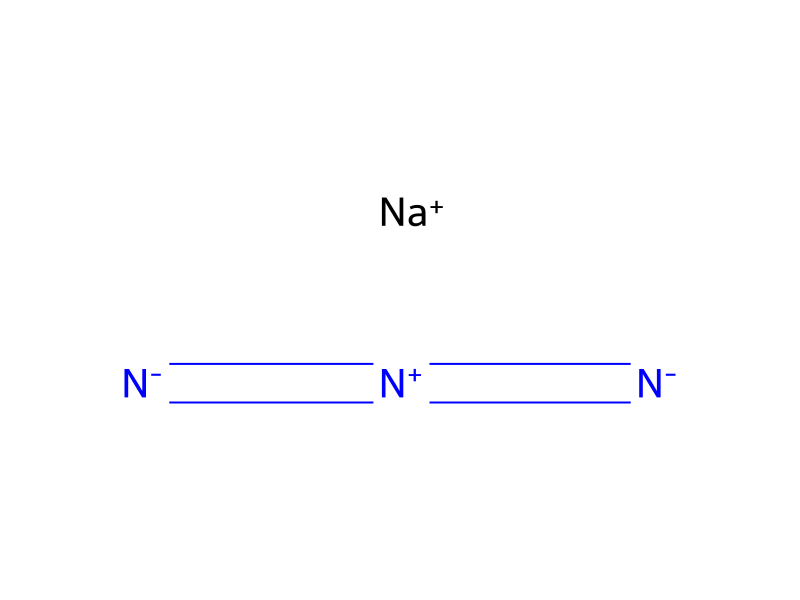
[Cl:1][C:2]1[CH:7]=[CH:6][C:5]([C:8]2[N:12]([C:13]3[CH:18]=[CH:17][C:16]([Cl:19])=[CH:15][C:14]=3[Cl:20])[N:11]=[C:10]([C:21]#[N:22])[C:9]=2[CH3:23])=[CH:4][CH:3]=1.[N-:24]=[N+:25]=[N-:26].[Na+].[Cl-].[NH4+]>CN(C)C=O>[Cl:1][C:2]1[CH:3]=[CH:4][C:5]([C:8]2[N:12]([C:13]3[CH:18]=[CH:17][C:16]([Cl:19])=[CH:15][C:14]=3[Cl:20])[N:11]=[C:10]([C:21]3[NH:26][N:25]=[N:24][N:22]=3)[C:9]=2[CH3:23])=[CH:6][CH:7]=1A mixture of 5-(4-chlorophenyl)-1-(2,4-dichlorophenyl)-4-methyl-1H-pyrazole-3-carbonitrile (500 mg, 1.39 mmol), sodium azide (1.08 g, 16.6 mmol) and ammonium chloride (890 mg, 16.6 mmol) dissolved in dimethylformamide (3 ml) was placed in a microwave synthesizer tube, and subjected to microwave irradiation in a Biotage® Initiator was set at 180° C. After 20 minutes, the mixture was quenched with water and extracted with ethyl acetate. The solvent of the extracted organic layer was evaporated off and the residue was purified by reverse phase preparative HPLC, to obtain 5-(5-(4-chlorophenyl)-1-(2,4-dichlorophenyl)-4-methyl-1H-pyrazol-3-yl)-1H-tetrazole (550 mg, 98%) as white solid.