Ammonium nitrate → 3-Amino-1-phenyl-1,5-dihydrobenzo[b][1,4] diazepine-2,4-dione
HRID 264030
反応式

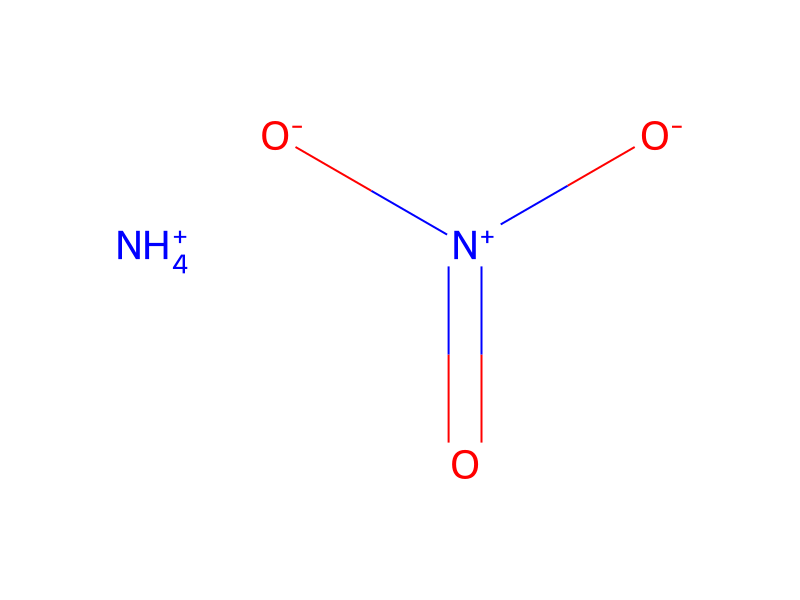
[NH2:1][CH:2]1[C:8](=[O:9])[N:7](CC2C=CC(OC)=CC=2)[C:6]2[CH:19]=[CH:20][CH:21]=[CH:22][C:5]=2[N:4]([C:23]2[CH:28]=[CH:27][CH:26]=[CH:25][CH:24]=2)[C:3]1=[O:29].[N+]([O-])([O-])=O.[NH4+]>C(#N)C.O>[NH2:1][CH:2]1[C:3](=[O:29])[N:4]([C:23]2[CH:28]=[CH:27][CH:26]=[CH:25][CH:24]=2)[C:5]2[CH:22]=[CH:21][CH:20]=[CH:19][C:6]=2[NH:7][C:8]1=[O:9]参加物
4


実験手順
To a stirred solution of 3-amino-1-(4-methoxybenzyl)-5-phenyl-1,5-dihydrobenzo [b] [1, 4] diazepine-2,4-dione (0.50 g) in acetonitrile/H2O (9:1, 12 ml) at ambient temperature was added cerric ammonium nitrate (1.84 g) portionwise over a ten minute period. The solution was stirred overnight at room temperature. The solution was concentrated in vacuo and the resultant solid partitioned between saturated aqueous potassium carbonate (40 ml) and ethanol (60 ml). The phases were separated and the aqueous phase extracted with ethanol (4×50 ml). The ethanol portions were combined, dried over sodium sulfate and concentrated in vacuo to a tan solid. This solid was extracted exhaustively with boiling CH2Cl2 (10×60 ml), the organics combined, dried over sodium sulfate, filtered and concentrated to give the title compound (0.30 g) as a tan solid. 1H (300 MHz, DMSO-d6): d 1.98 (br s, 2H), 4.08 (s, 1H), 6.86 (d, J=8.4 Hz, 1H), 7.11-7.46 (m, 8H), 10.78 (br s, 1H); 13C (75.429 MHz, DMSO-d6): d 56.98, 123.41, 126.22, 126.51, 127.34, 128.30, 128.89, 130.15, 132.29, 134.42, 142.36, 168.13, 169.39. MS (FAB): m/z=268.10 (MH+); TLC (CH2Cl2 /CH3OH,15:1): Rf =0.21.