反応式

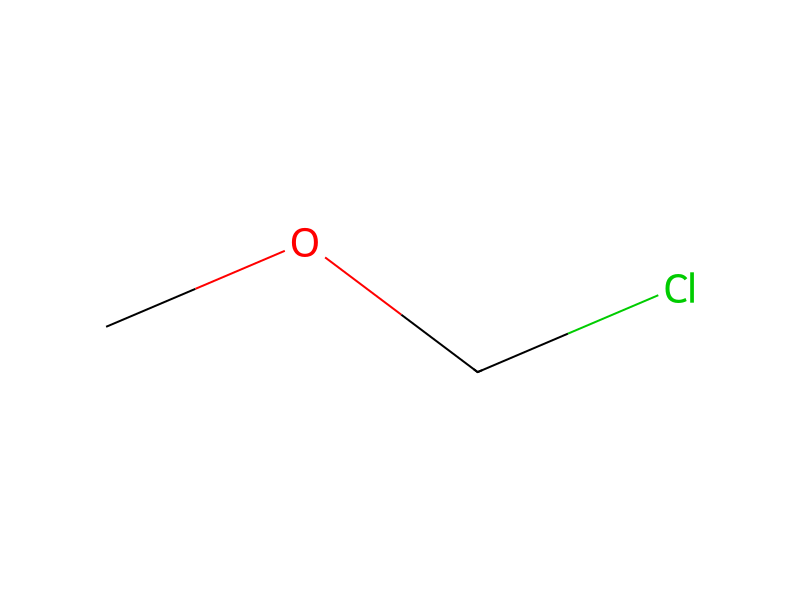
[C-]#[C-].[Li+:3].[Li+].C[O:6]CCl.BrC[C:11]1[C:12]([O:16]C)=NO[CH:15]=1.[C:18]1(C(C2C=CC=CC=2)OC2C(CI)=NSN=2)C=CC=C[CH:19]=1.C(=O)=O>O1CCCC1>[C:12]([OH:16])(=[O:6])[C:11]#[CH:15].[C-:18]#[C-:19].[Li+:3].[Li+:3]参加物




実験手順
Dibromoolefin intermediate XIX is then converted to ethynyl intermediate XX. Treatment of the dibromoolefin intermediate with about two equivalents of n-butyllithium produces the lithium acetylide XX, wherein R13 is Li. This transformation is typically carried out in a polar organic solvent, such as tetrahydrofuran, at a temperature of about -78° C. to about 25° C. The lithium acetylide is reacted with electrophiles, such as methoxymethyl chloride, bromomethyl-3-methoxyisoxazole, 3-diphenylmethoxy-4-iodomethyl-1,2,5-thiadiazole, carbon dioxide, tetrazole disulfide, and the like, to prepare the formula I compounds. In a typical example, the lithium acetylide is treated with solid CO2 at a temperature of about -78° C. to about -60° C. to produce propargylic acid intermediate XX wherein R13 is CO2H. This compound may be further modified as described herein.
後処理
- customthe like, to prepare the formula I compounds
出典と根拠
- ORDレコード
- ord-ce298877670641c59331bb92e48a1590
- 出典データセット
- uspto-grants-1997_07
- 特許番号
- US05648492
関連ノート
読み込み中…