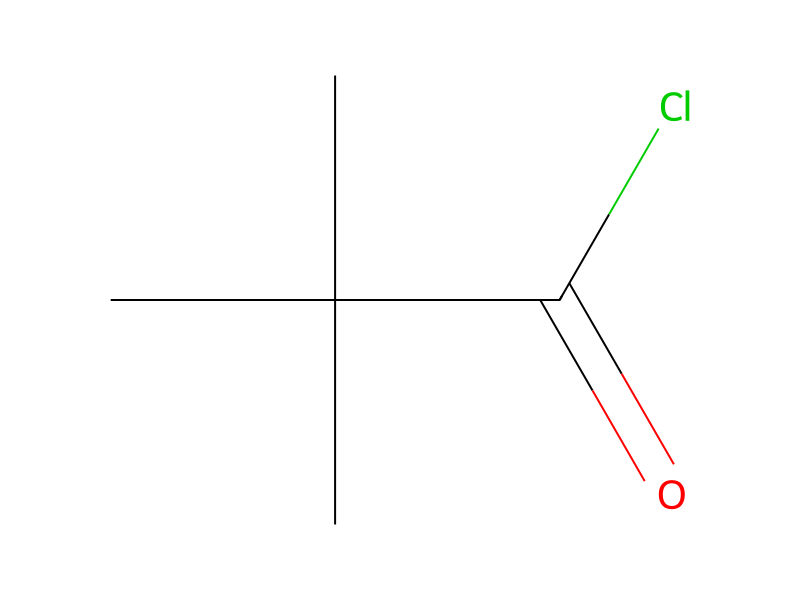
Dissolve 15.0 g. of dopamine hydrochloride in 200 ml. of pyridine. With stirring, add 28.8 g. of pivalyl chloride (α,α-dimethylpropionylchloride) portionwise over a 2-hour period at room temperature. Stir at room temperature overnight. Add methanol (200 ml.), water (75 ml.) and concentrated ammonium hydroxide solution (50 ml.) to the reaction mixture and allow the clear solution to stand for 5 hours at room temperature. Pour the solution into 2 liters of 2N-hydrochloric acid and ice with vigorous agitation. Extract the oily precipitate with ethyl acetate. Wash the extract with saturated aqueous sodium bicarbonate solution, dry over sodium sulfate and evaporate to a residue. Remove the last traces of ethyl acetate in vacuo and crystallize the product from a 9:1 toluene:ethanol mixture to obtain the title product m.p. 143.5°-146°C.