Dimethylformamide → t-Butyl 3-bromo-5-cyanobenzoate
反応式

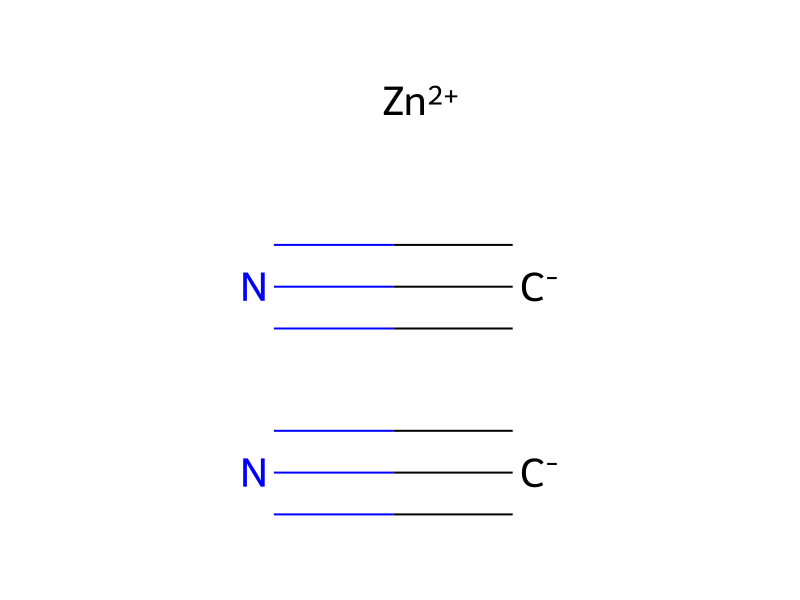
[Br:1][C:2]1[CH:3]=[C:4]([CH:12]=[C:13](I)[CH:14]=1)[C:5]([O:7][C:8]([CH3:11])([CH3:10])[CH3:9])=[O:6].[CH3:16][N:17](C)C=O>[C-]#N.[Zn+2].[C-]#N.C1C=CC([P]([Pd]([P](C2C=CC=CC=2)(C2C=CC=CC=2)C2C=CC=CC=2)([P](C2C=CC=CC=2)(C2C=CC=CC=2)C2C=CC=CC=2)[P](C2C=CC=CC=2)(C2C=CC=CC=2)C2C=CC=CC=2)(C2C=CC=CC=2)C2C=CC=CC=2)=CC=1>[Br:1][C:2]1[CH:3]=[C:4]([CH:12]=[C:13]([C:16]#[N:17])[CH:14]=1)[C:5]([O:7][C:8]([CH3:11])([CH3:10])[CH3:9])=[O:6]