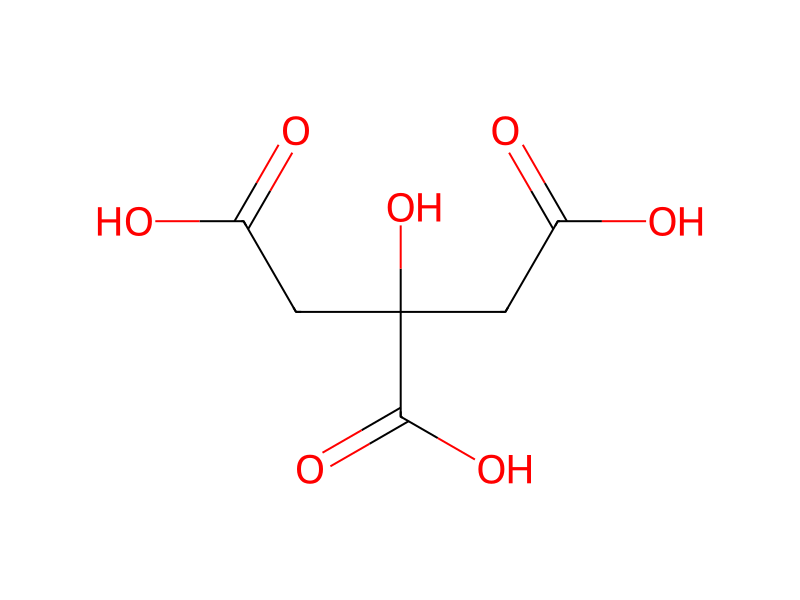
[Cl:1][C:2]1[CH:7]=[CH:6][C:5](OB(O)O)=[CH:4][CH:3]=1.Br[C:13]1[CH:14]=[C:15]([N+:20]([O-:22])=[O:21])[C:16]([OH:19])=[N:17][CH:18]=1.C([O-])([O-])=O.[Na+].[Na+].C(O)(=O)CC(CC(O)=O)(C(O)=O)O>CC(C)=O.O.C1C=CC(P(C2C=CC=CC=2)[C-]2C=CC=C2)=CC=1.C1C=CC(P(C2C=CC=CC=2)[C-]2C=CC=C2)=CC=1.Cl[Pd]Cl.[Fe+2]>[Cl:1][C:2]1[CH:7]=[CH:6][C:5]([C:13]2[CH:14]=[C:15]([N+:20]([O-:22])=[O:21])[C:16]([OH:19])=[N:17][CH:18]=2)=[CH:4][CH:3]=123.5 g (150 mmol) 4-chlorophenyl-boric acid are added under argon to a solution of 22.1 g (101 mmol) 5-bromo-3-nitro-pyridin-2-ol, 200 mL (400 mmol) of a 2 M Na2CO3 solution and 731 mg (1.00 mmol) Pd(dppf)Cl2 in 400 mL acetone and 80 mL water. The reaction mixture is stirred for 18 h at 60° C. Acetone is eliminated i.vac. and the residue is adjusted to pH 7 with 160 mL 1 M citric acid. The aqueous phase is extracted three times with EtOAc and once with MeOH. The organic phase is dried over MgSO4 and the solvent is eliminated i.vac. The residue is triturated with EtOAc.