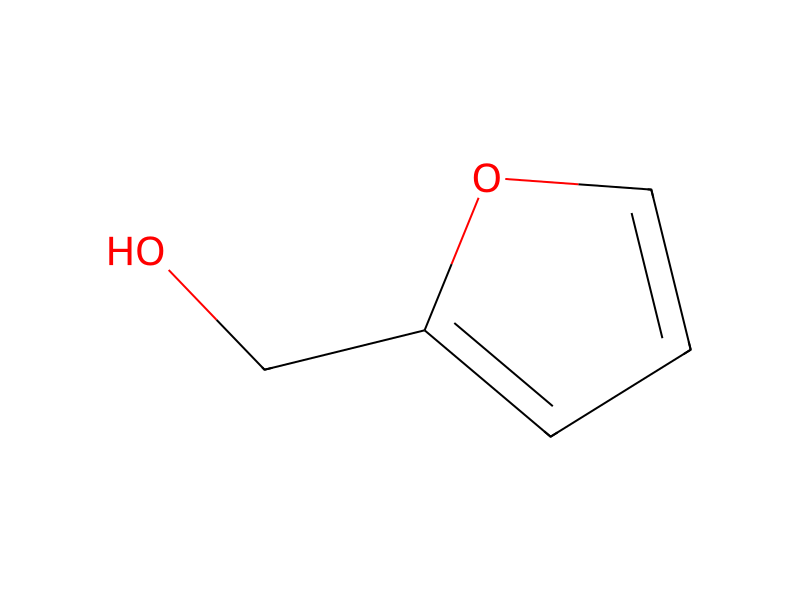
[O:1]1[CH:5]=[CH:4][CH:3]=[C:2]1[CH2:6][OH:7].[CH2:8]=O.Br.Br.[F:12][C:13]1[CH:18]=[CH:17][C:16]([CH2:19][N:20]2[C:24]3[CH:25]=[CH:26][CH:27]=[CH:28][C:23]=3[N:22]=[C:21]2[NH:29][CH:30]2[CH2:35][CH2:34][NH:33][CH2:32][CH2:31]2)=[CH:15][CH:14]=1>O>[F:12][C:13]1[CH:14]=[CH:15][C:16]([CH2:19][N:20]2[C:24]3[CH:25]=[CH:26][CH:27]=[CH:28][C:23]=3[N:22]=[C:21]2[NH2:29])=[CH:17][CH:18]=1.[F:12][C:13]1[CH:18]=[CH:17][C:16]([CH2:19][N:20]2[C:24]3[CH:25]=[CH:26][CH:27]=[CH:28][C:23]=3[N:22]=[C:21]2[NH:29][CH:30]2[CH2:31][CH2:32][N:33]([CH2:8][C:5]3[O:1][C:2]([CH2:6][OH:7])=[CH:3][CH:4]=3)[CH2:34][CH2:35]2)=[CH:15][CH:14]=1A mixture of 30 parts of 2-furanmethanol, 300 parts of a formaldehyde solution 4% in water and 145 parts of 1-[(4-fluorophenyl)-methyl]-N-(4-piperidinyl)-1H-benzimidazol-2-amine dihydrobromide was stirred at 3° C. The mixture was allowed to reach slowly room temperature and stirring was continued for 3 days at room temperature. The reaction mixture was alkalized and extracted with dichloromethane. The extract was dried, filtered and evaporated. The residue was purified by column chromatography over silica gel using first trichloromethane and then a mixture of trichloromethane and methanol (90:10 by volume) as eluent. The pure fractions were collected and the eluent was evaporated. The residue was converted into the (E)-2-butenedioate salt and the free base was liberated again in the conventional manner. It was crystallized from a mixture of 2-propanone and 2,2'-oxybispropane, yielding 57 parts (44%) of 5-[[4-[[1-[(4-fluorophenyl)methyl]-1H-benzimdazol-2-yl]amino]-1-piperidinyl]methyl]-2-furanmethanol; mp. 148.8° C. (compound 47).