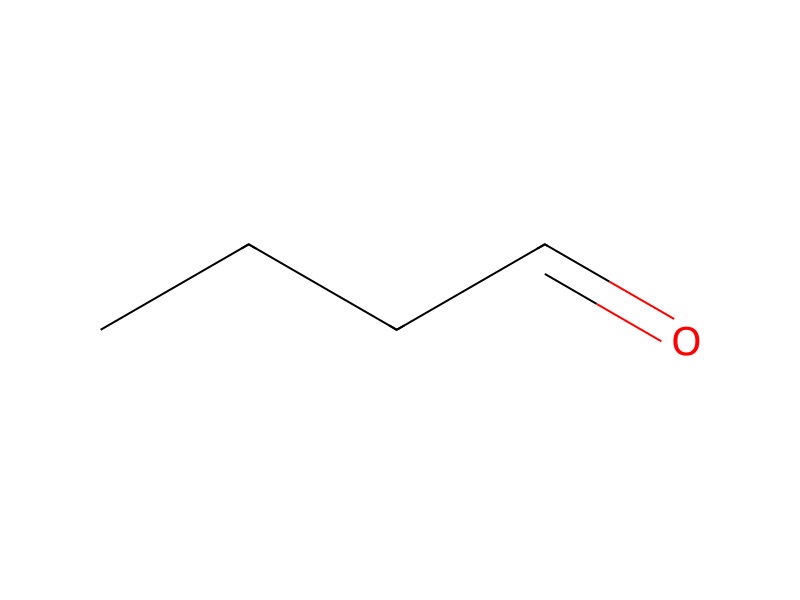
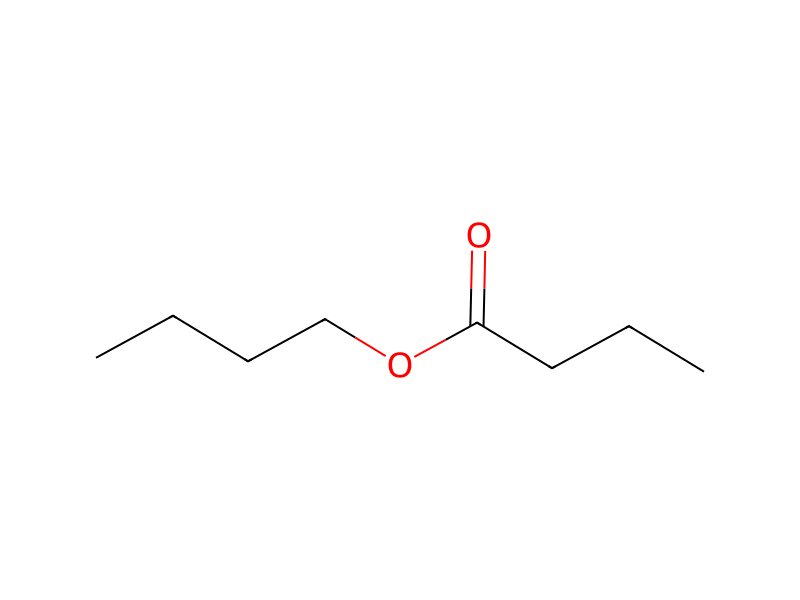
Butanal → Butyl butyrate
HRID 28234
反応式

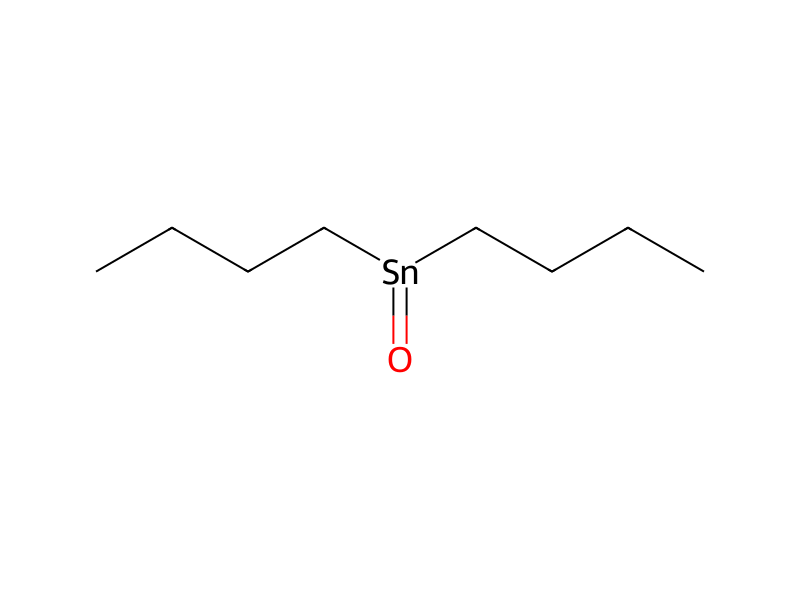
[Sn].[CH:2](=[O:6])[CH2:3][CH2:4][CH3:5].[CH2:7]([C:9](=CCCC)[CH:10]=[O:11])[CH3:8].C([Sn](=O)CCCC)CCC>>[CH2:2]([O:6][C:10](=[O:11])[CH2:9][CH2:7][CH3:8])[CH2:3][CH2:4][CH3:5]参加物
5


実験手順
Tin metal supported on silica gel is described as a vapor phase aldol catalyst by Swift, Bozik, and Massota, in Catalysis 15 407 (1969). Swift also describes the vapor phase reaction of n-butyraldehyde with tin metal supported on silica gel in U.S. Pat. No. 3,542,878. The product of the reaction is 2-ethylhexenal in 95 percent selectivity, at 40 percent n-butyraldehyde conversion. Japanese workers have described the simple Tischenko reaction of aldehydes in Japan Kokai No. 76/39,619 using dibutyltin oxide. The products claimed were simple esters, for example, n-butyraldehyde reacted in the presence of dibutyltin oxide to form butylbutyrate in approximately 45 percent yield. The catalyst and process described by this invention produce only traces of simple esters (less than 1 percent).