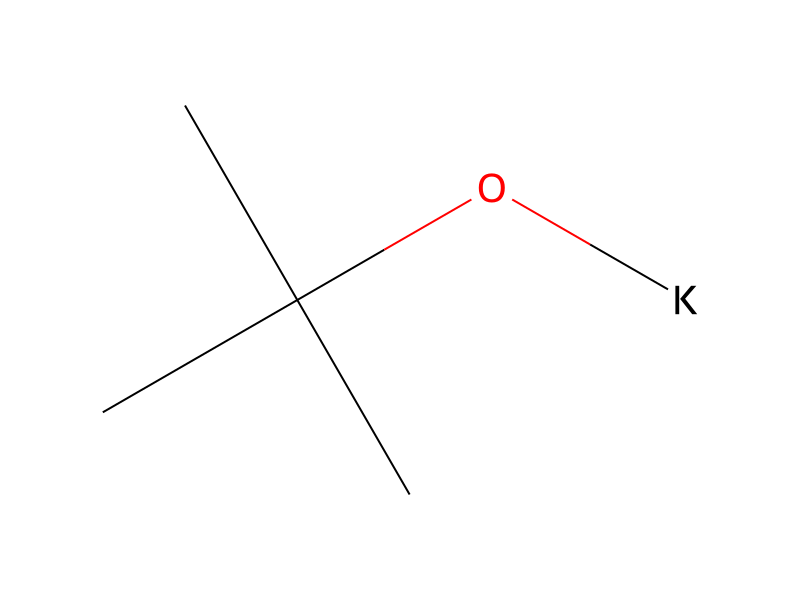
C(OC(=O)[CH2:5][CH:6]1[CH2:11][N:10]([CH2:12]C2C=CC=CC=2)[CH2:9][CH:8]([CH2:19][C:20]([O:22]CC)=O)[N:7]1[CH3:25])C.C(O)(C(F)(F)F)=[O:28].[C:34]([O:38][K])([CH3:37])([CH3:36])[CH3:35]>CO.C1(C)C=CC=CC=1>[C:34]([O:38][C:12]([N:10]1[CH2:11][CH:6]2[N:7]([CH3:25])[CH:8]([CH2:19][C:20](=[O:22])[CH2:5]2)[CH2:9]1)=[O:28])([CH3:37])([CH3:36])[CH3:35](4Benzyl-6-ethoxycarbonylmethyl-1-methylpiperazin-2-yl)acetic acid ethyl ester (Patent WO 92/05174) (71.0 g, 0.196 mol) was dissolved in MeOH (400 mL). TFA (77.8 mL, 1.02 mol) was added and the flask was purged with nitrogen. Pd/C (10%, 50% moisture, 3.6 g) was added. The flask was closed and purged with hydrogen (3×). After 1 day, the mixture was filtered through celite and washed with MeOH. The solvent was removed under reduced pressure and the foamy residue (92.7 g) was dried under high vacuum. A sol. of tBuOK (117.2 g, 1.04 mol) in toluene (3.07 L) was heated to reflux. A sol. of the crude piperazine formerly obtained, dissolved in THF (300 mL), was added dropwise over 50 min.