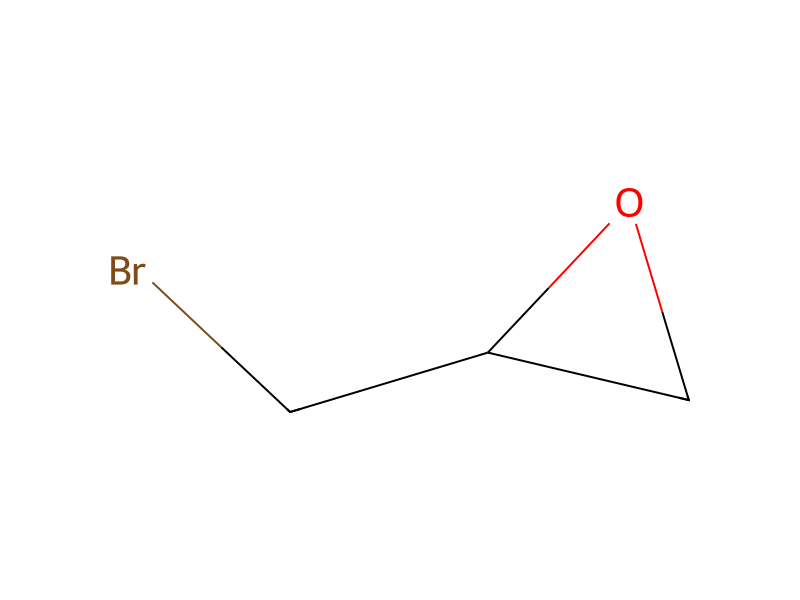
In a 10 mL Pyrex-glass vessel is mixed 3-(1H-indol-3-yl)acrylaldehyde (171 mg, 1 mmol), epibromohydrin (137 mg, 1 mmol), KOH (224 mg, 4 mmol) and anhydrous K2CO3 (553 mg, 4 mmol) in 1 mL DMF. This mixture is subjected to microwave irradiation at 350 W in successive 30 s periods, with 30 s periods at room temperature between each irradiation to avoid overheating the reaction. After the reaction has reached completion as monitored by TLC (5:1-hexanes:EtOAc) the reaction mixture is allowed to cool to room temperature and then is quenched by the addition of 10 mL 1M NaOH under vigorous stirring. The mixture is stirred for an additional 2 hrs, whereupon it is poured into 50 mL of ice-cold water. The precipitated solids are removed by filtration and washed 3×25 mL with water. The resulting solids are dried under vacuum and then recrystallized from ethanol to afford colorless crystals.