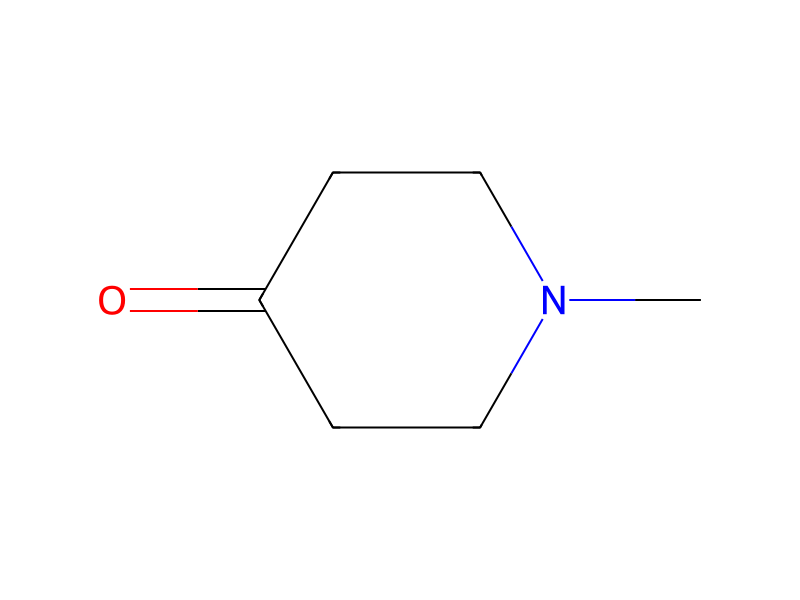
1-Methyl-4-piperidone → 1-methyl-4-(2-trityl-2,3-dihydro-1H-isoindol-5-yl)-piperidin-4-ol
HRID 334969
反応式

Br[C:2]1[CH:3]=[C:4]2[C:8](=[CH:9][CH:10]=1)[CH2:7][N:6]([C:11]([C:24]1[CH:29]=[CH:28][CH:27]=[CH:26][CH:25]=1)([C:18]1[CH:23]=[CH:22][CH:21]=[CH:20][CH:19]=1)[C:12]1[CH:17]=[CH:16][CH:15]=[CH:14][CH:13]=1)[CH2:5]2.C([Li])CCC.[CH3:35][N:36]1[CH2:41][CH2:40][C:39](=[O:42])[CH2:38][CH2:37]1>C1COCC1>[CH3:35][N:36]1[CH2:41][CH2:40][C:39]([C:2]2[CH:3]=[C:4]3[C:8](=[CH:9][CH:10]=2)[CH2:7][N:6]([C:11]([C:24]2[CH:29]=[CH:28][CH:27]=[CH:26][CH:25]=2)([C:18]2[CH:19]=[CH:20][CH:21]=[CH:22][CH:23]=2)[C:12]2[CH:17]=[CH:16][CH:15]=[CH:14][CH:13]=2)[CH2:5]3)([OH:42])[CH2:38][CH2:37]1参加物
5




実験手順
Under nitrogen, a solution of 5-bromo-2-trityl-2,3-dihydro-1H-isoindole (2.03 g, 4.6 mmol) in THF (20 mL) was cooled to −78° C. n-Butyllithium solution (2.5M in hexanes, 2.0 mL, 5 mmol) was added over 5 minutes, then after 10 minutes, 1-methyl-4-piperidone was added dropwise. After a further hour, the cooling bath was removed and the reaction quenched with sodium bicarbonate solution. The mixture was extracted with ethyl acetate then the organic phase was washed with brine, dried (MgSO4) and concentrated. The residue was purified by flash chromatography on silica (gradient elution with 2M methanolic ammonia/dichloromethane, 0% to 5%) to afford 1-methyl-4-(2-trityl-2,3-dihydro-1H-isoindol-5-yl)-piperidin-4-ol as a pink foam (1.25 g, 57%). 1H NMR (MeOH-d4) 7.56 (6H, dd), 7.28 (6H, t), 7.25-7.21 (2H, m), 7.15 (3H, t), 7.03 (1H, d), 3.92 (2H, s), 3.91 (2H, s), 2.70 (2H, d), 2.53 (2H, td), 2.33 (3H, s), 2.06 (2H, td), 1.70 (2H, d). MS: [M+H]+ 475.