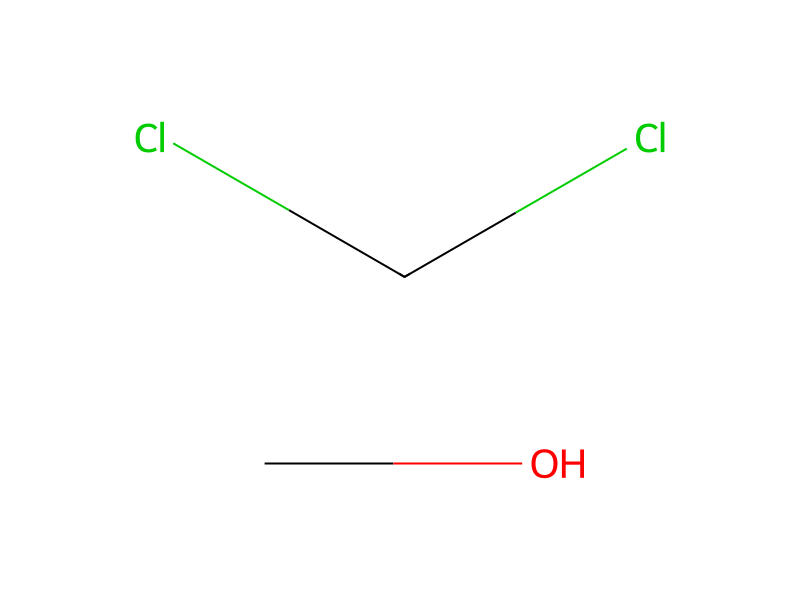
[CH3:1][N:2]1[C:7](=[O:8])[C:6]([C:9]2[CH:18]=[CH:17][C:16]3[C:11](=[CH:12][CH:13]=[CH:14][CH:15]=3)[CH:10]=2)=[C:5]([C:19]2[CH:24]=[CH:23][N:22]=[CH:21][CH:20]=2)[N:4]=[C:3]1SC.C(Cl)Cl.C[OH:31].Cl>O1CCOCC1.[OH-].[Na+]>[OH:31][C:3]1[N:2]([CH3:1])[C:7](=[O:8])[C:6]([C:9]2[CH:18]=[CH:17][C:16]3[C:11](=[CH:12][CH:13]=[CH:14][CH:15]=3)[CH:10]=2)=[C:5]([C:19]2[CH:24]=[CH:23][N:22]=[CH:21][CH:20]=2)[N:4]=1A suspension of 3-methyl-2-methylsulfanyl-5-naphthalen-2-yl-6-pyridin-4-yl-3H-pyrimidin-4-one (10.1 g, 28.1 mmol) was heated to 100° C. in 100 mL 1,4-dioxane and 60 mL 2.5M sodium hydroxide. After 7 h, TLC (95:5 DCM/MeOH) shows the solution to have no remaining starting material. The reaction was cooled to room temperature and acidified to pH 5 with 5M HCl. The resulting precipitate was collected by filtration, and then suspended in 100 mL hot methanol. The solid was cooled to room temperature then collected by filtration and washed with 100 mL diethylether. The product was air dried overnight to give a pale yellow solid. M+1=330.2.