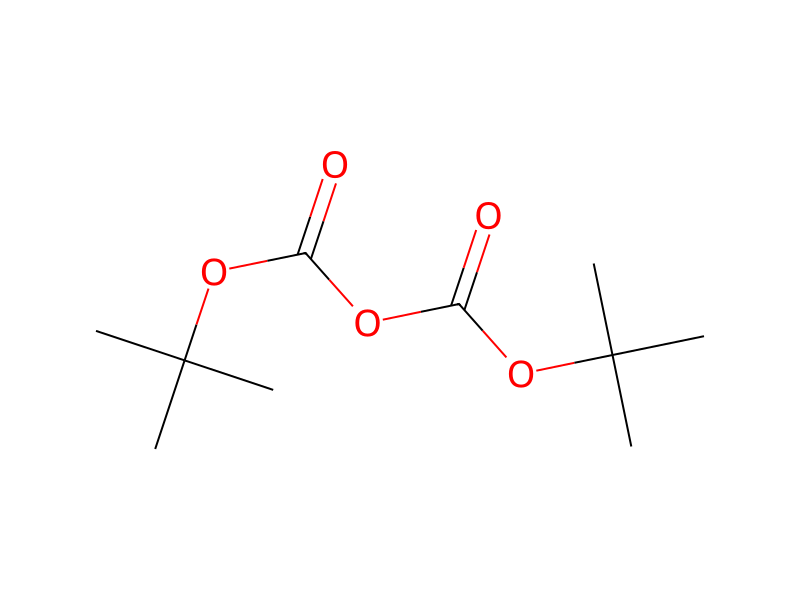
A solution of 4-bromobenzylbromide 119 (0.30 g, 1.20 mmol) and amine 113 (0.272 g, 2.40 mmol, 2.0 equiv) in anhydrous DMF (8.0 mL) was treated with diisopropylethylamine (Hunig's base, 2.0 mL) at room temperature. The resulting reaction mixture was warmed to 60° C. for 24 h. When TLC and HPLC showed the reaction was complete, the reaction mixture was cooled to 25° C. before being treated with water (8.0 mL). The resulting aqueous solution was then treated with solid sodium bicarbonate (NaHCO3, 0.30 g, 3.60 mmol, 3.0 equiv) and BOC2O (0.524 g, 2.40 mmol, 2.0 equiv) at 25° C. and stirred for 24 h. When TLC and HPLC/MS showed the reaction was complete, the reaction mixture was treated with water (20 mL) and EtOAc, 20 mL. The two layers were separated, and the aqueous layer was extracted with EtOAc (2×30 mL). The combined organic extracts were washed with H2O (4×10 mL) and saturated aqueous NaCl (10 mL), dried over MgSO4, and concentrated in vacuo. The residue was purified by column chromatography (3% EtOAc/hexanes) to afford the desired (4-bromo-benzyl)-(3-fluoro-propyl)-carbamic acid tert-butyl ester 115 (0.24 g, 57.8% yield) as a colorless oil.