Imidazole → 1-Butanol, 4-[[(1,1-dimethylethyl)diphenylsilyl]oxy]-
HRID 348761
反応式

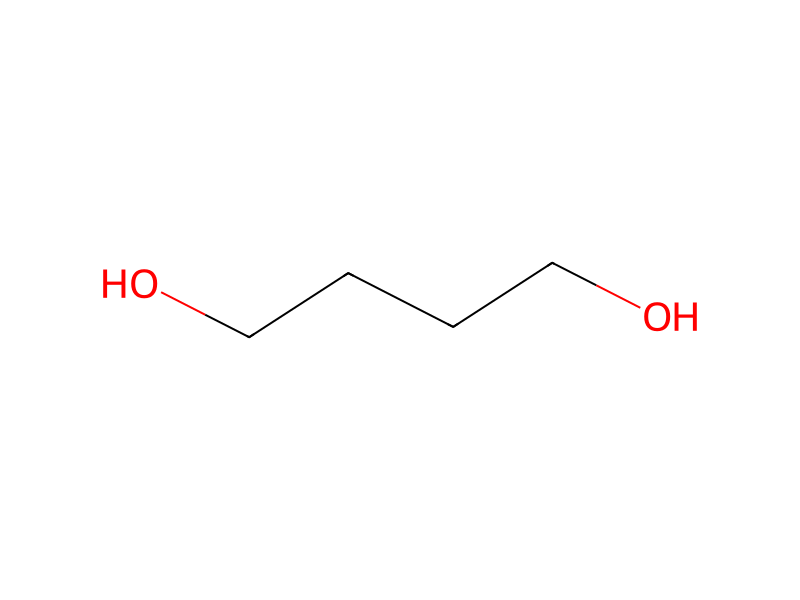
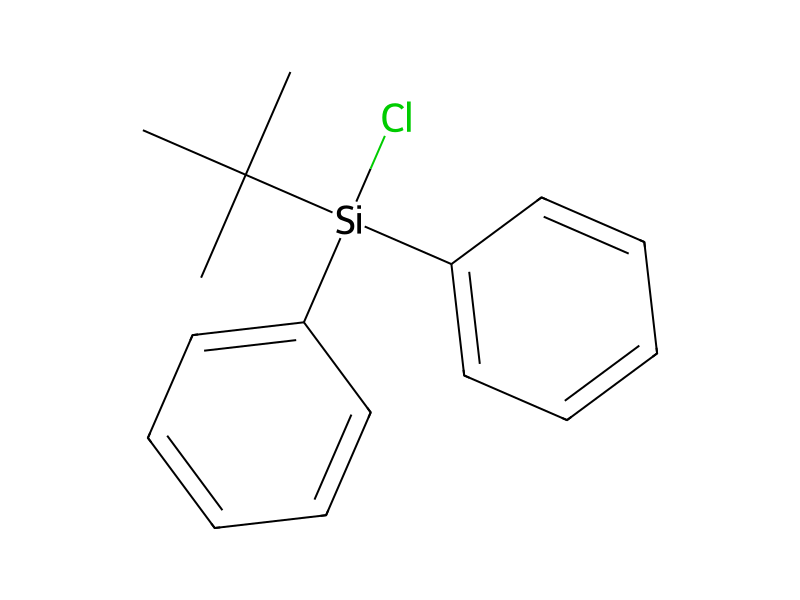
[CH2:1]([OH:6])[CH2:2][CH2:3][CH2:4][OH:5].N1C=CN=C1.[C:12]([Si:16]([C:24]1[CH:29]=[CH:28][CH:27]=[CH:26][CH:25]=1)([C:18]1[CH:23]=[CH:22][CH:21]=[CH:20][CH:19]=1)Cl)([CH3:15])([CH3:14])[CH3:13]>CN(C=O)C>[Si:16]([O:5][CH2:4][CH2:3][CH2:2][CH2:1][OH:6])([C:12]([CH3:15])([CH3:14])[CH3:13])([C:24]1[CH:25]=[CH:26][CH:27]=[CH:28][CH:29]=1)[C:18]1[CH:23]=[CH:22][CH:21]=[CH:20][CH:19]=1参加物
5



実験手順
Commercially available 1,4-butanediol (400 g) was dissolved in DMF (120 ml), added with imidazole (3.02 g) and t-butyldiphenylchlorosilane (12.2 g), and stirred at room temperature for 15 hours. The reaction solution was concentrated under reduced pressure and then added with a saturated aqueous ammonium chloride solution, followed by separation/extraction with chloroform. The organic layer was washed with saturated saline solution and dried with anhydrous sodium sulfate, followed by concentration under reduced pressure. The residue was purified through silica gel column chromatography (hexane/ethyl acetate), thereby obtaining the subject compound (6.56 g) as a transparent and colorless oily substance.