反応式

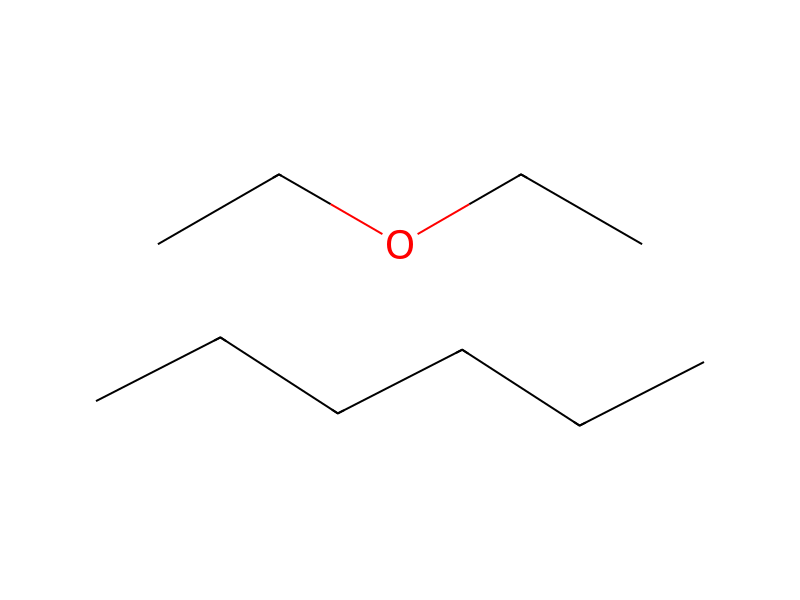
[N+:1]([C:4]1[CH:9]=[CH:8][C:7]([C:10]23[CH2:16][C:14]([C:17]4[CH:22]=[CH:21][CH:20]=[CH:19][CH:18]=4)([CH2:15]2)[C:13](=[O:23])[N:12]([CH2:24][CH2:25][CH3:26])[C:11]3=[O:27])=[CH:6][CH:5]=1)([O-])=O.CCCCCC.CCOCC>C(OCC)(=O)C.[Pd]>[NH2:1][C:4]1[CH:9]=[CH:8][C:7]([C:10]23[CH2:15][C:14]([C:17]4[CH:22]=[CH:21][CH:20]=[CH:19][CH:18]=4)([CH2:16]2)[C:13](=[O:23])[N:12]([CH2:24][CH2:25][CH3:26])[C:11]3=[O:27])=[CH:6][CH:5]=1参加物
5




実験手順
In a manner analogous to that described in Example 12a, 1.8 g of 1-(4-nitrophenyl)-5-phenyl-3-n-propyl-3-azabicyclo[3.1.1]heptane-2,4-dione are dissolved in 40 ml of ethyl acetate, hydrogenated in the presence of 0.2 g of 5% palladium-on-carbon and worked up. Melting point 144°-145° (from n-hexane/ether).
出典と根拠
- ORDレコード
- ord-b4153e745c30420c892ee1a30fabf655
- 出典データセット
- uspto-grants-1988_08
- 特許番号
- US04764640
関連ノート
読み込み中…