Sodium Hydroxide → (2S)-2-Ethoxy-3-(4-hydroxyphenyl)propanoic acid
HRID 351510
反応式

[CH2:1]([O:3][CH:4]([CH2:10][C:11]1[CH:16]=[CH:15][C:14]([OH:17])=[CH:13][CH:12]=1)[C:5]([O:7]CC)=[O:6])[CH3:2].[OH-].[Na+]>P([O-])([O-])([O-])=O>[CH2:1]([O:3][C@@H:4]([CH2:10][C:11]1[CH:12]=[CH:13][C:14]([OH:17])=[CH:15][CH:16]=1)[C:5]([OH:7])=[O:6])[CH3:2]参加物
4



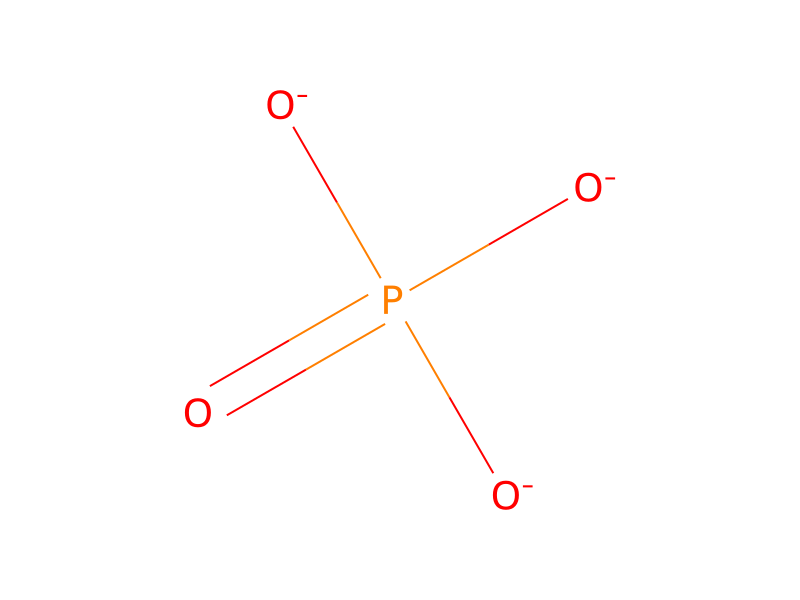
実験手順
Ethyl (2R/S) (+/−) 2-ethoxy-3-(4-hydroxyphenyl)propanoate (5 g) was added to an aqueous 0.1 M phosphate buffer pH 7 (10 ml). 100 mg of the lyophilised hydrolytic enzyme mixture from Aspergillus oryzae was added and the mixture was stirred for 18 hours at room temperature. During that time, the pH of the reaction mixture was kept constant at pH=6-8 by addition of NaOH. Most of the water was evaporated in vacuo. Methanol was added to the remaining slurry in order to stop the hydrolysis. The precipitate, which formed was filtered off and the methanol was evaporated in vacuo. The remaining oil was dissolved in water followed by extraction of unreacted ester with TMBE (CCE method 2: eeester=87%). The water phase was acidified to pH=3 and the acid extracted with TMBE. After drying over Na2SO4 and evaporation of the TMBE, 1.8 g (2S)-2-Ethoxy-3-(4-hydroxyphenyl)propanoic acid was obtained as an oil, which crystallized on standing (m.p.=105° C., CCE method 2: eeacid=>99%).