Sulfuric Acid → 5-(2-Chloro-5-trifluoromethylphenoxy)-2-nitrobenzoic acid
反応式

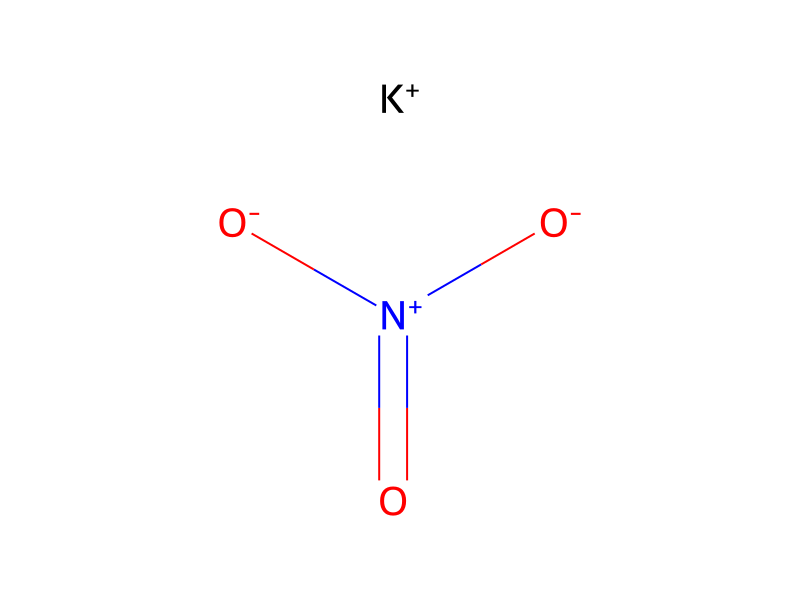
[Cl:1][C:2]1[CH:17]=[CH:16][C:15]([C:18]([F:21])([F:20])[F:19])=[CH:14][C:3]=1[O:4][C:5]1[CH:6]=[C:7]([CH:11]=[CH:12][CH:13]=1)[C:8]([OH:10])=[O:9].S(=O)(=O)(O)O.[N+:27]([O-])([O-:29])=[O:28].[K+]>ClCCCl>[Cl:1][C:2]1[CH:17]=[CH:16][C:15]([C:18]([F:20])([F:19])[F:21])=[CH:14][C:3]=1[O:4][C:5]1[CH:13]=[CH:12][C:11]([N+:27]([O-:29])=[O:28])=[C:7]([CH:6]=1)[C:8]([OH:10])=[O:9]参加物
5




実験手順
The acid from (b) (2.0 g) was added to a mixture of concentrated sulphuric acid (15 ml) and 1,2-dichloroethane (10 ml) kept at 0°. Potassium nitrate (1.2 g) was then added in portions with stirring over a period of 30 minutes, keeping the temperature at 0°. The mixture was stirred for a further hour at 0° and then for 3 hours at room temperature. The mixture was then poured on to ice and extracted with ethyl acetate. The extract was washed with water, dried, and evaporated to give a dark gum. This was extracted several times with boiling cyclohexane. The residue crystallised on cooling and was identified as the required nitro-acid, with a melting point of 147°-148°.