反応式
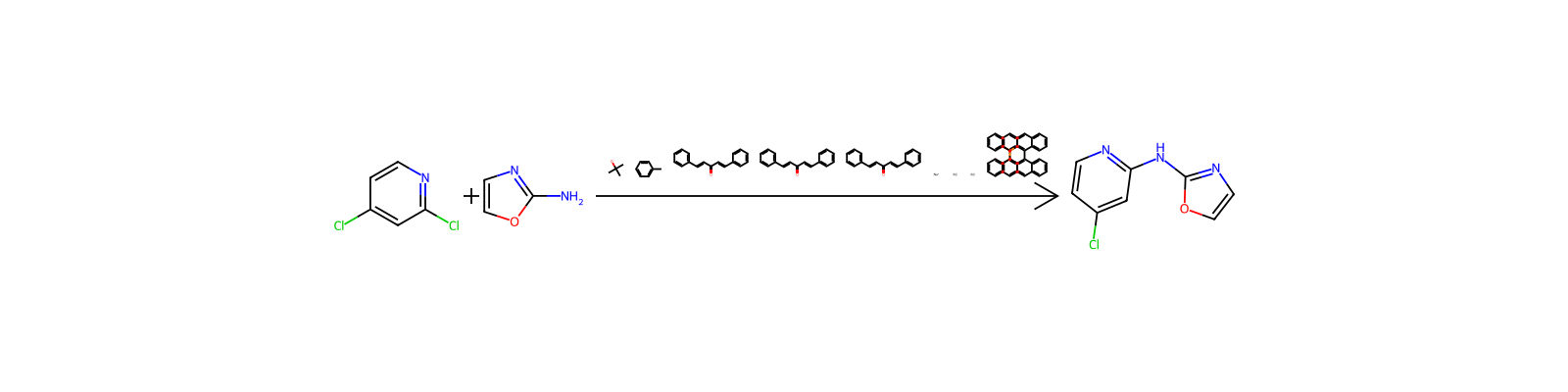
Clc1ccnc(Cl)c1.Nc1ncco1>CC(C)(C)[O-].Cc1ccccc1.O=C(/C=C/c1ccccc1)/C=C/c1ccccc1.O=C(/C=C/c1ccccc1)/C=C/c1ccccc1.O=C(/C=C/c1ccccc1)/C=C/c1ccccc1.[Na+].[Pd].[Pd].c1ccc(P(c2ccccc2)c2ccc3ccccc3c2-c2c(P(c3ccccc3)c3ccccc3)ccc3ccccc23)cc1>Clc1ccnc(Nc2ncco2)c1参加物
7




反応条件
- 温度
- 100 °C
実験手順
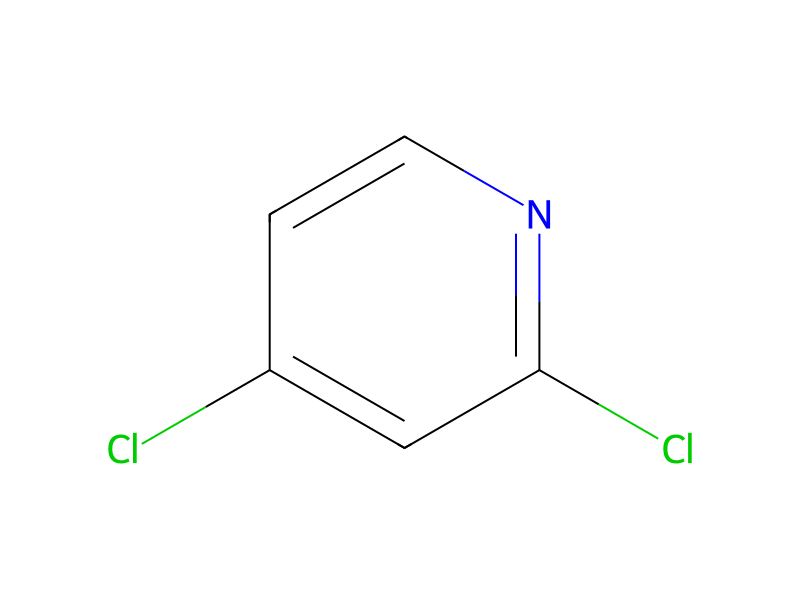
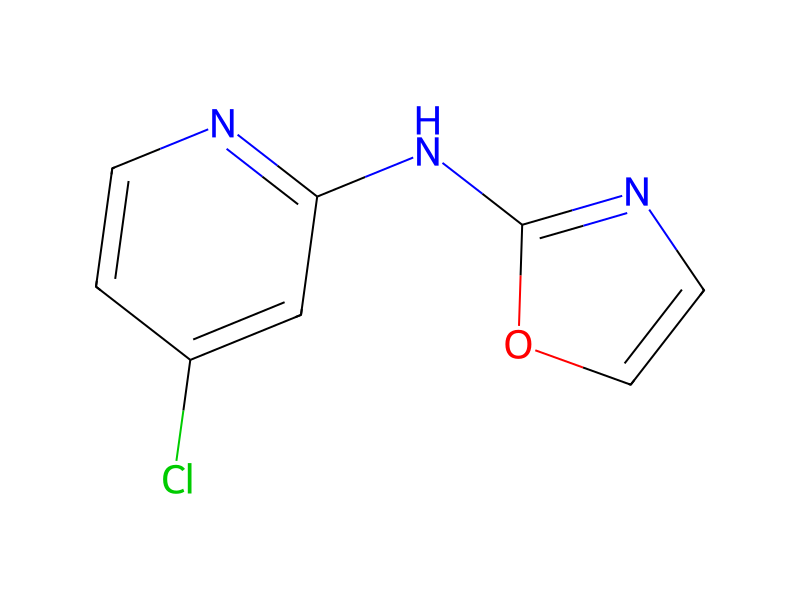
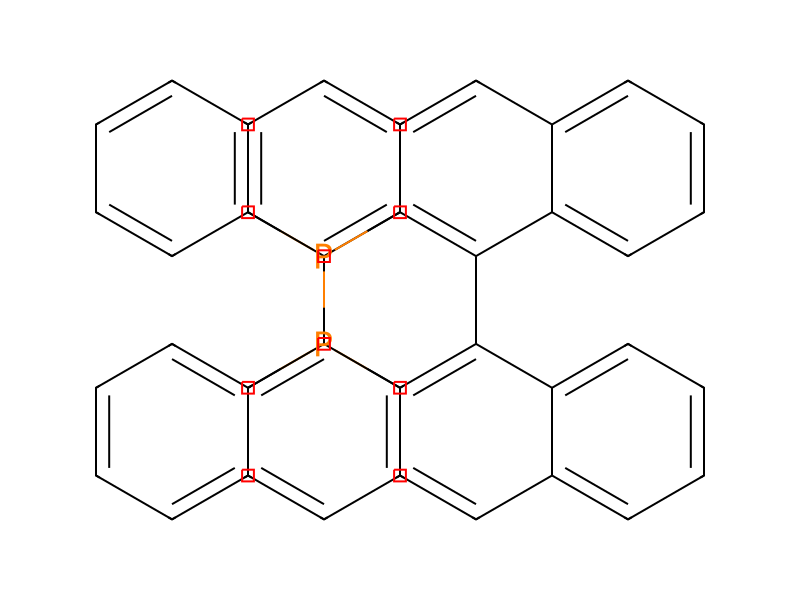
To a vial containing oxazol-2-amine (102 mg, 1.22 mmol), , TRIS(DIBENZYLIDENEACETONE)DIPALLADIUM(0) (9.28 mg, 10.14 µmol), 2,2'-bis(diphenylphosphino)-1,1'-binaphthyl (9.47 mg, 0.02 mmol) and sodium 2-methylpropan-2-olate (136 mg, 1.42 mmol), was added degassed toluene (4 mL) and 2,4-dichloropyridine (0.109 ml, 1.01 mmol) and the reaction mixture was heated to 100 degrees C for 20 h. None of the desired product was observed by LCMS or in crude proton NMR. **It is of note that although the 2,4-dichloropyridine is present in the crude proton NMR, the oxazole-2-amine is not**. It is possible that under the strongly basic reaction conditions that this starting material decomposed. Product not isolated.
出典と根拠
- ORDレコード
- ord-4ba5714524f04061a19a2e24cddcf117
- 出典データセット
- 750 AstraZeneca ELN dataset
- 元リンク
- 出典を表示
関連ノート
読み込み中…