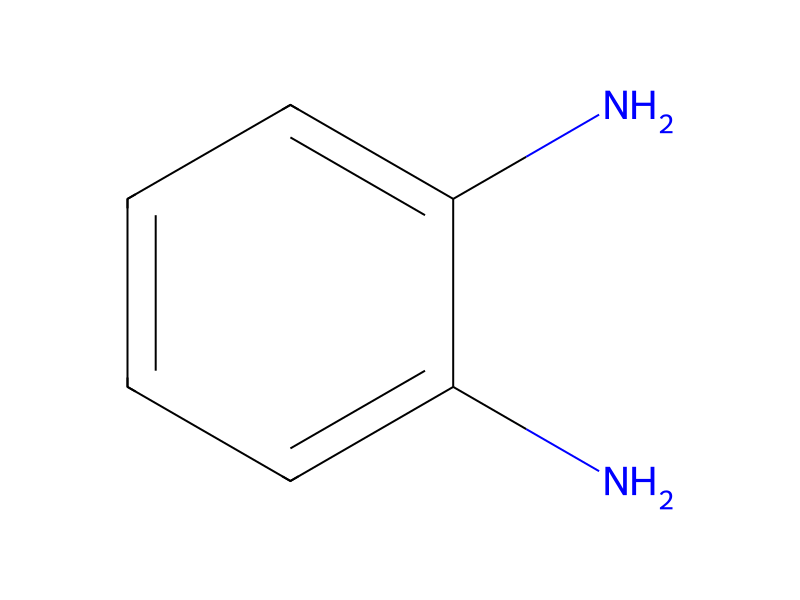
One stirs ortho-phenylenediamine (1.30 g, 12.0 mmol) and 4,4-dimethyl-1,2,3,4-tetrahydro-2-oxo-7-quinolinecarboxylic acid (2.60 g, 12.0 mmol; preparation see DE-A-3,818,830) in a mixture of polyphosphoric acid (50 g) and diphosphorus pentoxide (10 g) for 3 hours at 160° C. One allows to cool to 80°-90° C., carefully adds ice and water thereto and filters off the precipitate with suction. One takes up in water (200 ml), adds conc. ammonia thereto, filters off with suction, dissolves the residue in hot ethanol, filters and allows to crystallise. One dries the colourless crystals at 120° C. in a vacuum and obtains 1.30 g (37%) of the title compound with the m.p. 314°-316° C. which, per mole, still has adhering a half mol of water.