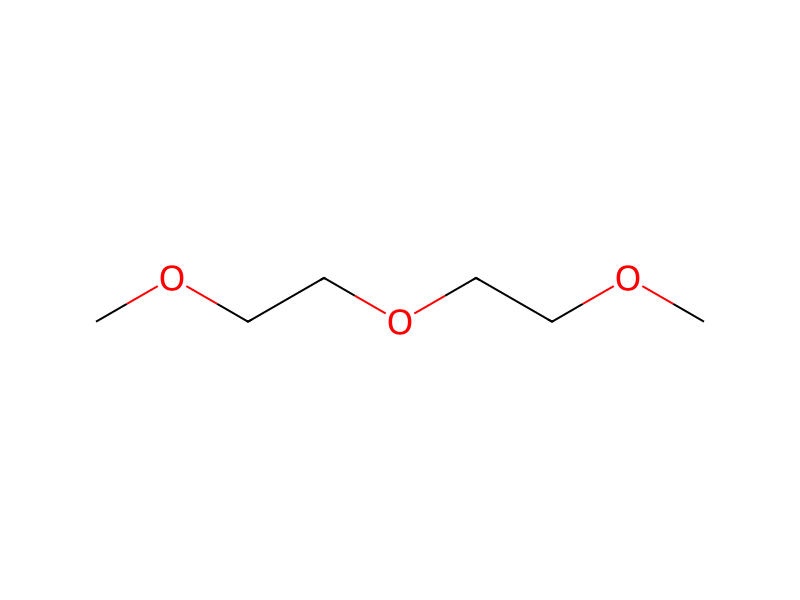
2-Difluoromethoxy-4-hydroxypyridine (123 g, 0.764 mol), 3-chloro-5-methoxypyridazine (110.47 g, 0.764 mol), potassium carbonate (211.18 g, 1.53 mol), CuBr (54.80 g, 0.382 mol) and 18-crown-6 (1 g) were mechanically stirred under nitrogen in diglyme (1.28 L) at 100° C. for 30 h. The mixture was cooled to RT and partitioned between ethyl acetate and 2 L of 3% HCl. The layers were separated. The aqueous layer was then adjusted to pH--1 with conc. HCl and extracted twice with additional ethyl acetate. The combined organics were filtered through silica gel and then extracted twice with 1.5 N NaOH. Solids were formed which were removed by filtering the organic layer through silica gel and celite. The organic layer was dried (MgSO4), filtered through silica gel and evaporated in-vacuo. The residue was triturated with ethyl acetate and filtered to give pure 3-[[2-(difluoromethoxy)-4-pyridinyl]oxy]-5-methoxypyridazine (92.5 g, 45% yield) as a light brown solid, mp=119° C. -120.5° C.