Dihydrotestosterone → 3beta-Amino-17beta-hydroxy-5alpha-androstane
HRID 375671
反応式

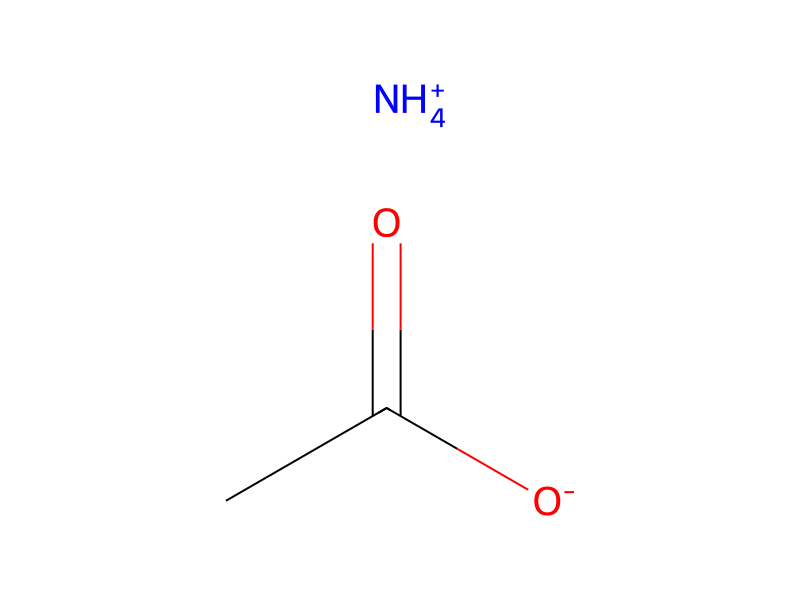
[OH:1][C@H:2]1[CH2:7][CH2:6][C@H:5]2[C@H:8]3[C@H:18]([CH2:19][CH2:20][C@:3]12[CH3:4])[C@:16]1([CH3:17])[C@H:11]([CH2:12][C:13](=O)[CH2:14][CH2:15]1)[CH2:10][CH2:9]3.C([O-])(=O)C.[NH4+].C([BH3-])#[N:28].[Na+]>CO>[NH2:28][C@H:13]1[CH2:14][CH2:15][C@@:16]2([CH3:17])[C@@H:11]([CH2:10][CH2:9][C@@H:8]3[C@@H:18]2[CH2:19][CH2:20][C@@:3]2([CH3:4])[C@H:5]3[CH2:6][CH2:7][C@@H:2]2[OH:1])[CH2:12]1参加物
5




実験手順
3β-Amino-17β-hydroxy-5α-androstane was prepared by the procedure of Boutigue et al. (1973, Bull. Soc. Chim. France 750-753). 17β-Hydroxy-5α-androstan-3-one (403 mg, 1.39 mmol) (Aldrich Chemical Company) was added to 862 mg of ammonium acetate (11.2 mmol, 8.06 equiv.) in 16.0 mL dry methanol (MeOH), followed by 104 mg (1.65 mmol, 1.19 equiv.) of sodium cyanoborohydride. After stirring at room temperature for 15 h, the reaction was concentrated under reduced pressure. The residue was partitioned between methylene chloride and aqueous 1N sodium hydroxide (NaOH), shaken, and separated. The organic layer was washed with water, dried over sodium sulfate, filtered, and concentrated under reduced pressure. The product was used without further purification.