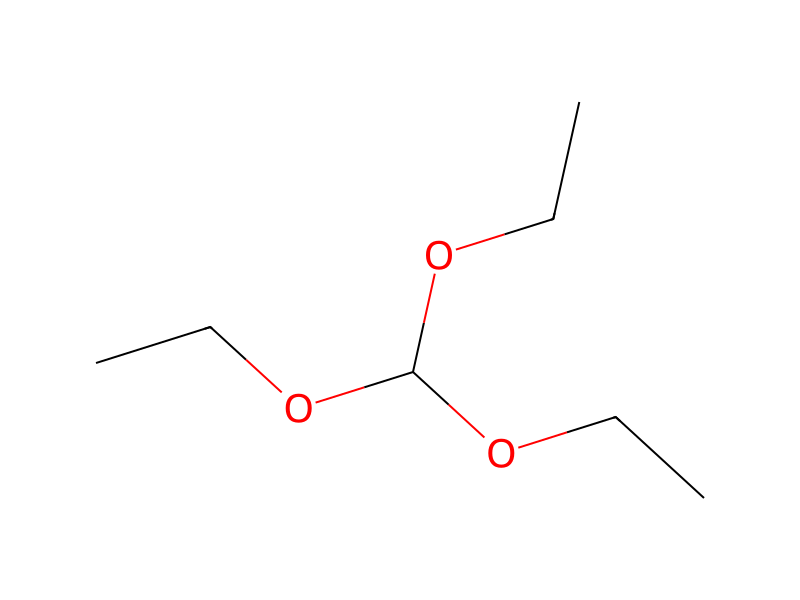
[NH2:1][C:2]1[CH:24]=[CH:23][C:5]2[N:6]([C:17]3[CH:22]=[CH:21][CH:20]=[CH:19][N:18]=3)[C:7](/[CH:9]=[CH:10]/[C:11]3[CH:16]=[CH:15][CH:14]=[CH:13][CH:12]=3)=[N:8][C:4]=2[CH:3]=1.[CH:25](OCC)(OCC)OCC.[BH4-].[Na+].C(=O)(O)[O-].[Na+].[ClH:42]>C(O)C.CO>[ClH:42].[CH3:25][NH:1][C:2]1[CH:24]=[CH:23][C:5]2[N:6]([C:17]3[CH:22]=[CH:21][CH:20]=[CH:19][N:18]=3)[C:7](/[CH:9]=[CH:10]/[C:11]3[CH:16]=[CH:15][CH:14]=[CH:13][CH:12]=3)=[N:8][C:4]=2[CH:3]=1A mixture of (E)-5-amino-1-(2-pyridyl)-2-styryl-1H-benzimidazole (300 mg, 0.96 mmol) and triethyl orthoformate (3 ml) was refluxed with stirring for 6 h. Excess solvent was removed in vacuo and obtained solids were dissolved in ethanol (5 ml). Sodium borohydride (45 mg, 1.2 mmol) was added to this solution in one portion at 0° C. and the reaction mixture was stirred for 2 h at room temperature. The reaction mixture was poured into saturated aqueous sodium bicarbonate solution (50 ml) and the aqueous mixture was extracted with ethyl acetate (100 ml). The organic extract was washed consecutively with water (50 ml) and brine (50 ml), dried (sodium sulfate) and concentrated in vacuo. The residue was purified by column chromatography (silica gel, 100 g; n-hexane/ethyl acetate (1/1)) to give a brown oil. Then, it was dissolved with a 10% methanol solution of hydrogen chloride (5 ml). Volatiles were removed under reduced pressure and the residue was recrystallized from ethanol to afford 151 mg (43%) of the titled compound as yellow solids.