反応式

[CH2:1]([OH:10])[C@@H:2]([C@H:4]([C@@H:6]([CH2:8][OH:9])[OH:7])[OH:5])[OH:3].[O:11]=[CH:12][C@@H:13]([C@H:15]([C@@H:17]([C@@H:19]([CH2:21][OH:22])[OH:20])[OH:18])[OH:16])[OH:14]>>[CH2:1]([OH:10])[C@@H:2]([C@H:4]([C@@H:6]([CH2:8][OH:9])[OH:7])[OH:5])[OH:3].[OH:11][CH2:12][C:13]([C@H:15]([C@@H:17]([CH2:19][OH:20])[OH:18])[OH:16])=[O:14].[O:11]=[CH:12][C@@H:13]([C@H:15]([C@@H:17]([C@@H:19]([CH2:21][OH:22])[OH:20])[OH:18])[OH:16])[OH:14]参加物
5

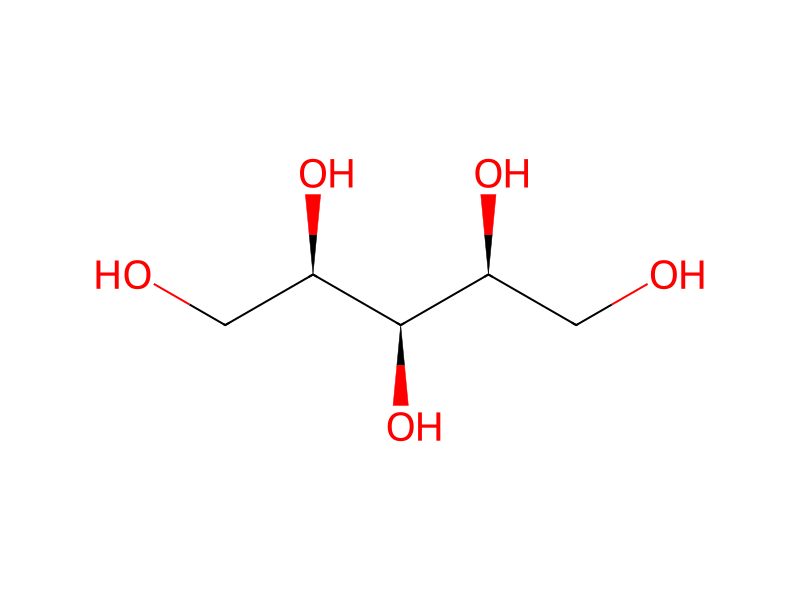
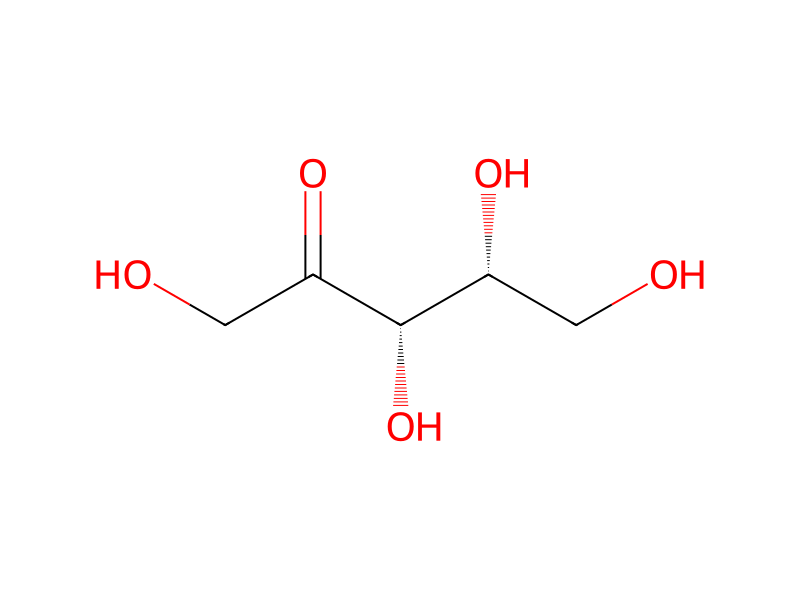
実験手順
Ajinomoto has also described methods of producing xylitol from glucose. Takeuchi et al. in U.S. Pat. No. 6,221,634 describes a method for producing either xylitol or D-xylulose from Gluconobacter, Acetobacter or Frateuria species from glucose. However, yields of xylitol were less than 1%. Mihara et al. further claim specific osmotic stress resistant Gluconobacter and Acetobacter strains for the production of xylitol and xylulose from the fermentation of glucose. See, U.S. Pat. No. 6,335,177. They report a 3% yield from a 20% glucose fermentation broth. In U.S. Pat. Appl. No. 2002/0061561, Mihara et al. claim further discovered strains, also with yields of only a few percent. See, U.S. Pat. No. 6,335,177.
出典と根拠
- ORDレコード
- ord-0bc5f03c294443fa988f3f42e4dc84ac
- 出典データセット
- uspto-grants-2013_02
- 特許番号
- US08367346B2
関連ノート
読み込み中…