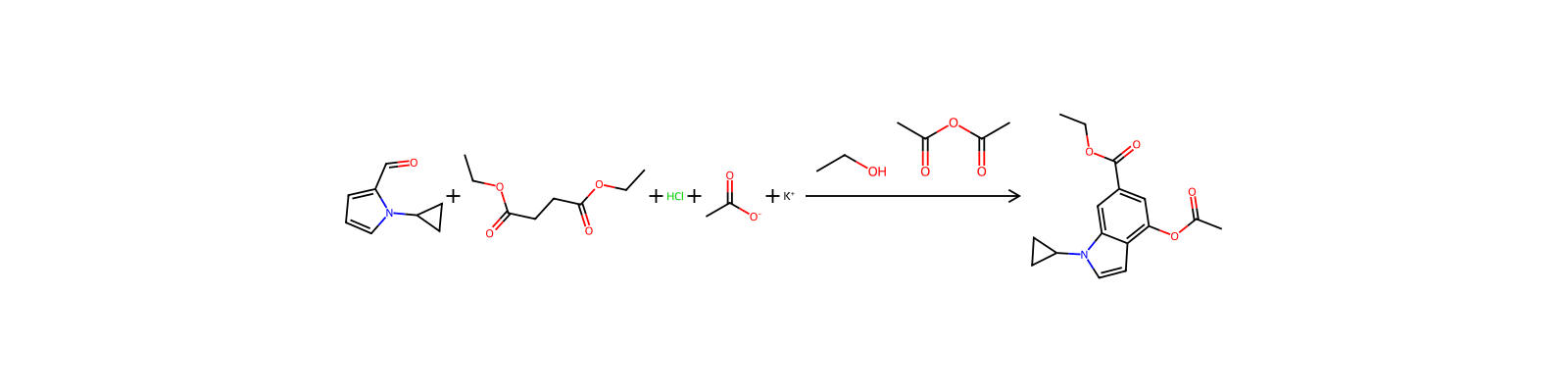
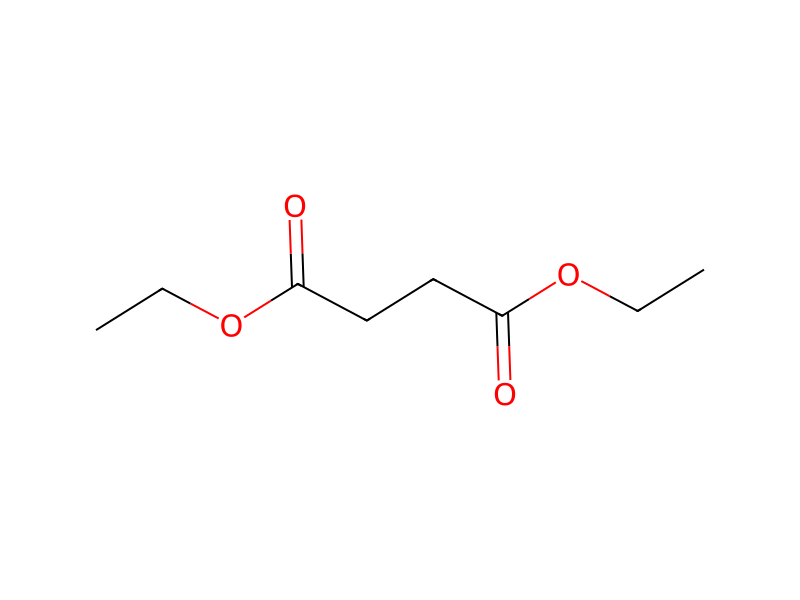
Na (14.6 g) was added portion wise to EtOH (400 ml) with stirring at room temperature. To the mixture was added a solution of 1-cyclopropyl-1H-pyrrole-2-carbaldehyde (38.9 g) and diethyl succinate (48.2 ml) in EtOH (100 ml) at 50° C., then the mixture was refluxed overnight. 140 ml of aqueous 5N HCl was added to the mixture at 0° C. and EtOH was evaporated. The residue was extracted with CHCl3, the organic layer was dried over Na2SO4 and concentrated to give red oil. The material was dissolved in 400 ml of acetic anhydride and KOAc (47.4 g) was added thereto. The mixture was refluxed for 30 min. and allowed to cool to room temperature. The mixture was filtrated and the filtrate was concentrated. The residue was purified by silicagel column chromatography (hexane/EtOAc) to give intended compound a red oil.