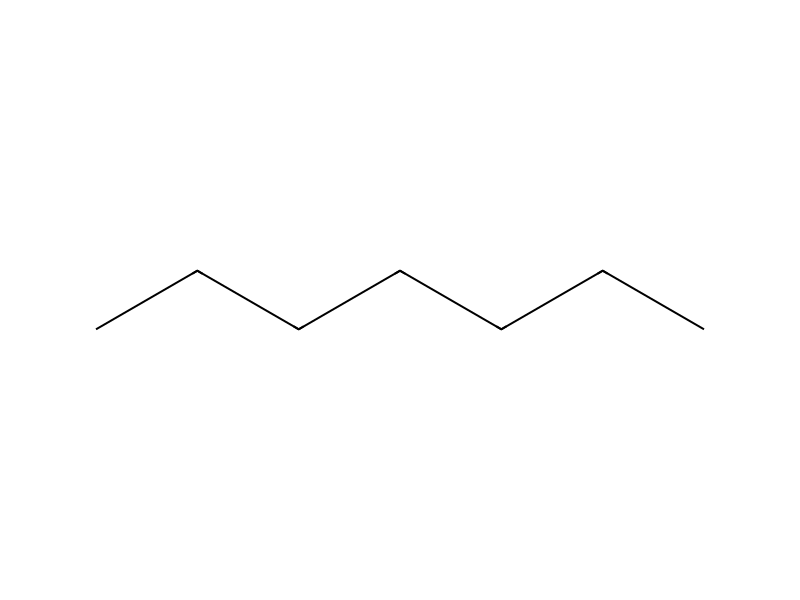
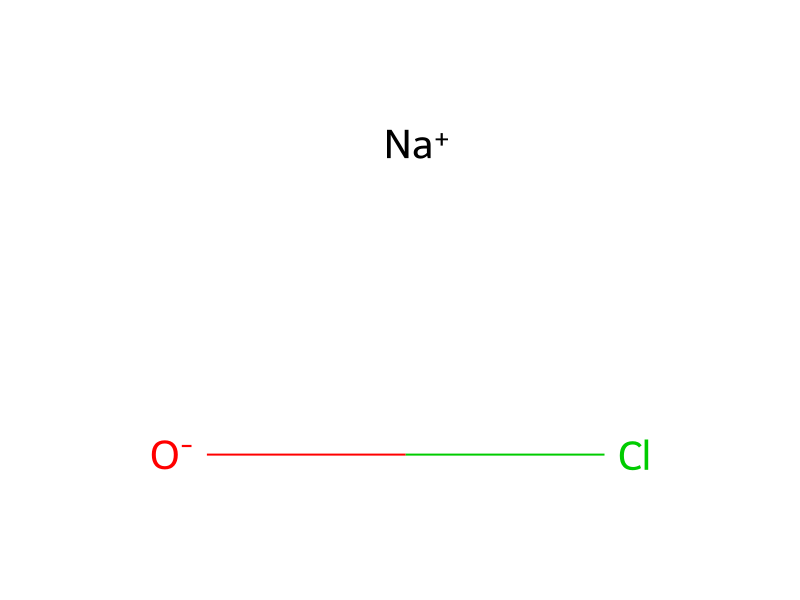
C([C:10]1[CH:15]=[C:14]([C:16]([CH3:23])([CH3:22])[CH2:17][C:18]([CH3:21])([CH3:20])[CH3:19])[CH:13]=[C:12]([N:24]2[N:28]=[C:27]3[CH:29]=[CH:30][C:31]([C:33]([F:36])([F:35])[F:34])=[CH:32][C:26]3=[N:25]2)[C:11]=1[OH:37])(C1C=CC=CC=1)(C)C.[Cl:38][O-].[Na+].C(O)C.CCCCCCC.O>>[Cl:38][C:10]1[CH:15]=[C:14]([C:16]([CH3:23])([CH3:22])[CH2:17][C:18]([CH3:19])([CH3:21])[CH3:20])[CH:13]=[C:12]([N:24]2[N:28]=[C:27]3[CH:29]=[CH:30][C:31]([C:33]([F:36])([F:34])[F:35])=[CH:32][C:26]3=[N:25]2)[C:11]=1[OH:37]A flask containing 2-cumyl-4-(1,1,3,3-tetramethyl-butyl)-6-(5-trifluromethyl-benzotriazol-2-yl)phenol (7.5 g, 0.014 mol), 7% aqueous sodium hypochlorite (125 g, 0.12 mol), ethanol (85 g, 1.83 mol), and heptane (85 g, 0.84 mol) is heated to 45° C. with agitation. After a one hour hold, water (150 g, 8.33 mol) and heptane (150 g, 1.49 mol) are added to the reaction mass to dissolve all solids. The aqueous layer is removed and heptane is distilled off yielding a white residue. The white residue is crystallized from methanol yielding the title compound as a white solid (5.4 g, 91%) melting at 72-81° C.