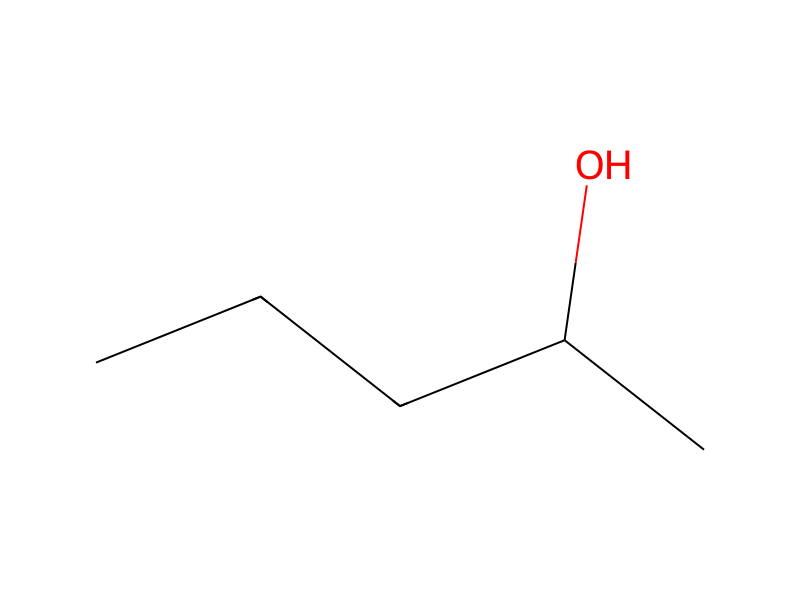
Cl.[Cl:2][C:3]1[C:12]2[C:7](=[CH:8][C:9]([O:15][CH2:16][CH2:17][CH2:18][N:19]3[CH2:24][CH2:23][O:22][CH2:21][CH2:20]3)=[C:10]([O:13][CH3:14])[CH:11]=2)[N:6]=[CH:5][CH:4]=1.[F:25][C:26]1[CH:32]=[C:31]([CH3:33])[C:30]([OH:34])=[CH:29][C:27]=1[NH2:28].CN(C=O)C>CC(O)CCC>[OH2:13].[ClH:2].[F:25][C:26]1[CH:32]=[C:31]([CH3:33])[C:30]([OH:34])=[CH:29][C:27]=1[NH:28][C:3]1[C:12]2[C:7](=[CH:8][C:9]([O:15][CH2:16][CH2:17][CH2:18][N:19]3[CH2:24][CH2:23][O:22][CH2:21][CH2:20]3)=[C:10]([O:13][CH3:14])[CH:11]=2)[N:6]=[CH:5][CH:4]=1A solution of 4-chloro-6-methoxy-7-(3-morpholinopropoxy)quinoline hydrochloride (205 mg, 0.5 mmol), (prepared as described for the starting material in Example 7), and 2-fluoro-5-hydroxy-4-methylaniline (70 mg, 0.5 mmol), (prepared as described for the starting material in Example 1), in 2-pentanol (10 ml) and DMF (1 ml) was heated at reflux for 5 hours. The resulting solid was collected by filtration, partitioned between methylene chloride and aqueous sodium hydrogen carbonate solution. The organic layer was separated and purified by column chromatography eluting with methylene chloride/methanol (70/30). The purified solid product was dissolved in ethanol and concentrated hydrochloric acid (0.2 ml) added. The volatiles were removed by evaporation and the residue was recrystallised from isopropanol/ether to give 4-(2-fluoro-5-hydroxy-4-methylanilino)-6-methoxy-7-(3-morpholinopropoxy)quinoline hydrochloride hydrate (283 mg, 73%) as a yellow solid.