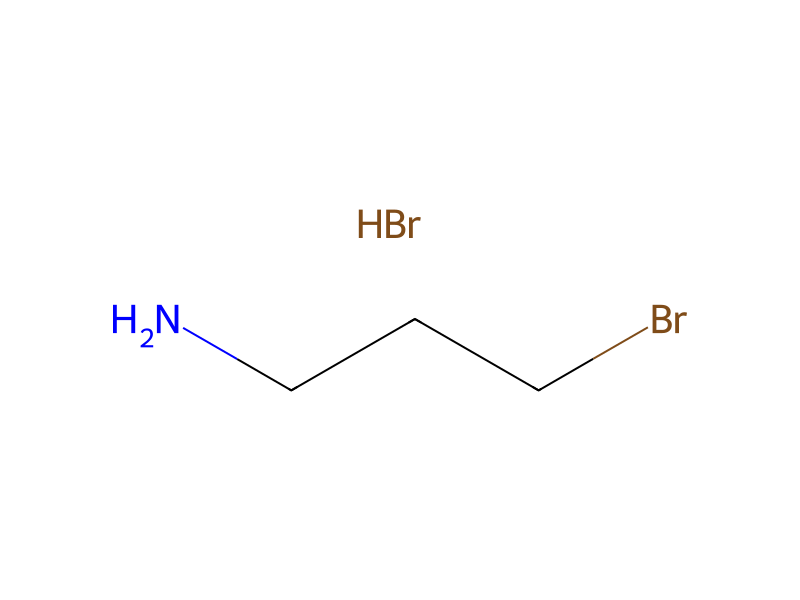
[C:1]1([N:7]2[CH2:12][CH2:11][NH:10][CH2:9][CH2:8]2)[CH:6]=[CH:5][CH:4]=[CH:3][CH:2]=1.Br.Br[CH2:15][CH2:16][CH2:17][NH2:18].C(=O)([O-])[O-].[K+].[K+].CC(C)=O>CCO>[NH2:18][CH2:17][CH2:16][CH2:15][N:10]1[CH2:11][CH2:12][N:7]([C:1]2[CH:6]=[CH:5][CH:4]=[CH:3][CH:2]=2)[CH2:8][CH2:9]14-Phenylpiperazine (5.00 g, 30.8 mmol, 1.00 equiv, Aldrich), 3-bromopropylamine hydrobromide (8.09 g, 37.0 mmol, 1.20 equiv) and potassium carbonate (8.51 g, 61.6 mmol, 2.00 equiv) were stirred in refluxing acetone (200 mL) and EtOH (40 mL) for 14 hours. After removal of the solvents, water (250 mL) was added and the pH was adjusted to 11-12 by addition of 1 N aqueous NaOH. The mixture was extracted with CH2Cl2 (4×250 mL). The combined organic solutions were dried over MgSO4 and concentrated. The residue was purified by flash chromatography (SiO2, CHCl3-MeOH-NH (2 M in MeOH) 100:10:5 to 100:20:10) to give 3.80 g (56%) of yellow oil, which was characterized spectroscopically.