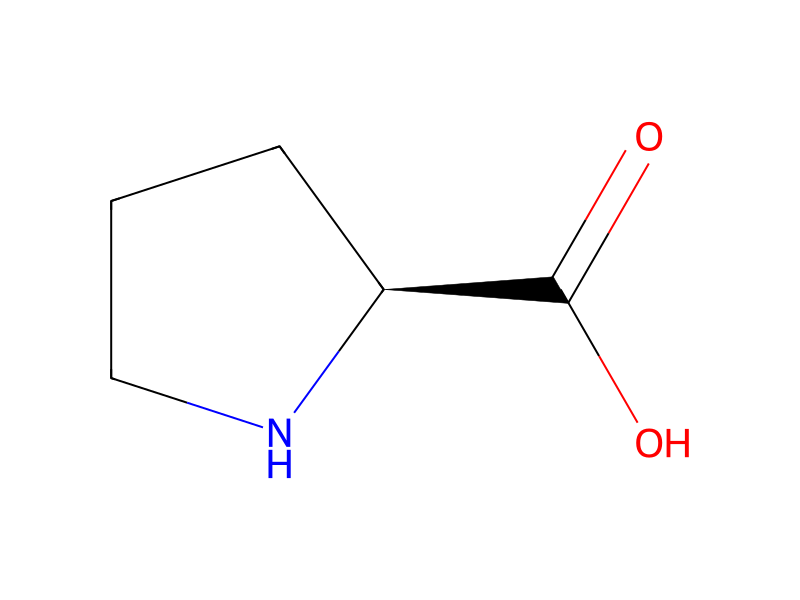
L-Proline → HCID 178469955、化合物
反応式

[CH3:1][N:2]1[CH2:7][CH2:6][N:5]([NH:8][C:9]2[O:10][CH2:11][C:12](=[O:19])[C:13]=2[C:14]([O:16][CH2:17][CH3:18])=[O:15])[CH2:4][CH2:3]1.[NH:20]1[C:28]2[C:23](=[CH:24][CH:25]=[CH:26][N:27]=2)[C:22]([CH:29]=O)=[CH:21]1.N1CCC[C@H]1C(O)=O>C(O)C>[NH:20]1[C:28]2=[N:27][CH:26]=[CH:25][CH:24]=[C:23]2[C:22]([CH:29]=[C:11]2[O:10][C:9]([NH:8][N:5]3[CH2:6][CH2:7][N:2]([CH3:1])[CH2:3][CH2:4]3)=[C:13]([C:14]([O:16][CH2:17][CH3:18])=[O:15])[C:12]2=[O:19])=[CH:21]1参加物
5



実験手順
To a solution of ethyl 2-[(4-methyl-1-piperazinyl)amino]-4-oxo-4,5-dihydrofuran-3-carboxylate (0.080 g, 0.30 mmol) which similarly prepared according to the procedure described in the Example 74, Fourth step and 7-azaindole-3-carboxaldehyde (0.040 g, 0.30 mmol) in ethanol (2.0 mL), L-proline (0.020 g, 0.17 mmol) was added at ambient temperature. The mixture was refluxed for 1.5 days. Cooled to ambient temperature, the precipitate was collected by filtration, washed with ethanol and hexane then dried to afford the titled compound as solid (0.017 g, y. 14%).