反応式

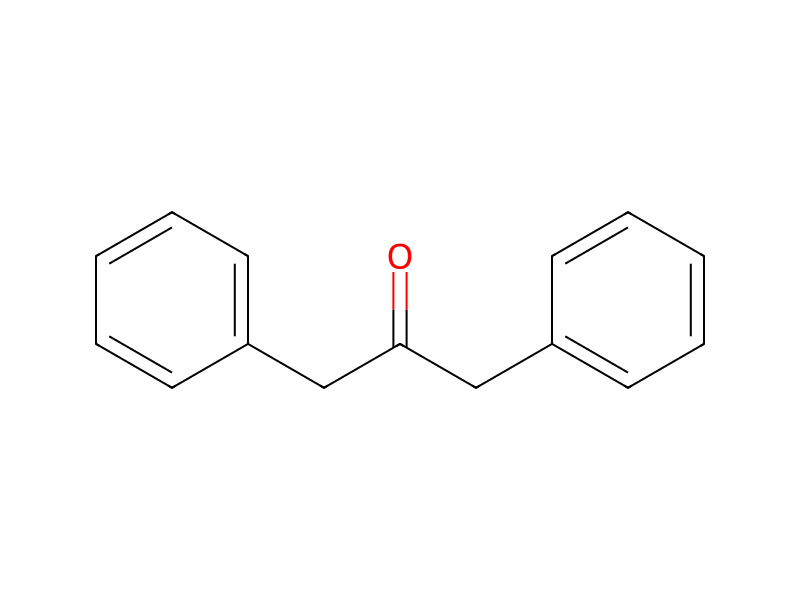
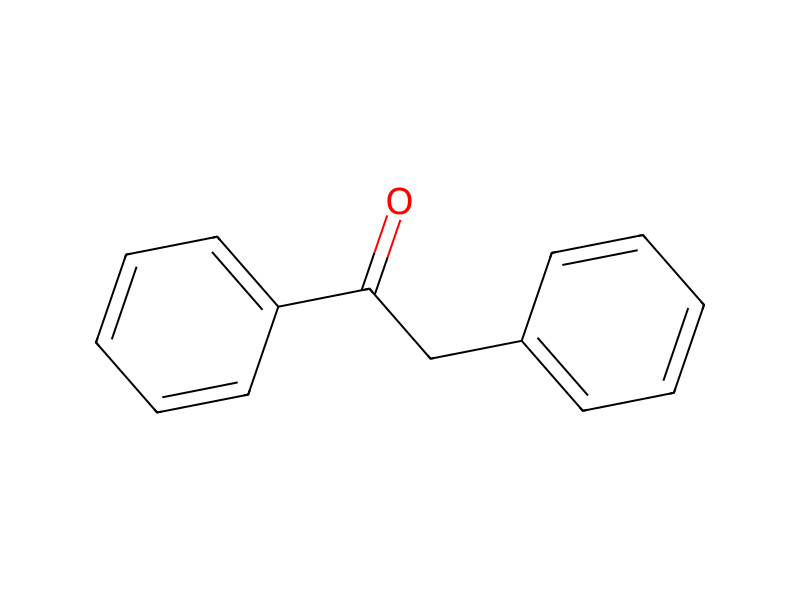
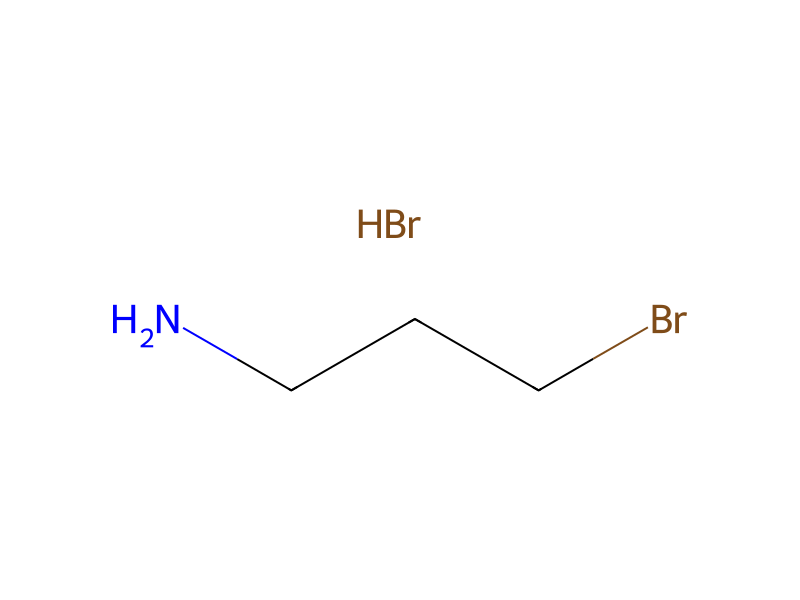
C1(C2C(C3C=CC=CC=3)=CC=CN=2)C=CC=CC=1.[C:19]1([C:25]([CH2:27][C:28]2[CH:33]=[CH:32][CH:31]=[CH:30][CH:29]=2)=[O:26])[CH:24]=[CH:23][CH:22]=[CH:21][CH:20]=1.C(C1C(C2C=CC=CC=2)=CC=CN=1)C1C=CC=CC=1.C1(CC(CC2C=CC=CC=2)=O)C=CC=CC=1.Br.BrCCCN.C(O[CH:78](OCC)[CH:79]=[CH:80][N:81]([CH3:83])[CH3:82])C>CN(C)C=O.[Pd]>[CH3:82][N:81]([CH3:83])[CH:80]=[CH:79][CH:78]=[C:27]([C:28]1[CH:29]=[CH:30][CH:31]=[CH:32][CH:33]=1)[C:25]([C:19]1[CH:20]=[CH:21][CH:22]=[CH:23][CH:24]=1)=[O:26]参加物
反応物 6


生成物 1

試薬・触媒・溶媒 2


実験手順
It is known to produce pyridines having aromatic substituents in the 2- and 3-positions from ketones, namely, 2,3-diphenyl pyridine from desoxybenzoin and 2-benzyl-3-phenyl pyridine from 1,3-diphenylacetone. The ketone for this purpose is first converted to the enamine, this reacted with 3-bromo-propylamine hydrobromide in dimethyl formamide to the tetrahydropyridines and these finally dehydrogenated in the presence of palladium catalyst to the pyridines (Org. Chem. Vol. 28 (1963) pages 3468 to 3473). In the case of the production of 2,3-diphenyl pyridine from desoxybenzoin this can also be reacted with 3,3-diethoxy-1-dimethylamino-1-propene to form 5-dimethylamino-1,2-diphenyl-2,4-pentadien-1-one and this reacted with triethyloxonium tetrafluoroborate and further with dimethylamine to 5-dimethylamino-N,N-dimethyl-1,2-diphenyl-2,4-pentadieniminium-tetrafluoroborate and finally this converted into the 2,3-diphenyl pyridine by heating in an ammonium chloride-ammonia solution (Liebigs Ann. Chem. 1975 pages 874 to 900).
出典と根拠
- ORDレコード
- ord-e199db17fb41456781eeba3abb8a745a
- 出典データセット
- uspto-grants-1979_10
- 特許番号
- US04169951
関連ノート
読み込み中…