反応式

[CH:1]1(N[C@H](C(O)=O)C)[CH2:6][CH2:5][CH2:4][CH2:3][CH2:2]1.N[C@H:14]([C:22]([OH:24])=[O:23])CC1C=CC=CC=1.C1(NCC(O)=O)CCCCC1.C1C=CC([C@@H](N)C(O)=O)=CC=1>[Pt]=O.[OH-].[Pd+2].[OH-].C(O)(=O)C>[C:22]([O:24][CH:1]1[CH2:2][CH2:3][CH2:4][CH2:5][CH2:6]1)(=[O:23])[CH3:14]参加物





実験手順
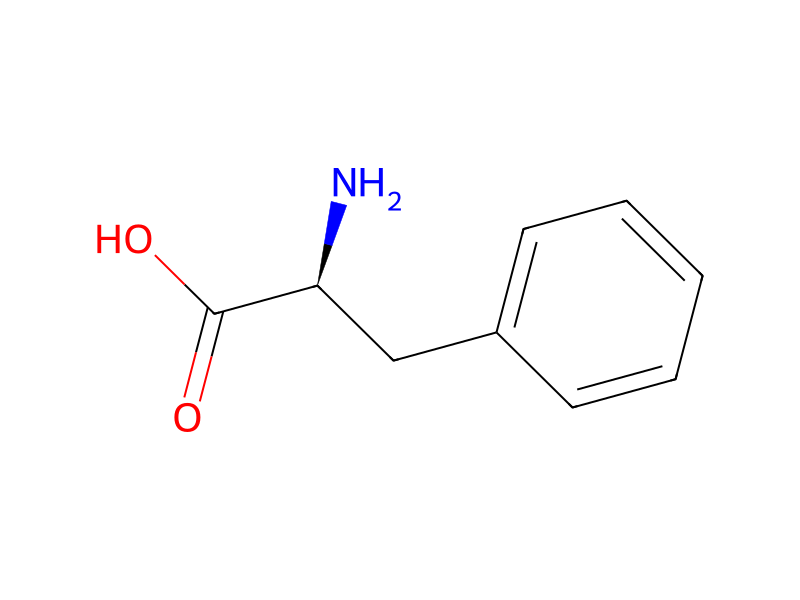
Specific examples of the production of an amino acid which is optically active and contains a cyclohexyl group include the production of cyclohexylalanine by reducing L-phenylalanine in an aqueous acetic acid solution using a platinum oxide catalyst (J. Org. Chem., 1988, 53, 873 and Tetrahedron, 1992, 48, 307), and the production of cyclohexylglycine by reducing (R)-phenylglycine in a carbon-containing aqueous solution using a palladium hydroxide catalyst (Synth. Commun., 1978, 8, 345). However, in the former case, the optical purity of the product is unclear. In the latter case, the yield is as low as between 24 and 66%, and cyclohexyl acetate is formed as a by-product at a ratio of from 27 to 68%. Further, the optical purity of the resulting cyclohexylglycine is between 66 and 84% ee, which is not satisfactory. Accordingly, these methods are not useful on an industrial scale.
後処理
- additioncontaining aqueous solution
出典と根拠
- ORDレコード
- ord-6977f84da42946c585bfff5dd0e69369
- 出典データセット
- uspto-grants-2001_11
- 特許番号
- US06316660B1
関連ノート
読み込み中…