Benzyl Alcohol → 1-Benzyloxy-4-nitro-2,3,5,6-tetrafluorobenzene
反応式

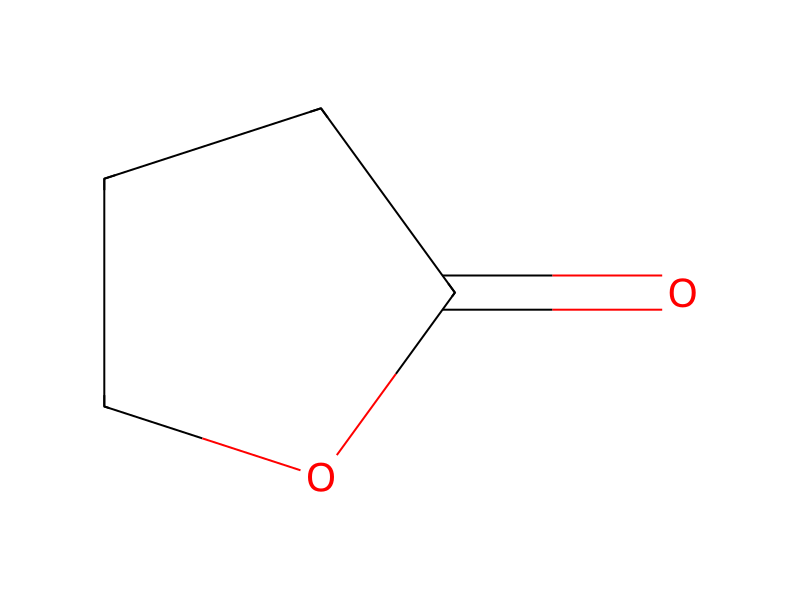
[F:1][C:2]1[C:7]([N+:8]([O-:10])=[O:9])=[C:6]([F:11])[C:5]([F:12])=[C:4](F)[C:3]=1[F:14].[CH2:15]([OH:22])[C:16]1[CH:21]=[CH:20][CH:19]=[CH:18][CH:17]=1.C(=O)([O-])[O-].[K+].[K+]>C1(=O)OCCC1>[CH2:15]([O:22][C:4]1[C:5]([F:12])=[C:6]([F:11])[C:7]([N+:8]([O-:10])=[O:9])=[C:2]([F:1])[C:3]=1[F:14])[C:16]1[CH:21]=[CH:20][CH:19]=[CH:18][CH:17]=1参加物
5




実験手順
21.3 g of pentafluoronitrobenzene (0.1 mol) and 12 g of benzyl alcohol (0.11 mol, i.e. a 10% excess) are dissolved in 200 ml of dry γ-butyrolactone in a three-neck flask fitted with stirrer. 30 g of potassium carbonate (0.22 mol) are then added in portions, and the mixture is stirred at room temperature for 24 hours. The reaction solution is then filtered via a fluted filter, and the crude product is extracted by shaking with 200 ml of ethyl acetate and 300 ml of water. The organic phase is washed three times with water, dried over sodium sulfate and evaporated to half in a rotary evaporator. The reaction product crystallizes from the initially viscous solution. The precipitated reaction product is then recrystallized from a mixture of methylene chloride and petrol ether (volume ratio 1:1) and then dried for 48 hours under nitrogen at 40° C./10 mbar in a vacuum drying cabinet.