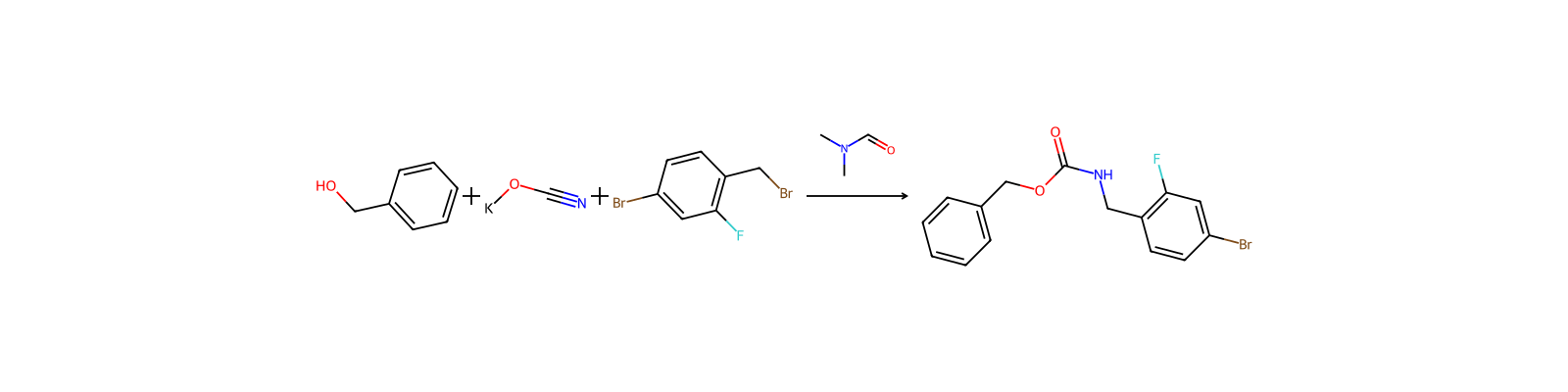

基本情報
- 標準SMILES
OCc1ccccc1- InChIKey
WVDDGKGOMKODPV-UHFFFAOYSA-N- 分子式
- C7H8O
- 平均分子量
- 108.14 g/mol
- 単同位体質量
- 108.05751488
概要
Benzyl alcohol appears as a clear colorless liquid with a pleasant odor. Slightly denser than water. Flash point 194 °F. Boiling point 401 °F. Contact may irritate skin, eyes, and mucous membranes. May be slightly toxic by ingestion. Used to make other chemicals.
名称と識別子
- 優先名称
- Benzyl Alcohol
- IUPAC
- phenylmethanol
- 現地名
- ベンジルアルコール
- 英語名
- Benzyl alcohol
- 分子式
- C7H8O
- 分子量
- 108.14
名称と別名
benzyl alcoholphenylmethanol100-51-6benzenemethanolphenylcarbinolBenzenecarbinolHydroxytolueneBenzoyl alcoholalpha-ToluenolPhenylmethyl alcohol(Hydroxymethyl)benzenePhenolcarbinol
名称をさらに表示
ベンジルアルコールベンゼンメタノールフェニルカルビノールヒドロキシメチルベンゼン(ヒドロキシメチル)ベンゼン4-(ヒドロキシメチル)ベンゼンフェニルメタノールベンジルアルコルベンジルアルコ-ルベンジルアルコール ACS REAGENT,≥99.0%ベンジルアルコール PURISS. P.A.,ACS REAGENT,≥99.0% (GC)ベンジルアルコール PURISS.,MEETS ANALYTICAL SPECIFICATION OF PH.EUR.,BP,NF,99-100.5% (GC)ベンジルアルコール REAGENTPLUS,≥99%ベンジルアルコール クロマソルブ GC-HEADSPACE TESTED,≥99.9% (GC)ベンジルアルコール 溶液ベンジルアルコール (JP17)ベンジルアルコール標準品BnOHbenjiachunBenzylalkoholBenzyl Alcohol BPFEMA 2137Benzyl alcoholl
alpha-hydroxytolueneAlcool benzyliqueBenzal alcoholMethanol, phenyl-benzylic alcoholBenzylicumhydroxymethylbenzenePhenylcarbinolum
データベース識別子
- CAS
100-51-6、957205-23-1- PubChem CID
- 244
- DTXSID
DTXSID5020152- ChEMBL
CHEMBL720- ChEBI
CHEBI:17987- UNII
- LKG8494WBH
- EC Number
- 202-859-9、835-314-4
- Nikkaji
- J4.009F
物性
構造計算による物性
- XLogP
- 1.1
- 極性表面積
- 20.2 Ų
- 水素結合供与体数
- 1
- 水素結合受容体数
- 1
- 回転可能結合数
- 1
- 重原子数
- 8
- 形式電荷
- 0
- 複雑度
- 55.4
実験および物理化学的性質
DrugsPharmaceuticals -> Listed in ZINC15
PolymersOther Classes -> Alcohols and Polyols, Other
Cosmetics
Cosmetics ingredient -> Base; Bulking/Viscosity; Conditioning/Emollient; Flavor; Fragrance; Moisturizing/Humectant; Opacifying Agent; Other (Specify); Preservative/Stabilizer; Solvent; Surfactant
Cosmetic ingredients (Benzyl Alcohol) -> CIR (Cosmetic Ingredient Review)
Preservative; Solvent
pHA solution in water is neutral to litmus
SpringerMaterials Properties13C nuclear magnetic resonance spectrum
FragrancesFragrance Ingredient (Benzyl alcohol) -> IFRA transparency List
PesticidesBiocide
LogP
log Kow = 1.10
1.10
1.1
1.19
OdorFaint aromatic odor
TasteSharp burning taste
Food AdditivesFLAVORING AGENT OR ADJUVANT, SOLVENT OR VEHICLE -> FDA Substance added to food
Density
1.05 at 1515 °F (USCG, 1999) - Denser than water; will sink
1.0419 g/cu cm at 24 °C
Percent in saturated air at 20 °C: 0.02; density of saturated air: 1.0005 (air = 1)
Liquid heat capacity = 0.520 BTU/lb-F at 68 °F; Liquid thermal conductivity = 1.088 BTU-in/hr-sq ft-F at 70 °F; Saturated vapor density = 0.00161 lb/cu ft at 180 °F; Ideal gas heat capacity = 0.276 BTU/lb-F at 60 °F
Relative density (water = 1): 1.04
1.040-1.050
物理化学的性質
- 融点
- -15 °C · -15 °C
- 沸点
- 205 °C · 205 °C
- 比重(密度)
- 1.045 g/mL · 1.045 g/mL at 25 °C(lit.)
- 蒸気密度
- 3.7 · 3.7 (vs air)
- 蒸気圧
- 13.3 mm · 13.3 mm Hg ( 100 °C)
- 屈折率
- 20 · n20/D 1.539(lit.)
- FEMA
- 2137 · 2137 | BENZYL ALCOHOL
- 闪点
- 201 °F · 201 °F
- 貯蔵温度
- 2 °C · Store at +2°C to +25°C.
- 溶解性
- 2 O: · H2O: 33 mg/mL 無色透明
- 外見
- 液体
- 酸解離定数(Pka)
- 14.36 · 14.36±0.10(Predicted)
- 色
- 20 · APHA: ≤20
- 臭い (Odor)
- マイルドで心地よい。
- においのタイプ
- 花柄
- 由来生物
- synthetic
- 爆発限界(explosive limit)
- 1.3 · 1.3-13%(V)
- 水溶解度
- 4.29 g/100mL · 4.29g/100mL(20℃)
- 比熱容量
- 2.01 J/ · Cp(liquid): 2.01 J/(g·K), at 25℃
- JECFA Number
- 25 · 25
- Merck
- 14 · 14,1124
- BRN
- 878307 · 878307
- Henry's Law Constant
- -7 at · -7 at 25 °C (thermodynamic method-GC/UV, Altschuh et al., 1999)
- Dielectric constant
- 13.1 · 13.1(20℃)
- 化粧品成分の機能
- 粘度制御溶媒防腐剤香料
- InChI
- 1S/C7H8O/c8-6-7-4-2-1-3-5-7/h1-5,8H,6H2
- InChIKey
- WVDDGKGOMKODPV-UHFFFAOYSA-N
- SMILES
- OCc1ccccc1
- LogP
- 1.05 at · 1.05 at 20℃
- 表面張力
- 39.2 mN/m · 39.2mN/m at 293.15K
- CAS データベース
- 100 · 100-51-6(CAS DataBase Reference)
- NISTの化学物質情報
- Benzyl alcohol(100-51-6)
- EPAの化学物質情報
- Benzyl alcohol (100-51-6)
化学的性質
化学的特性ベンジルアルコールは化学式でC7H8Oと表される有機化合物です芳香族アルコールの一種であり無色の液体として存在し微かな芳香が特徴です自然界では多くの花や果物に微量で存在しその香りに寄与しています工業的には様々な化学合成の中間体や化粧品香料薬品など幅広い用途で使用されています
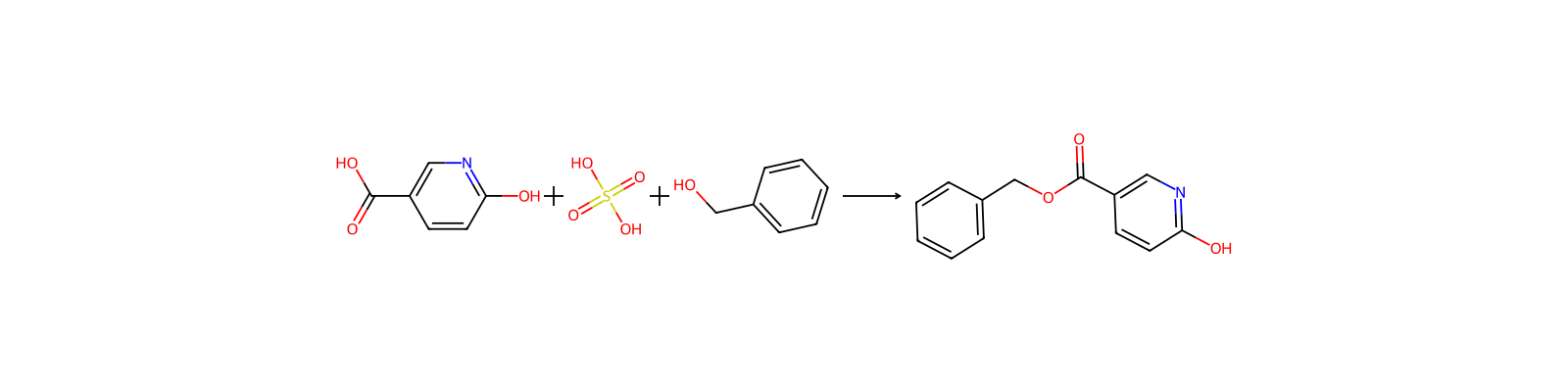
化学的特性Benzyl alcohol occurs in many essential oils and foods. It is a colorless liquid with a weak, slightly sweet odor. Benzyl alcohol can be oxidized to benzaldehyde, for example, with nitric acid. Dehydrogenation over a copper–magnesium oxide–pumice catalyst also leads to the aldehyde. Esterification of benzyl alcohol results in a number of important fragrance and flavor materials. Diphenylmethane is prepared by a Friedel–Crafts reaction of benzyl alcohol and benzene with aluminum chloride or concentrated sulfuric acid. By heating benzyl alcohol in the presence of strong acids or strong bases, dibenzyl ether is formed.
安全と法規制
GHS分類
GHS Classification
Warning
H302: Harmful if swallowed [Warning Acute toxicity, oral]
P261, P264, P264+P265, P270, P272, P280, P301+P317, P302+P352, P305+P351+P338, P321, P330, P333+P317, P337+P317, P362+P364, and P501 (click each P-code to see the statement)
This chemical does not meet GHS hazard criteria for < 0.1% (1 of 4746) of reports.
Warning
H302 (> 99.9%): Harmful if swallowed [Warning Acute toxicity, oral]
危険有害性情報
Regulatory Information
Chemical: Benzenemethanol
Hazard Traits - Fragrance Allergen
Regulation (EC) No 1333/2008 (amended)
Benzenemethanol is listed on the EPA's Chemical Data Reporting (CDR) system. Manufacturers and importers of Benzenemethanol are required to report information about their production and use of this chemical to the EPA under the Toxic Substances Control Act (TSCA). (40 eCFR Part 711)
Status: Active Update: 18-05-2023 https://echa.europa.eu/registration-dossier/-/registered-dossier/14748
Benzenemethanol: HSNO Approval: HSR001039 Approved with controls
Other Safety InformationIMAP assessments - Benzenemethanol: Human health tier II assessment
Fire Hazards
This chemical is combustible. (NTP, 1992)
Combustible.
Fire Potential
Slight, when exposed to heat or flame ...
Combustible
Health Hazards
Inhalation of vapor may cause irritation of upper respiratory tract. Prolonged or excessive inhalation may result in headache, nausea, vomiting, and diarrhea. In severe cases, respiratory stimulation followed by respiratory and muscular paralysis, convulsions, narcosis and death may result. Ingestion may produce severe irritation of the gastrointestinal tract, followed by nausea, vomiting, cramps and diarrhea; tissue ulceration may result. Contact with eyes causes local irritation. Material can be absorbed through skin with anesthetic or irritant effect. (USCG, 1999)
Hazards Summary
Rarely causes allergic contact dermatitis; [Marks, p. 136] Occupational contact urticaria has been reported. [PMID 11766131] A skin and eye irritant; Inhalation of high concentrations may cause CNS effects; May cause skin sensitization; [ICSC] No deaths in rats exposed to saturated concentrations (100-200 ppm) for 2 hours; Rapidly metabolized to hippuric acid; Has caused deaths in premature infants when given in IV solutions >4.5 mg/kg-day; [AIHA] Included in list of established contact allergens in humans; [EC: Scientific Committee on Consumer Safety: Fragrance allergens in cosmetic products (2011)]
FDA Requirements
Diluents in color additive mixtures for drug use exempt from certification. The following diluents may be safely used in color additive mixtures that are exempt from certification and which are to be used for coloring drugs, subject to the condition that each straight color in the mixture has been exempted from certification or, if not so exempted, is from a batch that has previously been certified and has not changed in composition since certification. Such listing of diluents is not to be construed as superseding any of the other requirements of the Federal Food, Drug, and Cosmetic Act with respect to drugs, including new drugs. If a definition and specification for a particular diluent is not set forth in this subpart, the material shall be of a purity consistent with its intended use. ... Externally applied drugs: Benzyl alcohol is included on this list.
Benzyl alcohol is a food additive permitted for direct addition to food for human consumption as a synthetic flavoring substance and adjuvant in accordance with the following conditions: a) they are used in the minimum quantity required to produce their intended effect, and otherwise in accordance with all the principles of good manufacturing practice, and 2) they consist of one or more of the following, used alone or in combination with flavoring substances and adjuvants generally recognized as safe in food, prior-sanctioned for such use, or regulated by an appropriate section in this part.
Benzyl alcohol is an indirect food additive for use only as a component of adhesives.
Drug products containing certain active ingredients offered over-the-counter (OTC) for certain uses. A number of active ingredients have been present in OTC drug products for various uses, as described below. However, based on evidence currently available, there are inadequate data to establish general recognition of the safety and effectiveness of these ingredients for the specified uses: benzyl alcohol is included in male genital desensitizer drug products.
For more FDA Requirements (Complete) data for BENZYL ALCOHOL (7 total), please visit the HSDB record page.
Reactive GroupAlcohols and Polyols
EC ClassificationSymbol: Xn; R: 20/22; S: (2)-26
Special Reports
Organization for Economic Cooperation and Development; Screening Information Data Set for Benzoates, CAS #s 65-85-0, 532-32-1, 582-25-2, 100-51-6, 320 pp. (2001). This OECD Initial Assessment of HPV Chemicals is part of a series of OECD SIDS documents published by UNEP Chemicals to facilitate the access to information needed for health and environmental risk assessments of chemicals.
European Medicines Agency (EMEA), The European Agency for the Evaluation of Medicinal Products, Veterinary Medicines Evaluation Unit, Committee for Veterinary Medicinal Products; Benzyl Alcohol, Summary Report (1997). This report summarizes the toxicological information on benzyl alcohol to support a proposal for use in food-producing species.
DHHS/NTP; Toxicology & Carcinogenesis Studies of Benzyl Alcohol in F344/N Rats and B6C3F1 Mice Technical Report Series No. 343 (1989) NIH Publication No. 89-2599
European Chemicals Bureau; IUCLID Dataset, Benzyl alcohol (100-51-6), 72 pp. (2000 CD-ROM edition).[Available from, as of August 5, 2005: http://esis.jrc.ec.europa.eu/]
Nair B.; Final report on the safety assessment of Benzyl Alcohol, Benzoic Acid, and Sodium Benzoate. Int J Toxicol. 20 Suppl 3: 23-50 (2001)[Nair B; Int J Toxicol 20 Suppl 3: 23-50 (2001)]
EPA Safer ChemicalChemical: Benzyl alcohol
FIFRA Requirements
As the federal pesticide law FIFRA directs, EPA is conducting a comprehensive review of older pesticides to consider their health and environmental effects and make decisions about their future use. Under this pesticide reregistration program, EPA examines health and safety data for pesticide active ingredients initially registered before November 1, 1984, and determines whether they are eligible for reregistration. In addition, all pesticides must meet the new safety standard of the Food Quality Protection Act of 1996. Pesticides for which EPA had not issued Registration Standards prior to the effective date of FIFRA '88 were divided into three lists based upon their potential for human exposure and other factors, with List B containing pesticides of greater concern and List D pesticides of less concern. Benzyl alcohol is found on List D. Case No: 4013; Pesticide type: insecticide, fungicide; Case Status: OPP is reviewing data from the pesticide's producers regarding its human health and/or environmental effects, or OPP is determining the pesticide's eligibility for reregistration and developing the RED document.; Active ingredient (AI): benzyl alcohol; AI Status: The active ingredient is no longer contained in any registered products ... "cancelled."
安全と保護具
Fire FightingUse powder, AFFF, foam, carbon dioxide.
First Aid Measures
Fresh air, rest. Refer for medical attention.
Remove contaminated clothes. First rinse with plenty of water for at least 15 minutes, then remove contaminated clothes and rinse again.
First rinse with plenty of water for several minutes (remove contact lenses if easily possible), then refer for medical attention.
Rinse mouth. Refer for medical attention .
First Aid
EYES: First check the victim for contact lenses and remove if present. Flush victim's eyes with water or normal saline solution for 20 to 30 minutes while simultaneously calling a hospital or poison control center. Do not put any ointments, oils, or medication in the victim's eyes without specific instructions from a physician. IMMEDIATELY transport the victim after flushing eyes to a hospital even if no symptoms (such as redness or irritation) develop.
Safe StorageSeparated from strong oxidants.
Firefighting HazardsSpecial hazards arising from the substance or mixture: Carbon oxides.
Exposure Control and Personal Protection5.0 [ppm]
Fire Fighting Procedures
Foam, carbon dioxide, dry chem ...
If material on fire or involved in fire: Use water in flooding quantities as fog. Use "alcohol" foam, dry chemical or carbon dioxide. Cool all affected containers with flooding quantities of water. Apply water from as far a distance as possible. Keep run-off water out of sewers and water sources. /Benzyl alcohol (Combustible liquid, NOS)/
Suitable extinguishing media: Use water spray, alcohol-resistant foam, dry chemical or carbon dioxide.
Advice for firefighters: Wear self contained breathing apparatus for fire fighting if necessary.
Storage Conditions
Benzyl alcohol is stored in stainless steel tanks. Because benzyl alcohol oxidizes readily, it is advisable to cover the surface of the liquid with nitrogen.
... Store in places that are cool ... Provide adequate ventilation ... Locate the storage area ... away from areas of fire hazard. Highly flammable materials must be kept apart from powerful oxidizing agents, materials susceptible to spontaneous heating, explosives ...
Store at a temp not exceeding 40 °C in airtight containers. Protect from light.
Conditions for safe storage, including any incompatibilities: Keep container tightly closed in a dry and well-ventilated place. Handle and store under inert gas. Hygroscopic.
Cleanup Methods
SRP: Wastewater from contaminant suppression, cleaning of protective clothing/equipment, or contaminated sites should be contained and evaluated for subject chemical or decomposition product concentrations. Concentrations shall be lower than applicable environmental discharge or disposal criteria. Alternatively, pretreatment and/or discharge to a POTW is acceptable only after review by the governing authority. Due consideration shall be given to remediation worker exposure (inhalation, dermal and ingestion) as well as fate during treatment, transfer and disposal. If it is not practicable to manage the chemical in this fashion, it must meet Hazardous Material Criteria for disposal.
Environmental considerations: Land spill: Dig a pit, pond, lagoon, holding area to contain liquid or solid material. Dike surface flow using soil, sand bags, foamed polyurethane, or foamed concrete. Absorb bulk liquid with fly ash, cement powder, or commercial sorbents. /SRP: If time permits, pits, ponds, lagoons, soak holes, or holding areas should be sealed with an impermeable flexible membrane liner./ /Benzyl alcohol (Combustible liquid, NOS)/
Environmental considerations: Water spill: Use natural barriers or oil spill control booms to limit spill travel. Remove trapped material with suction hoses. /Benzyl alcohol (Combustible liquid, NOS)/
Environmental considerations: Air spill: Apply water spray or mist to knock down vapors. /Benzyl alcohol (Combustible liquid, NOS)/
Accidental Release Measures. Personal precautions, protective equipment and emergency procedures: Use personal protective equipment. Avoid breathing vapours, mist or gas. Ensure adequate ventilation. Environmental precautions: Prevent further leakage or spillage if safe to do so. Do not let product enter drains. Discharge into the environment must be avoided. Methods and materials for containment and cleaning up: Soak up with inert absorbent material and dispose of as hazardous waste. Keep in suitable, closed containers for disposal.
Disposal Methods
SRP: The most favorable course of action is to use an alternative chemical product with less inherent propensity for occupational harm/injury/toxicity or environmental contamination. Recycle any unused portion of the material for its approved use or return it to the manufacturer or supplier. Ultimate disposal of the chemical must consider: the material's impact on air quality; potential migration in soil or water; effects on animal and plant life; and conformance with environmental and public health regulations.
Waste treatment methods. Product: Offer surplus and non-recyclable solutions to a licensed disposal company. Contact a licensed professional waste disposal service to dispose of this material. Contaminated packaging: Dispose of as unused product.
Spillage Disposal
Collect leaking and spilled liquid in sealable containers as far as possible. Absorb remaining liquid in sand or inert absorbent. Then store and dispose of according to local regulations. Personal protection: filter respirator for organic gases and vapours adapted to the airborne concentration of the substance.
Preventive Measures
SRP: The scientific literature for the use of contact lenses by industrial workers is inconsistent. The benefits or detrimental effects of wearing contact lenses depend not only upon the substance, but also on factors including the form of the substance, characteristics and duration of the exposure, the uses of other eye protection equipment, and the hygiene of the lenses. However, there may be individual substances whose irritating or corrosive properties are such that the wearing of contact lenses would be harmful to the eye. In those specific cases, contact lenses should not be worn. In any event, the usual eye protection equipment should be worn even when contact lenses are in place.
SRP: Local exhaust ventilation should be applied wherever there is an incidence of point source emissions or dispersion of regulated contaminants in the work area. Ventilation control of the contaminant as close to its point of generation is both the most economical and safest method to minimize personnel exposure to airborne contaminants. Ensure that the local ventilation moves the contaminant away from the worker.
Ventilation control: the basic ventilation methods are local exhaust ventilation and dilution or general ventilation.
... Substitution of less irritating substances ... Redesign of operations ... Prevent contact, provision of a physical barrier against contact, proper washing facilities, work clothing and storage facilities, protective clothing, and barrier creams. Medical control ...
For more Preventive Measures (Complete) data for BENZYL ALCOHOL (9 total), please visit the HSDB record page.
毒性情報
Interactions
Acetaminophen (APAP) toxicity is the most common cause of acute liver failure in industrialized countries. Understanding the mechanisms of APAP-induced liver injury as well as other forms of sterile liver injury is critical to improve the care of patients. Recent studies demonstrate that danger signaling and inflammasome activation play a role in APAP-induced injury. The aim of these investigations was to test the hypothesis that benzyl alcohol (BA) is a therapeutic agent that protects against APAP-induced liver injury by modulation of danger signaling. APAP-induced liver injury was dependent, in part, on Toll-like receptor (TLR)9 and receptor for advanced glycation endproducts (RAGE) signaling. BA limited liver injury over a dose range of 135-540 ug/g body weight or when delivered as a pre-, concurrent, or post-APAP therapeutic. Furthermore, BA abrogated APAP-induced cytokines and chemokines as well as high-mobility group box 1 release. Moreover, BA prevented APAP-induced inflammasome signaling as determined by interleukin (IL)-1(beta), IL-18, and caspase-1 cleavage in liver tissues. Interestingly, the protective effects of BA on limiting liver injury and inflammasome activation were dependent on TLR4 signaling, but not TLR2 or CD14. Cell-type-specific knockouts of TLR4 were utilized to further determine the protective mechanisms of BA. These studies found that TLR4 expression specifically in myeloid cells (LyzCre-tlr4-/-) were necessary for the protective effects of BA. BA protects against APAP-induced acute liver injury and reduced inflammasome activation in a TLR4-dependent manner. BA may prove to be a useful adjunct in the treatment of APAP and other forms of sterile liver injury.
Skin Symptoms
Selected as the 2026 American Contact Dermatitis Society Allergen of the Year. The authors stated that while Benzyl Alcohol is generally considered safe, it can cause allergic contact dermatitis, especially after prolonged or repeated exposure. They also stated that Benzyl Alcohol is not included in many standard patch test series and that there might be underrecognition of its allergenicity.
Ecotoxicity Values
EC50; Species: Haematococcus pluvialis (Algae); Concentration: 2600mg/L for 24 hr; Effect: inhibition of photosynthesis /Conditions of bioassay not specified in source examined/
EC50; Species: Chlorella pyrenoidosa (Algae); Concentration: 95 mg/L for 3 hr, Effect: inhibition of photosynthesis /Conditions of bioassay not specified in source examined/
LC50; Species: Petrumyzon marinus /lamprey/; Conditions: static bioassay; Concentration: >=5 mg/L for 24 hr
LC50; Species: Leuciscus idus /Ide, silver or golden orfe/; Conditions: static bioassay; Concentration: 646 mg/L for 48 hr
For more Ecotoxicity Values (Complete) data for BENZYL ALCOHOL (15 total), please visit the HSDB record page.
Environmental Fate
TERRESTRIAL FATE: Based on a classification scheme(1), Koc values of <5(2) and 29(3) indicate that benzyl alcohol is expected to have very high mobility in soil(SRC). Volatilization of benzyl alcohol from moist soil surfaces is not expected to be an important fate process(SRC) given an estimated Henry's Law constant of 3.37X10⁻⁷ atm-cu m/mole(4). Benzyl alcohol is not expected to volatilize from dry soil surfaces(SRC) based upon a vapor pressure of 9.4X10⁻² mm Hg at 25 °C(5). Utilizing the Japanese MITI test, 94% of the Theoretical BOD was reached in 2 weeks(6) indicating that biodegradation is an important environmental fate process in soil(SRC).
AQUATIC FATE: Based on a classification scheme(1), Koc values of <5(2) and 27(3) indicate that benzyl alcohol is not expected to adsorb to suspended solids and sediment(SRC). Volatilization from water surfaces is not expected to be an important fate process(4) based upon a Henry's Law constant of 3.37X10⁻⁷ atm-cu m/mole(5). According to a classification scheme(6), an estimated BCF of 1.4(SRC), from its log Kow of 1.10(7) and a regression-derived equation(8), suggests the potential for bioconcentration in aquatic organisms is low(SRC). Utilizing the Japanese MITI test, 94% of the Theoretical BOD was reached in 2 weeks(9) indicating that biodegradation is an important environmental fate process in water(SRC).
ATMOSPHERIC FATE: According to a model of gas/particle partitioning of semivolatile organic compounds in the atmosphere(1), benzyl alcohol, which has a vapor pressure of 9.4X10⁻² mm Hg at 25 °C(2), is expected to exist solely as a vapor in the ambient atmosphere. Vapor phase benzyl alcohol is degraded in the atmosphere by reaction with photochemically produced hydroxyl radicals(SRC); the half-life for this reaction in air is estimated to be 2 days(SRC), calculated from its rate constant of 2.3X10⁻¹¹ cu cm/molecule sec at 25 °C(3). Benzyl alcohol does not contain chromophores that absorb at wavelengths >290 nm(4) and therefore is not expected to be susceptible to direct photolysis by sunlight(SRC).
Food Survey Values
Benzyl alcohol has been identified as a volatile flavor component of baked potatoes(1), Beaufort (Gruyere) cheese(2), bacon(3), and roasted filberts (nuts)(4). It has been identified as a volatile component of blended nectarines, but not in a headspace analysis of the intact fruit(5). Benzyl alcohol was detected in different forms of cooked sweet corn at concentrations of less than 1 ppb to 8 ppb(6). Benzyl alcohol was identified, not quantified, in the edible portion of Korean chamchwi plants(7).
The concentrations in three commercial fermented soybean (Glycine max) available in Hong Kong markets were 107.6, 138., and 211.7 ug/kg(1). Benzyl alcohol was detected in Australian honey at concentrations of and 0.1-0.6 mg/kg from sources of yellow box (Eucalyptus melliodora); it was not detected in honey based on Australian blue gum (Eucalyptus leaucoxylon)(2). The compound is a volatile of ground musty sorghum(3). Benzyl alcohol was identified in Korean red pine (Pinus densiflora) pine sprout tea and pine needle tea(4).
Adverse EffectsNeurotoxin - Acute solvent syndrome
Exposure RoutesThe substance can be absorbed into the body by inhalation of its vapour and by ingestion.
Milk Concentrations
EXPERIMENTAL: When used as a teat dip, concentrations in the /cow/ milk ranging from 7.6-120 ug/L benzyl alcohol have been determined. When good husbandry practice was followed and the udder dry wiped before milking, mean residues in the milk were reported to be 21 ug/L(1).
Toxicity Summary
Safe in the present practices of use and concentration. Ingredient, concentration, and use information are available in documents discoverable at https://cir-reports.cir-safety.org
IDENTIFICATION: Benzyl alcohol is an aromatic organic alcohol, water-white in color with a faint aromatic odor and a sharp burning taste; it is a preservative, a solvent, and a local anesthetic. It is used in a wide variety of products including photographic developer for color movie films; dyeing nylon filament, textiles, and sheet plastics; solvent for dyestuffs, cellulose esters, casein, waxes; heat-sealing polyethylene films; intermediate for benzyl esters and ethers; bacteriostatic; cosmetics, ointments, emulsions; ball point pen inks; stencil inks. HUMAN EXPOSURE AND TOXICITY: Benzyl alcohol has been found to be irritating to the skin at levels 3% or greater. Patch test with 0.65% benzyl alcohol did not produce irritation of the skin. Benzyl alcohol poisoning can cause the gasping syndrome in neonates. The infants had a typical course of gradual neurologic deterioration, severe metabolic acidosis, the striking onset of gasping respirations, thrombocytopenia, hepatic and renal failure, hypotension, cardiovascular collapse and death. In every infant, unmetabolized benzyl alcohol was identified in the urine. Hypersensitivity reactions may occur after parenteral or dermal exposure to benzyl alcohol. Acute reactions include urticaria, erythema, palpable edema, fatigue, nausea, diffuse angioedema, maculopapular rash, and fever. A delayed hypersensitivity reaction characterized by erythema, edema, and vesiculation may appear in 2 to 3 days after an immediate reaction to a single benzyl alcohol challenge in the same patient. Reports are available contraindicating the use of neuromuscular blocking agents containing benzyl alcohol. Use of these agents was not advised in neonates or in the epidural space. Benzyl alcohol 0.225 mg/mL, the clinically relevant concentration in triamcinolone acetonide (TA) following intravitreal injection, caused ultrastructural damage and impaired human retinal pigment epithelial cell function at 2 hr. Benzyl alcohol 9.0 mg/mL, the concentration in commercial TA suspensions, was toxic within 5 minutes. ANIMAL STUDIES: In a primary irritation study 10% benzyl alcohol applied in a 24-hour occlusive patch to the back of eight male albino rabbits did not cause irritation. Undiluted benzyl alcohol was moderately irritating when applied to the depilated skin of guinea pigs for 24 hr. Acute intravenous toxicity of benzyl alcohol was determined in mice. Clinical signs were convulsion, dyspnea and reduced motility in all strains for 24 hours. The slight decrease in body weight in the first week following treatment returned to normal in the second week. Microscopic examination revealed local nerve degeneration when 5% benzyl alcohol was injected into the side of a cat's face; at 10% local anesthesia was produced. In another experiment, rats were given oral doses of 50, 100, 200, 400, and 800 mg/kg for 13 weeks. The high dose produced clinical signs indicative of neurotoxicity including staggering, respiratory difficulty, and lethargy. Reduction in weight gain was noted in males at 800 mg/kg and females at equal to or greater than 200 mg/kg. The high dose animals also showed hemorrhages around the mouth and nose, and histological lesions in the brain, thymus, skeletal muscle, and kidney. Fifty pregnant mice were given 750 mg/kg/day benzyl alcohol in water by gavage on days 6-13 of gestation and were allowed to deliver. A decrease in the birth weight and weight gain in the pups was observed, but the chemical was not toxic to the mothers and had no effect on pup viability. Benzyl alcohol was tested for genotoxicity in 5 Salmonella typhimurium strains (TA1535, TA1537, TA97, TA98, and TA100) in the presence and absence of metabolic activation. The highest ineffective dose tested without toxicity in any S. typhimurium strains was 5.0 mg/plate. Slight inhibition of the background bacterial lawn occurred in cultures at 6.666 mg/plate but no significant change was seen in the results. In a mammalian cell genotoxicity assay using CHO cells, benzyl alcohol was negative without metabolic activation and positive with metabolic activation.
Plant Concentrations
Benzyl alcohol was quantitatively detected in the skin and pulp of Queen Anne's pocket melon (Cucumis melo L) at 164.5 and 25.5 ug/kg, respectively(1).
Benzyl alcohol plant concentrations(1).[Table#68]
Signs and Symptoms
Cough. Dizziness. Headache.
Redness.
Redness.
Abdominal pain. Diarrhoea. Drowsiness. Nausea. Vomiting.
Ongoing Test Status
EPA has released the first beta version (version 0.5) of the Interactive Chemical Safety for Sustainability (iCSS) Dashboard. The beta version of the iCSS Dashboard provides an interactive tool to explore rapid, automated (or in vitro high-throughput) chemical screening data generated by the Toxicity Forecaster (ToxCast) project and the federal Toxicity Testing in the 21st century (Tox21) collaboration. /The title compound was tested by ToxCast and/or Tox21 assays; See the data in Chemical Explorer/[USEPA; ICSS Dashboard Application; Available from, as of June 27, 2014: http://actor.epa.gov/dashboard/]
The following link will take the user to the National Toxicology Program (NTP) Test Agent Search Results page, which tabulates all of the "Standard Toxicology & Carcinogenesis Studies", "Developmental Studies", and "Genetic Toxicity Studies" performed with this chemical. Clicking on the "Testing Status" link will take the user to the status (i.e., in review, in progress, in preparation, on test, completed, etc.) and results of all the studies that the NTP has done on this chemical.[Available from, as of October 22, 2014: http://ntp-apps.niehs.nih.gov/ntp_tox/index.cfm?fuseaction=ntpsearch.searchresults&searchterm=100-51-6]
法規制情報
FDA Requirements
Diluents in color additive mixtures for drug use exempt from certification. The following diluents may be safely used in color additive mixtures that are exempt from certification and which are to be used for coloring drugs, subject to the condition that each straight color in the mixture has been exempted from certification or, if not so exempted, is from a batch that has previously been certified and has not changed in composition since certification. Such listing of diluents is not to be construed as superseding any of the other requirements of the Federal Food, Drug, and Cosmetic Act with respect to drugs, including new drugs. If a definition and specification for a particular diluent is not set forth in this subpart, the material shall be of a purity consistent with its intended use. ... Externally applied drugs: Benzyl alcohol is included on this list.
Benzyl alcohol is a food additive permitted for direct addition to food for human consumption as a synthetic flavoring substance and adjuvant in accordance with the following conditions: a) they are used in the minimum quantity required to produce their intended effect, and otherwise in accordance with all the principles of good manufacturing practice, and 2) they consist of one or more of the following, used alone or in combination with flavoring substances and adjuvants generally recognized as safe in food, prior-sanctioned for such use, or regulated by an appropriate section in this part.
Benzyl alcohol is an indirect food additive for use only as a component of adhesives.
Drug products containing certain active ingredients offered over-the-counter (OTC) for certain uses. A number of active ingredients have been present in OTC drug products for various uses, as described below. However, based on evidence currently available, there are inadequate data to establish general recognition of the safety and effectiveness of these ingredients for the specified uses: benzyl alcohol is included in male genital desensitizer drug products.
For more FDA Requirements (Complete) data for BENZYL ALCOHOL (7 total), please visit the HSDB record page.
FIFRA Requirements
As the federal pesticide law FIFRA directs, EPA is conducting a comprehensive review of older pesticides to consider their health and environmental effects and make decisions about their future use. Under this pesticide reregistration program, EPA examines health and safety data for pesticide active ingredients initially registered before November 1, 1984, and determines whether they are eligible for reregistration. In addition, all pesticides must meet the new safety standard of the Food Quality Protection Act of 1996. Pesticides for which EPA had not issued Registration Standards prior to the effective date of FIFRA '88 were divided into three lists based upon their potential for human exposure and other factors, with List B containing pesticides of greater concern and List D pesticides of less concern. Benzyl alcohol is found on List D. Case No: 4013; Pesticide type: insecticide, fungicide; Case Status: OPP is reviewing data from the pesticide's producers regarding its human health and/or environmental effects, or OPP is determining the pesticide's eligibility for reregistration and developing the RED document.; Active ingredient (AI): benzyl alcohol; AI Status: The active ingredient is no longer contained in any registered products ... "cancelled."
Atmospheric Standards
This action promulgates standards of performance for equipment leaks of Volatile Organic Compounds (VOC) in the Synthetic Organic Chemical Manufacturing Industry (SOCMI). The intended effect of these standards is to require all newly constructed, modified, and reconstructed SOCMI process units to use the best demonstrated system of continuous emission reduction for equipment leaks of VOC, considering costs, non air quality health and environmental impact and energy requirements. Benzyl alcohol is produced, as an intermediate or a final product, by process units covered under this subpart.
State Drinking Water Guidelines(FL) FLORIDA 2,100 ug/L
安全データ
- F
- 8-10-23-35
- wgk
- 1
- tsca
- TSCA listed
- rtecs
- DN3150000
- ridadr
- UN 1593 6.1/PG 3
- 毒性
- LD50 orally in rats: 3.1 g/kg (Smyth)
- hs_code
- 29062100
- risk_code
- 20/22-63-43-36/37/38-23/24/25-45-40
- 化審法
- (3)-1011
- 消防法
- 危険物第4類第三石油類(非水溶性)
- hazard_code
- Xn,T
- safety_code
- 26-36/37-24/25-23-53
- 自然発火温度
- 817 °F
- 環境リスク評価
- ベンジルアルコール(100-51-6)
- Hazard Classifications
- Acute Tox. 4 InhalationAcute Tox. 4 OralEye Irrit. 2
- ストレージクラス
- 10 - Combustible liquids
- 有毒物質データの
- 100-51-6(Hazardous Substances Data)
化学と産業
薬理情報
ATC CodeP - Antiparasitic products, insecticides and repellents
Mechanism of ActionBenzyl alcohol inhibits lice from closing their respiratory spiracles, allowing the vehicle to obstruct the spiracles and causing the lice to asphyxiate.
Biological Half-Life
The plasma half-life of benzyl alcohol administered as 2.5% solution in saline was found to be approximately 1.5 hr in dogs injected iv at doses of 52 and 105 mg/kg.
Benzyl alcohol rapidly disappeared from the injection site following intramuscular administration in rats; the disappearance half-life was estimated to be less than 10 minutes. ...
Metabolism/Metabolites
Benzyl alcohol is normally oxidized rapidly to benzoic acid, conjugated with glycine in the liver, and excreted as hippuric acid. However, this metabolic pathway may not be well developed in premature infants. The benzyl alcohol may therefore have been metabolized to benzoic acid, which could not be conjugated by the immature liver but accumulated, causing metabolic acidosis ... .
When metabolized, benzyl alcohol is converted to benzoic acid by simple oxidation. The relevant data, therefore, relate to benzoic acid and sodium benzoate.
Benzyl alcohol was an intermediate product in the metabolic pathway of benzyl acetate; the subsequent metabolism was identical to that of benzyl alcohol.
In adults, benzyl alcohol is oxidized to benzoic acid, conjugated in the liver with glycine, and excreted in the urine as hippuric acid. The immature metabolic capacities of infants diminish their ability to metabolize and excrete benzyl alcohol. Preterm babies have a greater ability to metabolize benzyl alcohol to benzoic acid than do term babies, but are unable to convert benzoic acid to hippuric acid, possibly because of glycine deficiency. This results in the accumulation of benzoic acid.
For more Metabolism/Metabolites (Complete) data for BENZYL ALCOHOL (8 total), please visit the HSDB record page.
Benzyl alcohol is a known human metabolite of toluene.
FDA Pharmacological Classification
LKG8494WBH
BENZYL ALCOHOL
Established Pharmacologic Class [EPC] - Pediculicide
Benzyl alcohol is a Pediculicide.
BENZYL ALCOHOL
Pediculicide [EPC]
MeSH Pharmacological Classification
Drugs that block nerve conduction when applied locally to nerve tissue in appropriate concentrations. They act on any part of the nervous system and on every type of nerve fiber. In contact with a nerve trunk, these anesthetics can cause both sensory and motor paralysis in the innervated area. Their action is completely reversible. (From Gilman AG, et. al., Goodman and Gilman's The Pharmacological Basis of Therapeutics, 8th ed) Nearly all local anesthetics act by reducing the tendency of voltage-dependent sodium channels to activate.
Absorption, Distribution and Excretion
The percutaneous absorption was determined in vivo in rhesus monkeys. Absorption through occluded skin was high (56-80 %) in 24 hr. No correlation was seen between skin penetration and the octanol-water partition coefficient. Under unoccluded conditions skin penetration was reduced (32 %), because of evaporation of the compound.
High levels of benzyl alcohol (5-500 ug/10 mL plasma) were found in uremic patients on hemodialysis; benzyl alcohol was not detected in normal controls.
Rabbits given 1 g of benzyl alcohol sc eliminated 300-400 mg of hippuric acid within the following 24 hr. Within 6 hr after oral administration of 0.40 g benzyl alcohol/kg bw, rabbits eliminated 65.7% of dose as hippuric acid in the urine.
In humans and animals, benzyl alcohol was readily absorbed from the gastrointestinal tract. Percutaneous absorption was high following topical use. Rhesus monkeys absorbed 56-80% of a topical dose administered under occlusive conditions in 24 hours; absorption was less under unoccluded conditions due to evaporation. Benzyl alcohol rapidly disappeared from the injection site following intramuscular administration in rats; the disappearance half-life was estimated to be less than 10 minutes. ...
For more Absorption, Distribution and Excretion (Complete) data for BENZYL ALCOHOL (6 total), please visit the HSDB record page.
用途と製造
Uses
CIR ingredient: Benzyl Alcohol
Used as a preservative, epoxy resin catalyst, and in the photographic developer C-22; [Kanerva, p. 1757] Used as a preservative, solvent, and local anesthetic; [Marks, p. 136] Used as a preservative in drugs for injection; [Kanerva, p. 462-3] Used in flavors and perfumes and as a solvent for inks and dyes; [AIHA]
Using Disinfectants or Biocides [Category: Clean]
For benzyl alcohol (USEPA/OPP Pesticide Code: 9502) there are 0 labels match. /SRP: Not registered for current use in the U.S., but approved pesticide uses may change periodically and so federal, state and local authorities must be consulted for currently approved uses./
The active ingredient is no longer contained in any registered /pesticide/ products ... "cancelled."
... Photographic developer for color movie films; dyeing nylon filament, textiles, and sheet plastics; solvent for dyestuffs, cellulose esters, casein, waxes, etc.; heat-sealing polyethylene films; intermediate for benzyl esters and ethers; bacteriostat; cosmetics, ointments, emulsions; ball point pen inks; stencil inks.
U.S. Imports
(1971) Negligible
(1975) 3.53X10+6 (PRINCPL CUSTMS DISTS)
(1983) 8.25X10+8 g
U.S. Production
2023: 40,000,000 - <55,000,000 lb
(1971) 4.22X10+9 G
(1975) 5.84X10+9 G
Benzenemethanol is listed as a High Production Volume (HPV) chemical (65FR81686). Chemicals listed as HPV were produced in or imported into the U.S. in >1 million pounds in 1990 and/or 1994. The HPV list is based on the 1990 Inventory Update Rule. (IUR) (40 CFR part 710 subpart B; 51FR21438).
Production volumes for non-confidential chemicals reported under the Inventory Update Rule. [Table#69]
For more U.S. Production (Complete) data for BENZYL ALCOHOL (6 total), please visit the HSDB record page.
Consumption Patterns60% is used in the textile industry as a dye assistant (mostly for dyeing nylon carpeting); and 40% is used in other applications (1972)
Consumer UsesOther
Industry UsesProcessing aids not otherwise specified
IFRA Fragrance Standards
Benzyl alcohol
Benzenemethanol; Benzylic alcohol; α-Hydroxytoluene; Phenylcarbinol; Phenyl carbinol; Phenylmethanol; Phenylmethyl alcohol; α-Toluenol
IFRA_STD_008.pdf
49
IFRA 51st Amendment - Guidance for the use of IFRA Standards
Restriction: This material should be used only in the limited quantity as stated in the Standard
Methods of Manufacturing
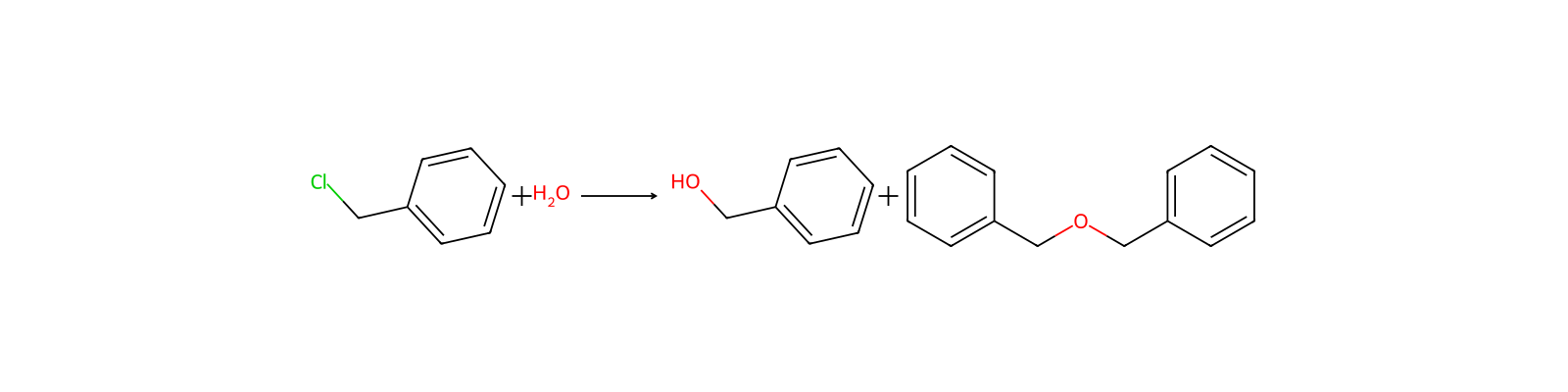
(a) By hydrolysis of benzyl chloride; (b) from benzaldehyde by catalytic reduction or Cannizzaro reaction.
Benzyl alcohol can be produced /by/ ... 1) the hydrolysis of benzyl chloride and 2) the hydrogenation of benzaldehyde.
The hydrogenation of methyl benzoate in the presence of a copper-chromium catalyst is a feature of a three-step process for the production of benzyl alcohol from toluene. The first step is the oxidation of toluene to form benzoic acid. The acid is esterified with methanol in the second step. The hydrogenation of methyl benzoate to form benzyl alcohol is performed in the final step.
Other processes for the production of benzyl alcohol include the hydrogenation of benzoic acid, the electrochemical reduction of benzoic acid, the hydrolysis of benzylsulfonic acid, and the decarboxylation of benzyl formate. These processes have no importance in the industrial production of benzyl alcohol, but they may be used to produce derivatives substituted on the aromatic nucleus.
For more Methods of Manufacturing (Complete) data for BENZYL ALCOHOL (7 total), please visit the HSDB record page.
Formulations/Preparations
Grades: free from chlorine (FFC); technical; NF (National Formulary); textile; photographic reagent; FCC.
Euxyl K 100
Pure, photo, pharmaceutical, and perfume grades, 99% min purity, liquid form
Bacteriostatic Water for Injection, USP is a sterile, nonpyrogenic preparation of water for injection containing 0.9% (9 mg/mL) of benzyl alcohol added as a bacteriostatic preservative. /Bacteriostatic Water for Injection/
Household Products
Cosmetics product ingredient: Benzyl alcohol
Information on 904 consumer products that contain Benzyl alcohol in the following categories is provided:
Use Classification
EPA Safer Chemical Functional Use Classes -> Preservatives and Antioxidants;Specialized Industrial Chemicals
Safer Chemical Classes -> Yellow triangle - The chemical has met Safer Choice Criteria for its functional ingredient-class, but has some hazard profile issues
Food additives
Fragrance Ingredients
Flavouring Agent -> FLAVOURING_AGENTFood Additives -> CARRIER_SOLVENT -> JECFA Functional Classes
Flavoring Agents -> JECFA Flavorings Index
General Manufacturing Information
Printing and Related Support Activities
Benzenemethanol: ACTIVE
Benzyl alcohol was granted GRAS status by Flavor and Extract Manufacturers' Association (1965).
Virucidal agent in lotions
応用分野
解説ベンジルアルコール,天然には,ジャスミン,イランイラン,アカシアなどの多くの花精油中に遊離または酢酸,安息香酸,ケイ皮酸などのエステルの形で存在している.合成するには,塩化ベンジルを加水分解するか,ベンズアルデヒドの還元やカニッツァーロ反応によってつくることができる.芳香をもつ液体.融点-15.3 ℃,沸点206 ℃.d4151.0493.nD151.5426.アルコール系およびベンゼン系の多くの有機溶媒に可溶,水に微溶.空気中の酸素で徐々に酸化され,ベンズアルデヒドを経て安息香酸を生じる.化粧品やせっけん用の香料として用いられるほか,保留剤として,ジャスミン,その他香料の調合など,香料工業において広く使われる.局所麻酔性,防腐性があるので,注射剤の調整にも利用される.
用途有機合成研究用、医薬品、香料及び化粧品原料。
用途香粧品、石けん用香料として用いられ、ことにジャスミン、ガーデニア、ツベローズなどの人造花精油の調合に使用される。また保留剤、溶剤、希釈剤、エステル原料としても重要である。
用途化粧品、石鹸用香料
用途吸光分析、ケトン及びアルデヒド分析、医薬品原料。
用途ベンジル誘導体原料、医薬品添加剤(殺菌剤)、溶剤、塗料?インキ?エポキシ樹脂溶剤,合成繊維染色助剤,医薬?化粧品防腐剤
説明Benzyl alcohol is a component catalyst for epoxy resins. It is also contained in the color developer C-22.
天然物の起源The free alcohol is often present in several essential oils and extracts of jasmine, tobacco, tea, neroli, copaiba, Acacia farnesiana Willd., Acacia cavenia Hook. and Arn., Robinia pseudacacia, ylang-ylang, Pandanus odoratissimus, Michelia champaca, Prunus laurocerasus, tuberose, orris, castoreum, violet leaves, clove buds and others. Also found in fresh apple, apricot, mandarin peel oil, high bush blueberry, raspberry, strawberry fruit, American cranberry and cooked asparagus.
来歴LIEBIG and WO¨HLER first prepared benzyl alcohol from bitter almond oil (benzaldehyde) in 1832. The structure of benzyl alcohol was determined in 1853 by CANNIZZARO. CANNIZZARO used the reaction named after him, in which benzaldehyde is disproportionated into benzoic acid and benzyl alcohol through the action of an alkali.
使用benzyl alcohol is a preservative against bacteria, used in concentrations of 1 to 3 percent. It can cause skin irritation.
一般的な説明A clear colorless liquid with a pleasant odor. Slightly denser than water. Flash point 194°F. Boiling point 401°F. Contact may irritate skin, eyes, and mucous membranes. May be slightly toxic by ingestion. Used to make other chemicals.
調製方法
製造方法Benzyl alcohol is prepared commercially by the distillation of benzyl chloride with potassium or sodium carbonate. It may also be prepared by the Cannizzaro reaction of benzaldehyde and potassium hydroxide.
純化方法It is usually purified by careful fractional distillation under reduced pressure in the absence of air. Benzaldehyde, if present, can be detected by UV absorption at 283nm. It has also been purified by shaking with aqueous KOH and extracting with peroxide-free diethyl ether. After washing with water, the extract is treated with saturated NaHS solution, filtered, washed, dried with CaO and distilled under reduced pressure [Mathews J Am Chem Soc 48 562 1926]. Peroxy compounds can be removed by shaking with a solution of Fe2+ followed by washing the alcohol layer with distilled water and fractionally distilling it. [Beilstein 6 IV 2222.]
上流・下流製品情報
上流原料
下流製品
サプライヤー50 社
国药集团化学试剂有限公司86-21-63210123 · [email protected]
北京华美互利生物化工010-56205725 · [email protected]
梯希爱(上海)化成工业发展有限公司021-67121386 · [email protected]
上海阿拉丁生化科技股份有限公司400-6206333 13167063860 · [email protected]
上海迈瑞尔生化科技有限公司4006356688 18621169109 · [email protected]
天津中信凯泰化工有限公司022-66880623 · [email protected]
阿法埃莎(中国)化学有限公司400-6106006 · [email protected]
安耐吉化学&3A(安徽泽升科技股份有限公司)400-0056266 · [email protected]
上海瀚鸿科技股份有限公司021-54306202 13764082696 · [email protected]
吉良化学21-62165282 · [email protected]
上海景颜化工科技有限公司13817811078 · [email protected]
上海泰坦科技股份有限公司400-6009262 15618770481 · [email protected]
MedChemexpress LLC021-58955995 · [email protected]
合肥天健化工有限公司551-65418679 15856988503;15837135945 · [email protected]
武汉丰泰威远科技有限公司027-87465837 19945049750 · [email protected]
南京蓝白化工有限公司025-85499326 15366059326;13813836665 · [email protected]
济南精合医药科技有限公司0531-88811783 · [email protected]
山东西亚化学有限公司13355009207 13355009207 · [email protected]
玛雅试剂+86 (573) 82222445 (0)18006601000 452520369 · [email protected]
四川库利南科技有限公司400-1166-196 18981987031 · [email protected]
天津希恩思生化科技有限公司400 638 7771 · [email protected]
Connect Chemicals GmbH+49 2102 2077 19 · [email protected]
武汉华邦化学新材料有限公司027-83229541 13971313286 · [email protected]
斯百全化学(上海)有限公司021-021-021-67601398-809-809-809 15221380277 · [email protected]
北京泰亚杰科技有限公司021-33690831-8001 13552411790;18616022633 · [email protected]
艾科试剂4008-755-333 18080918076 · [email protected]
青岛保税区鲁联国际贸易有限公司0532-83893697 18561902820 · [email protected]
深圳菲斯生物科技有限公司0755-83725681-603
上海思域化工科技有限公司86-21-34053660 · [email protected]
赛默飞世尔科技(中国)有限公司800-810-5118 · [email protected]
北京伊诺凯科技有限公司400-810-7969 010-59572699 · [email protected]
上海健超生物科技有限公司150-2103-5486 18017383231 · [email protected]
TCI AMERICA800-4238616 · [email protected]
TOKYO CHEMICAL INDUSTRY CO., LTD.03-36680489 · [email protected]
TCI Europe320-37350700 · [email protected]
深圳振强药物研发有限公司0755-66853366 13670046396 · [email protected]
南京生利德生物科技有限公司025-57798810 18652991625 · [email protected]
深圳市石金谷科技有限公司(0086)755-61930359 (0086)18038192047 · [email protected]
重庆卡兰医药有限公司023-62879767 · [email protected]
北京环宇世纪化学科技有限公司hysj_bj.com
上海将来实业股份有限公司400-0066400 13621662912 · [email protected]
上海将来实业股份有限公司021-61552785 · [email protected]
天津阿尔塔科技有限公司022-65378550-8551 · [email protected]
HBCChem, Inc.+1-510-219-6317 · [email protected]
日照力德士化工有限公司010-51268198 · [email protected]
美岚实业(上海)有限公司021-58958189 · [email protected]
上海石洋化工有限公司021-56795766 · [email protected]
上海爱蝶实业有限公司021-58957966 18930537195 · [email protected]
成都零六生物科技有限公司400-1166-196 13458535857 · [email protected]
广拓化学(上海)有限公司021-60899189-8001 18918189673 · [email protected]
補足説明
定義本品は、次の化学式で表される芳香族アルコールである。
定義ChEBI: Benzyl alcohol is an aromatic alcohol that consists of benzene bearing a single hydroxymethyl substituent. It has a role as a solvent, a metabolite, an antioxidant and a fragrance.
関連反応
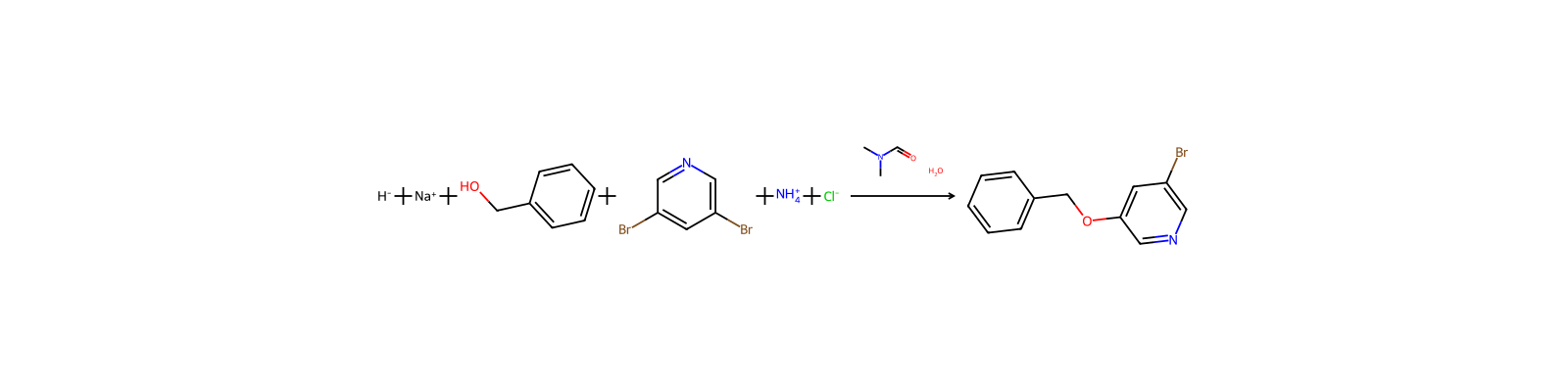
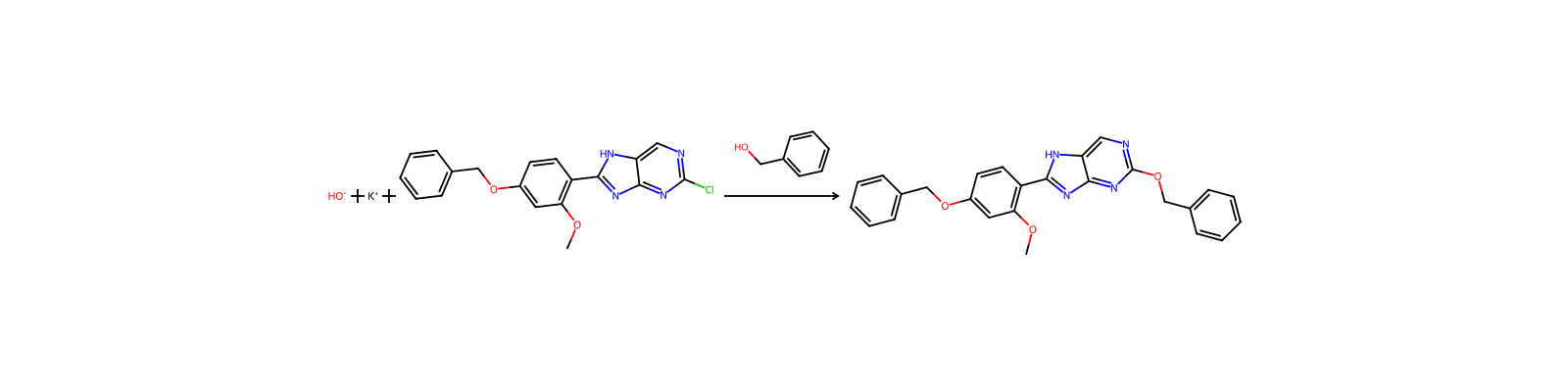
3,199 件


関連ノート
読み込み中…