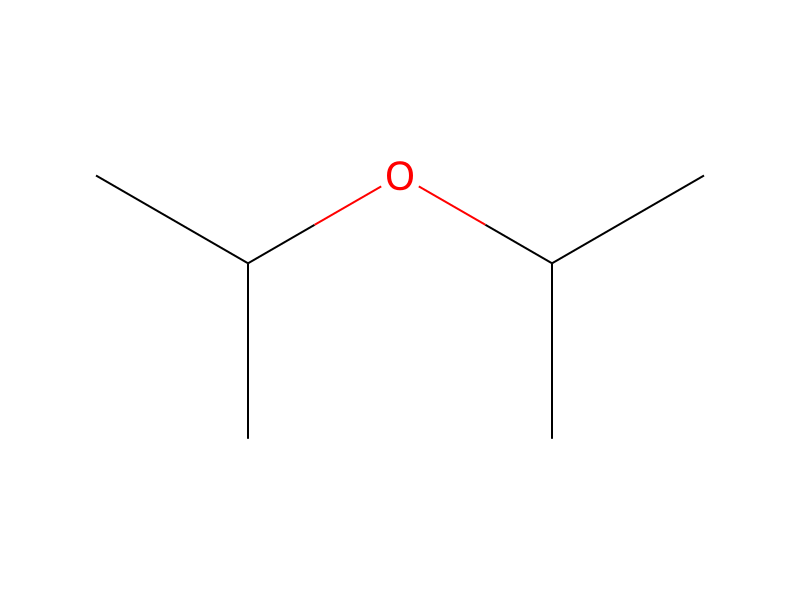
[Cl:1][CH2:2][C:3]1[CH2:7][CH:6]([C:8]2[CH:13]=[CH:12][CH:11]=[CH:10][CH:9]=2)[O:5][N:4]=1.[Cl:14][C:15]1[CH:20]=[CH:19][C:18]([C:21]2([OH:27])[CH2:26][CH2:25][NH:24][CH2:23][CH2:22]2)=[CH:17][CH:16]=1.C(=O)([O-])[O-].[K+].[K+].Cl>C(OC(C)C)(C)C.C(O)C>[ClH:1].[C:8]1([CH:6]2[O:5][N:4]=[C:3]([CH2:2][N:24]3[CH2:23][CH2:22][C:21]([C:18]4[CH:19]=[CH:20][C:15]([Cl:14])=[CH:16][CH:17]=4)([OH:27])[CH2:26][CH2:25]3)[CH2:7]2)[CH:13]=[CH:12][CH:11]=[CH:10][CH:9]=13-Chloromethyl-5-phenyl-4,5-dihydroisoxazole (5.87 g), 6.3 g of 4-(4-chlorophenyl)-4-hydroxypiperidine, 4 g of potassium carbonate and 50 ml of ethanol are heated to 60°-70° C. with stirring for 6 hours. The reaction mixture is filtered and the filtrate is condensed by distillation under reduced pressure. To the residue are added 200 ml of ethyl acetate and 100 ml of water. The organic layer is separated off, washed with water, dried on magnesium sulfate and evaporated under reduced pressure. The residue thus obtained is dissolved in isopropyl ether and alcoholic hydrochloric acid is added to the solution. The crystals thus formed are filtered and then recrystallized from isopropyl alcohol, giving 1-(5-phenyl-4,5-dihydroisoxazol-3-ylmethyl)-4-(4-chlorophenyl)-4-hydroxypiperidine hydrochloride. Melting point: 175°-176° C. (decomposition)