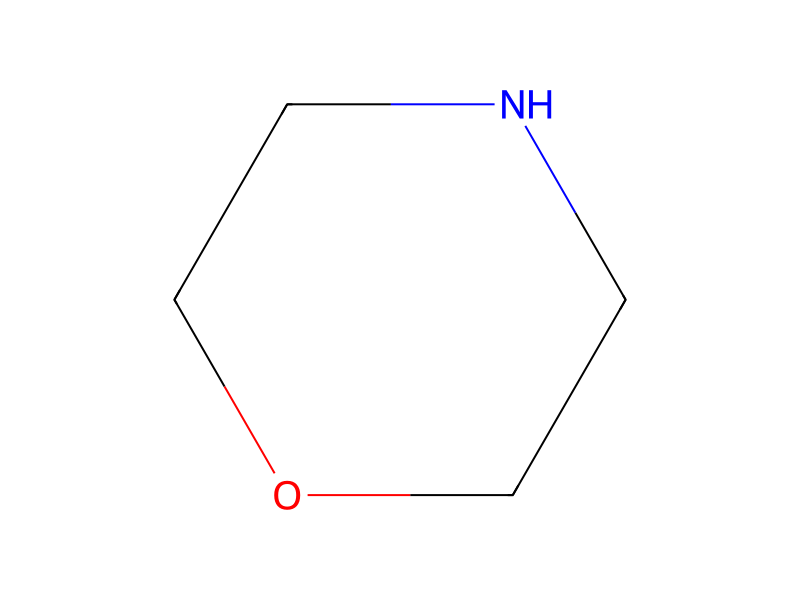
[CH3:1][C:2]1[CH:7]=[CH:6][C:5]([CH:8]=[CH:9][C:10](=[O:12])[CH3:11])=[CH:4][CH:3]=1.[CH2:13]=O.[NH:15]1[CH2:20][CH2:19][O:18][CH2:17][CH2:16]1.[ClH:21]>C(O)C.CC(C)=O>[ClH:21].[CH3:1][C:2]1[CH:7]=[CH:6][C:5](/[CH:8]=[CH:9]/[C:10](=[O:12])[CH2:11][CH2:13][N:15]2[CH2:20][CH2:19][O:18][CH2:17][CH2:16]2)=[CH:4][CH:3]=18 g (0.05 mole) of 4-(4-methylphenyl)-3-buten-2-one (prepared analogously to the intermediates for the foregoing examples), 2 g (a 30% excess) of paraformaldehyde and 4.35 g (0.05 mole) of morpholine are dissolved in a mixture of ethanol (60 ml) and concentrated HCl (6 ml). The mixture is heated at reflux temperature for 18 hours. The mixture is then cooled to room temperature and diluted with acetone to a volume of 250 ml. The solution is chilled overnight. It is then concentrated to a volume of about 25 ml. The residue is triturated with ethyl alcohol. The insoluble material is filtered and recrystallized from ethyl alcohol/methyl alcohol. The resultant crystals are filtered and vacuum dried overnight, yielding 3.3 g of (E)-1-(4-methylphenyl)-5-(4-morpholinyl)-1-penten-3-one hydrochloride; m.p. 188°-190° C.