Acetohydrazide → 3-Methyl-6-(2-furyl)-1,2,4-triazolo[4,3-b]pyridazine
HRID 443516
反応式

[O:1]1[CH:5]=[CH:4][CH:3]=[C:2]1[C:6]1[CH2:7][CH2:8][C:9](=O)[NH:10][N:11]=1.Cl[C:14]1[N:15]=[N:16]C(C2OC=CC=2)=C[CH:19]=1.C(NN)(=O)C>C(O)CCC>[CH3:19][C:14]1[N:10]2[N:11]=[C:6]([C:2]3[O:1][CH:5]=[CH:4][CH:3]=3)[CH:7]=[CH:8][C:9]2=[N:16][N:15]=1参加物
5


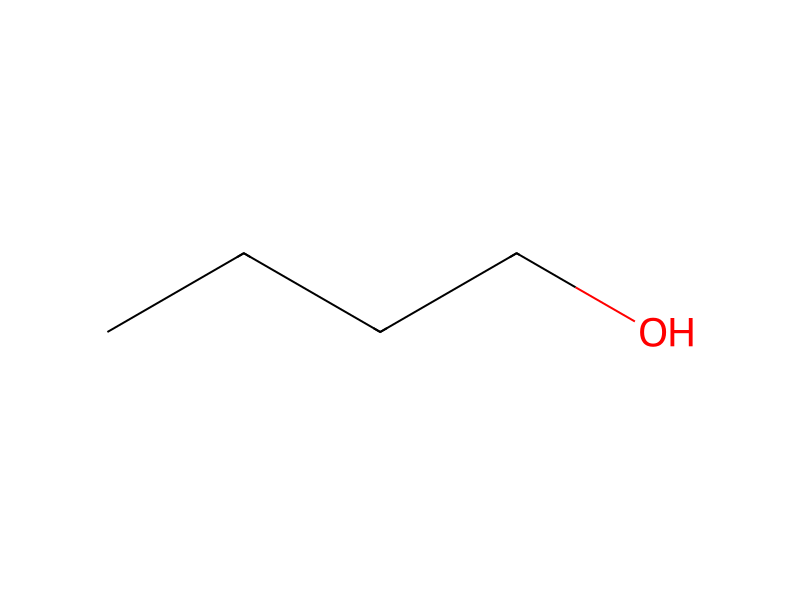
実験手順
As for Example 5, 4,5-dihydro-6-(2-furyl)-3(2H)-pyridazinone is converted to 3-chloro-6-(2-furyl)pyridazine. A 1.5 g. sample of the preceding compound, 1.2 g. of acethydrazide in 50 ml. of n-butyl alcohol is refluxed for 48 hours. The solvent is removed under reduced pressure and the residue is partitioned between dichloromethane and dilute sodium hydroxide. The dichloromethane layer is washed with water, dried over magnesium sulfate, filtered and concentrated. The residue is purified by conventional means to give the product of the Example.