反応式

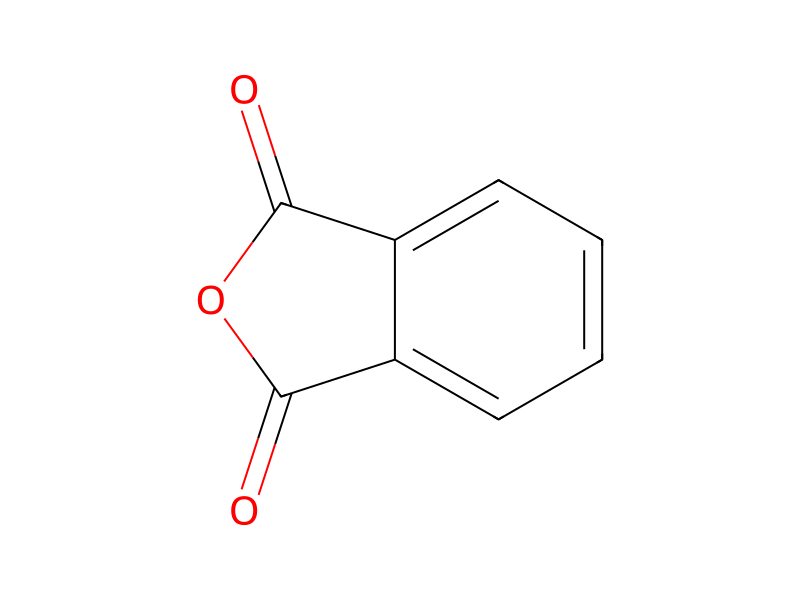
C1C2C(=CC=CC=2)C=NN=1.[C:11]1(=O)[O:16][C:14](=[O:15])[C:13]2=[CH:17][CH:18]=[CH:19][CH:20]=[C:12]12.[CH3:22][N:23]([CH3:25])[NH2:24]>>[CH3:22][N:23]([CH3:25])[N:24]1[C:14](=[O:15])[C:13]2[C:12](=[CH:20][CH:19]=[CH:18][CH:17]=2)[C:11]1=[O:16]参加物



実験手順
Phthalazine derivatives of formula IA were prepared as described in FIG. 8 and as further detailed in Example 4. The commercially available phthalic anhydride was reacted with N,N-dimethyl hydrazine to give 2-(dimethylamino)isoindoline-1,3-dione 16 in good yield [Hanefeld W et al. J Heterocyclic Chem. 1996;33:1443]. Then, 16 was reacted with phenylmagnesium bromide, to lead to the intermediate 17 in good yield [Deniau E et al. Tetrahedron: Asym. 2003;14:2253], which in turn was quantitatively converted by reaction with hydrazine to 4-phenylphthalazin-1(2H)-one 18 [Saito Y et al. Synthesis 2001;2:221]. Finally, the N-amidation product 19 (Compound I) was the major product obtained in good yield whatever the experimental conditions. Two different carbamoyl chlorides were used (R1=CH3—compound 19a; and i-Pr—compound 19b) for the preparation of phthalazine derivatives. (FIG. 8).
後処理
- customwere prepared
出典と根拠
- ORDレコード
- ord-e6beb69dbb6f4735b51a0a26e46f4823
- 出典データセット
- uspto-grants-2013_09
- 特許番号
- US08541428B2
関連ノート
読み込み中…