反応式

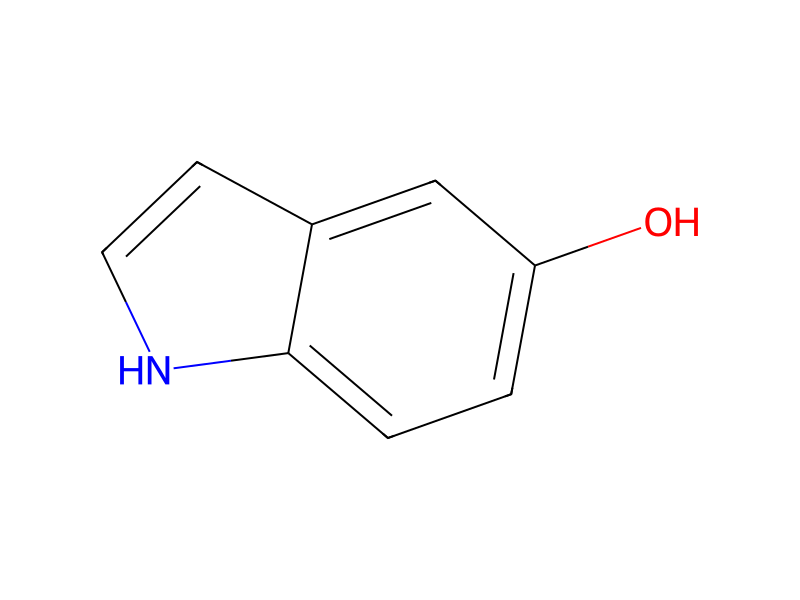
Cl[C:2]1[C:11]2[C:6](=[CH:7][C:8]([O:14][CH2:15][CH2:16][CH2:17][N:18]3[CH2:23][CH2:22][CH2:21][CH2:20][CH2:19]3)=[C:9]([O:12][CH3:13])[CH:10]=2)[N:5]=[CH:4][N:3]=1.[OH:24][C:25]1[CH:26]=[C:27]2[C:31](=[CH:32][CH:33]=1)[NH:30][CH:29]=[CH:28]2>>[NH:30]1[C:31]2[C:27](=[CH:26][C:25]([O:24][C:2]3[C:11]4[C:6](=[CH:7][C:8]([O:14][CH2:15][CH2:16][CH2:17][N:18]5[CH2:23][CH2:22][CH2:21][CH2:20][CH2:19]5)=[C:9]([O:12][CH3:13])[CH:10]=4)[N:5]=[CH:4][N:3]=3)=[CH:33][CH:32]=2)[CH:28]=[CH:29]1参加物
3


実験手順
Using an analogous procedure to that described in Example 67, 4-chloro-6-methoxy-7-(3-piperidinopropoxy)quinazoline (100 mg), (prepared as described for the starting material in Example 67), was reacted with 5-hydroxyindole (48 mg, 0.36 mmol) to give 4-(indol-5-yloxy)-6-methoxy-7-(3-piperidinopropoxy)quinazoline (57 mg, 45%).
後処理
- custom(prepared
出典と根拠
- ORDレコード
- ord-303593c4d770439299460059c65a4648
- 出典データセット
- uspto-grants-2013_07
- 特許番号
- US08492560B2
関連ノート
読み込み中…