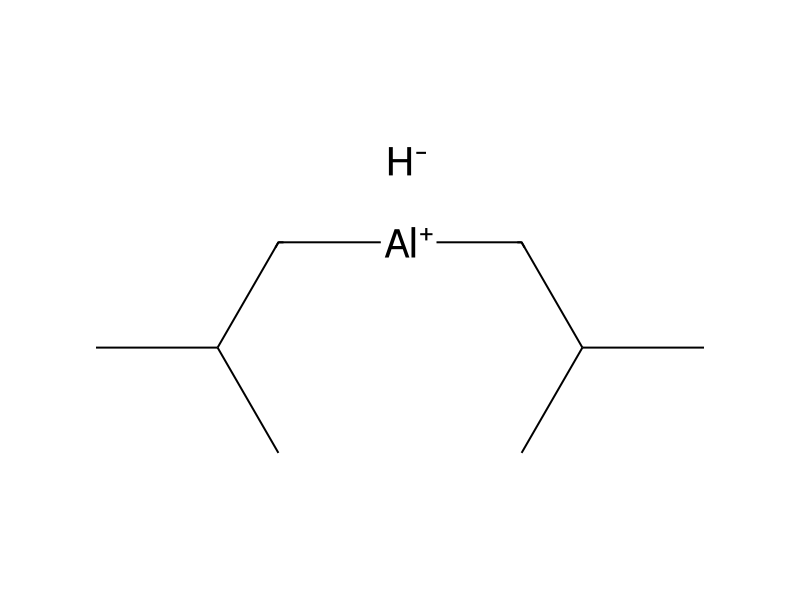
[Br:1][C:2]1[CH:3]=[C:4]2[C:15](=[CH:16][CH:17]=1)[O:14][C:7]1[C:8]([F:13])=[N:9][C:10]([Cl:12])=[CH:11][C:6]=1[C:5]2([CH2:19][C:20](OC(C)(C)C)=[O:21])[OH:18].[H-].C([Al+]CC(C)C)C(C)C>C1COCC1>[Br:1][C:2]1[CH:3]=[C:4]2[C:15](=[CH:16][CH:17]=1)[O:14][C:7]1[C:8]([F:13])=[N:9][C:10]([Cl:12])=[CH:11][C:6]=1[C:5]2([CH2:19][CH2:20][OH:21])[OH:18]A solution of tert-butyl 2-(7-bromo-3-chloro-1-fluoro-5-hydroxy-5H-chromeno[2,3-c]pyridin-5-yl)acetate (66 g, 148 mmol) in THF (200 mL) was cooled to −78° C. followed by the drop wise addition of diisobutylaluminum hydride (1.0 M solution in THF; 180 ml, 180 mmol). The resulting reaction mixture was cooled to 0° C. and stirred for 2 h. The reaction mixture was quenched with aqueous, saturated NH4Cl solution and extracted with EtOAc. The combined organics were dried over Na2SO4 and concentrated under reduced pressure. The obtained residue was purified by chromatography (0-50% EtOAc/hexanes) to afford 7-bromo-3-chloro-1-fluoro-5-(2-hydroxyethyl)-5H-chromeno[2,3-c]pyridin-5-ol (48 g, 128 mmol, 86% yield) as a light yellow solid.