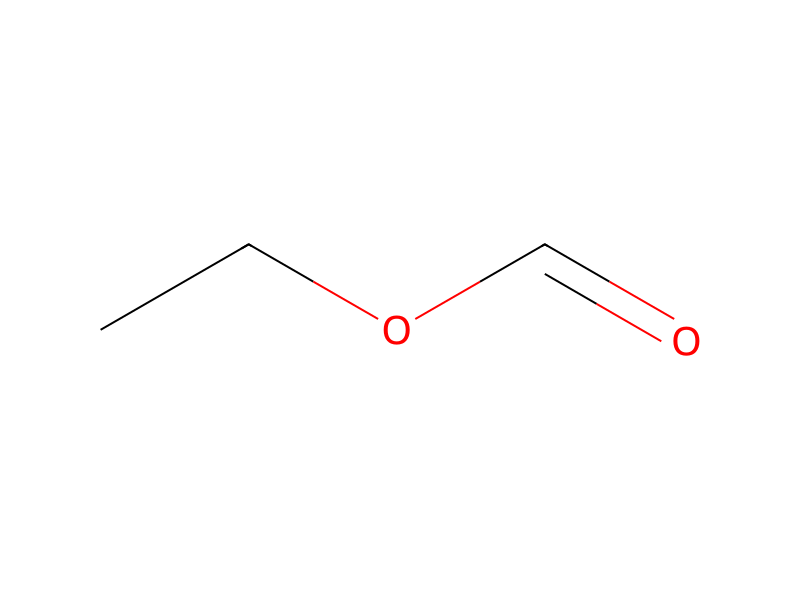
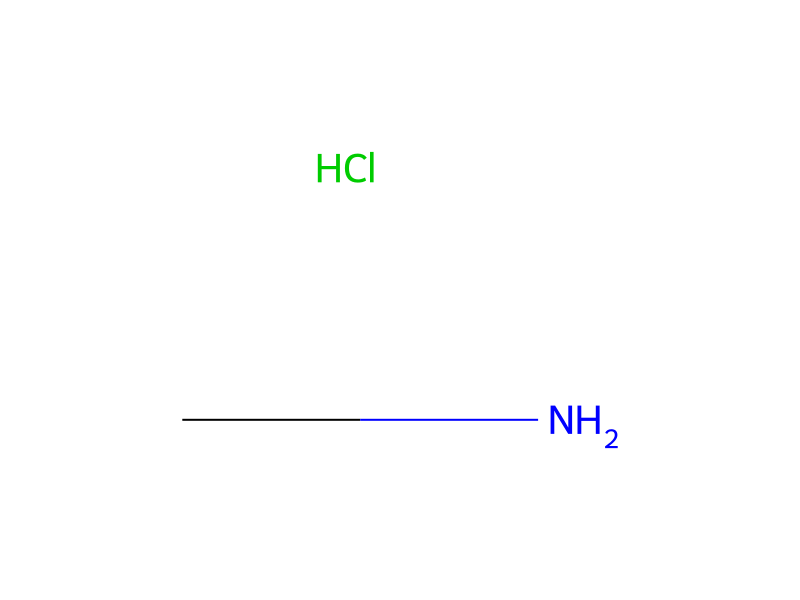
Ethyl formate → HCID 20317098、化合物
HRID 462013
反応式

ClC1C=C(CC(=O)CC2C=CC=C(Cl)C=2)C=CC=1.C(OCC)=O.Cl.CN.[Cl:27][C:28]1[CH:29]=[C:30]([C:34]2[C:39](=[O:40])[C:38]([C:41]3[CH:46]=[CH:45][CH:44]=[C:43]([Cl:47])[CH:42]=3)=[CH:37][N:36]([CH3:48])[CH:35]=2)[CH:31]=[CH:32][CH:33]=1.N1C=CC=CC1=O>>[Cl:47][C:43]1[CH:42]=[C:41]([CH:38]2[C:39](=[O:40])[CH:34]([C:30]3[CH:31]=[CH:32][CH:33]=[C:28]([Cl:27])[CH:29]=3)[CH2:35][N:36]([CH3:48])[CH2:37]2)[CH:46]=[CH:45][CH:44]=1