反応式

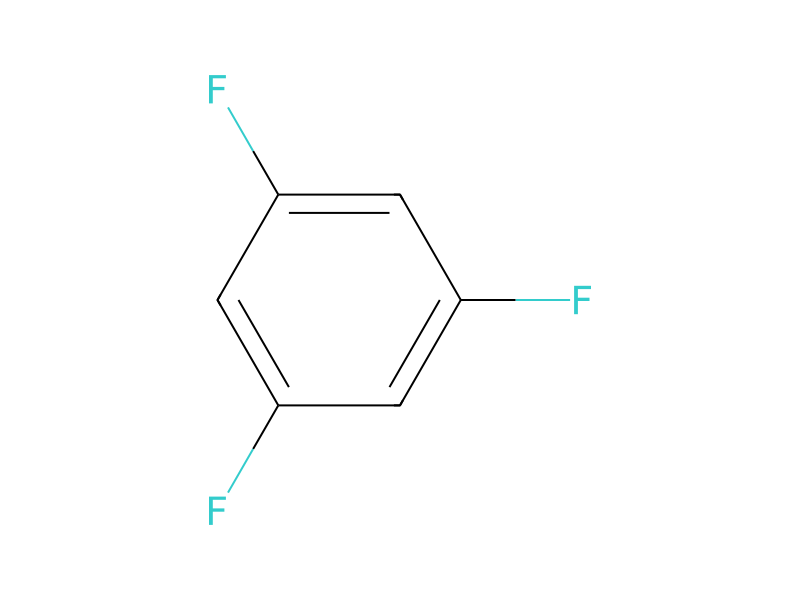
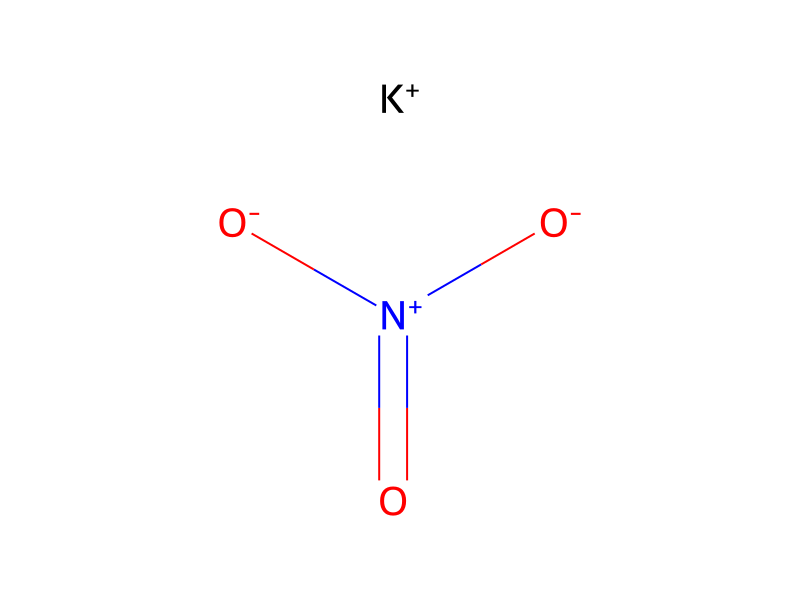
FC1C=C(F)C=C(F)C=1.[N+]([O-])([O-])=O.[K+].[F:15][C:16]1[C:21]([N+:22]([O-:24])=[O:23])=[C:20]([F:25])[C:19]([N+:26]([O-:28])=[O:27])=[C:18]([F:29])[C:17]=1[N+:30]([O-:32])=[O:31]>>[F:15][C:16]1[CH:21]=[C:20]([F:25])[C:19]([N+:26]([O-:28])=[O:27])=[C:18]([F:29])[C:17]=1[N+:30]([O-:32])=[O:31].[F:15][C:16]1[C:21]([N+:22]([O-:24])=[O:23])=[C:20]([F:25])[C:19]([N+:26]([O-:28])=[O:27])=[C:18]([F:29])[C:17]=1[N+:30]([O-:32])=[O:31]参加物


実験手順
The temperature must be carefully controlled during this process. During the addition of 1,3,5-trifluorobenzene, the potassium nitrate-fuming sulfuric acid mixture must be kept at a temperature in the range of from about 30° C. to about 50° C. The temperature is controlled by regulating the rate at which 1,3,5-trifluorobenzene is added to the potassium nitrate-fuming sulfuric acid mixture and also through external cooling of the reaction mixture. After the initial exothermic reaction is over, the reaction mixture is heated into the range of from about 140° C. to about 160° C. but preferably from 150° C. to 156° C. where it is maintained until the optimum or desired yield of 1,3,5-trifluoro-2,4,6-trinitrobenzene is obtained. If the reaction temperature is too high, the yield will be reduced through the decomposition of the product. On the other hand, if the reaction temperature is too low, 1,3,5-trifluoro-2,4-dinitrobenzene will be produced at the expense of the 1,3,5-trifluoro-2,4,6-trinitrobenzene.
後処理
- custommust be kept at a temperature in the range of from about 30° C. to about 50° C
- temperaturealso through external cooling of the reaction mixture
- customAfter the initial exothermic reaction
- temperatureis heated into the range of from about 140° C. to about 160° C. but preferably from 150° C. to 156° C. where it
- temperatureis maintained until the optimum
- customis obtained
- customthe yield will
出典と根拠
- ORDレコード
- ord-b2a4b6352dc0404dac9973aca4a28c6f
- 出典データセット
- uspto-grants-1979_11
- 特許番号
- US04173591
関連ノート
読み込み中…