Pivaloyl chloride → N-pivaloyl-L-alanyl-L-proline ethylamide
HRID 47044
反応式

Br.[CH2:2]([NH:4][C:5](=[O:16])[C@@H:6]1[CH2:10][CH2:9][CH2:8][N:7]1[C:11](=[O:15])[C@H:12]([CH3:14])[NH2:13])[CH3:3].[C:17](Cl)(=[O:22])[C:18]([CH3:21])([CH3:20])[CH3:19]>N1C=CC=CC=1>[CH2:2]([NH:4][C:5](=[O:16])[C@@H:6]1[CH2:10][CH2:9][CH2:8][N:7]1[C:11](=[O:15])[C@H:12]([CH3:14])[NH:13][C:17](=[O:22])[C:18]([CH3:21])([CH3:20])[CH3:19])[CH3:3]参加物
4
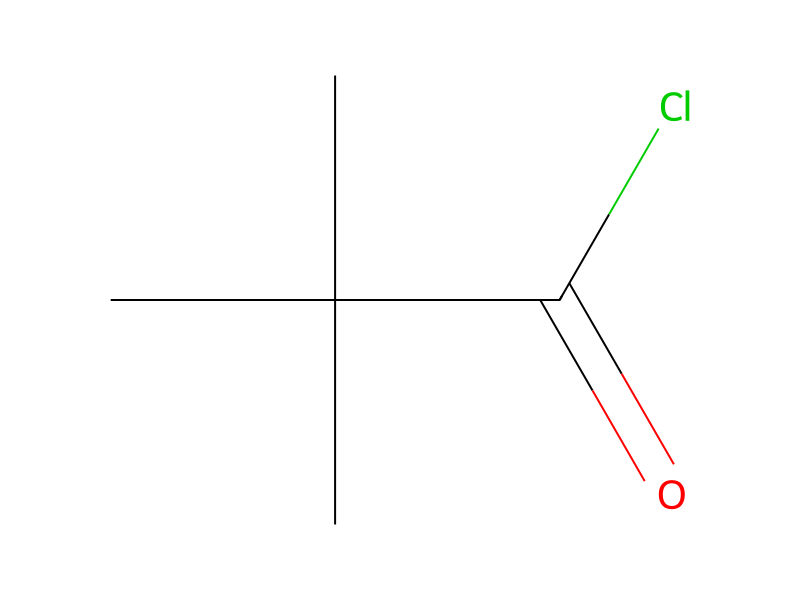



実験手順
1 g (0.0033 mol) of L-alanyl-L-proline ethylamide hydrobromide was dissolved in 20 ml of dry pyridine and 0.45 ml of pivaloyl chloride was added. The mixture was stirred for 1 hour at room temperature and then the pyridine was removed by evaporation. The oil was triturated with toluene, re-evaporated and then partitioned between chloroform and saturated brine. The chloroform layer was separated and dried over magnesium sulphate, filtered off and evaporated to a clear oil which crystallised on the addition of petrol. The solid was filtered off, washed with petrol and dried to yield 0.4 g (40%) of N-pivaloyl-L-alanyl-L-proline ethylamide of melting point 94°-96° C.