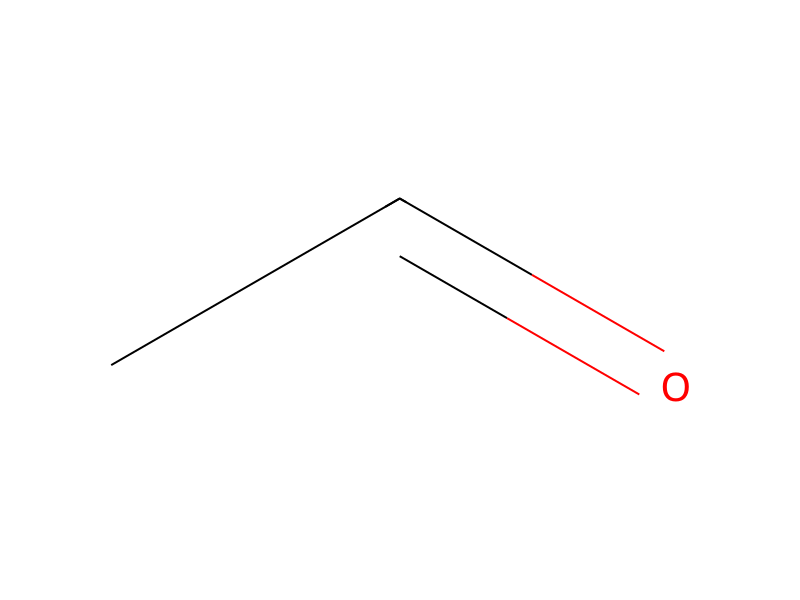
205 b) To a solution of 1-(3-nitro-phenyl)-piperazin-2-one (0.629 g, 2.84 mmol), acetaldehyde (0.20 mL, 3.6 mmol) and acetic acid (0.50 mL, 8.8 mmol) in methanol (10 mL) at room temperature was added solid Sodium cyanoborohydride (0.27 g, 4.3 mmol) in small portions. The mixture was stirred for 18 hours at room temperature. The mixture was evaporated and cold water was slowly added to the residue. The mixture was stirred for 15 minutes and then extracted with dichloromethane (3×20 mL). The combined organic layers were dried over magnesium sulfate, filtered and evaporated. The residue was purified via chromatography using an ISCO automated purification apparatus (silica gel column 40 g and 0%→5% methanol:dichloromethane). 4-Ethyl-1-(3-nitro-phenyl)-piperazin-2-one was isolated as a yellow-orange viscous oil (0.497 g, 70%). 1H NMR (400 MHz, CDCl3, δ, ppm): 8.21 (s, 1H), 8.13 (d, J=8.1 Hz, 1H), 7.74 (d, J=7.9 Hz, 1H), 7.57 (t, J=7.8 Hz, 1H), 3.81-3.76 (m, 2H), 3.37-3.33 (m, 2H), 2.89-2.84 (m, 2H), 2.60-2.53 (m, 2H), 1.20-1.14 (m, 3H).