反応式

[Cl:1][C:2](Cl)([O:7][C:8]1[CH:13]=[CH:12][C:11]([Cl:14])=[CH:10][CH:9]=1)[C:3]([F:6])([F:5])[F:4].[Sb](Cl)(Cl)(Cl)(Cl)Cl.[FH:22]>>[Cl:1][C:2]([F:22])([O:7][C:8]1[CH:13]=[CH:12][C:11]([Cl:14])=[CH:10][CH:9]=1)[C:3]([F:6])([F:5])[F:4]参加物


実験手順
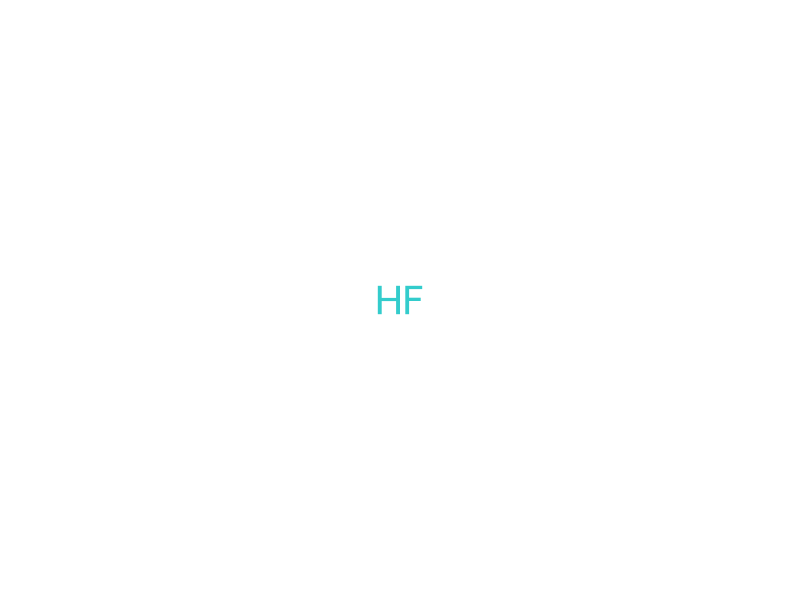
A 500 ml polytetrafluoroethylene reactor equipped with stirrer, thermometer and reflux condenser is charged with 55.9 g (0.2 mol) of 4-(1,1-dichloro-2,2,2-trifluoroethoxy)chlorobenzene in 100 ml of hydrogen fluoride. 3.0 g (0.01 mol; corresponding to 5 mol%) of antimony pentachloride are added at a temperature in the range from -5° C. to 0° C. The resultant hydrogen chloride is removed from the reactor through the reflux condenser. After 20 minutes at 0° C., the evolution of hydrogen chloride ceases. Excess hydrogen fluoride is removed by distillation, the residue is dissolved in 200 ml of methylene chloride and the solution is extracted with water. The organic phase is separated by distillation, affording 47.3 g (89.8% of theory) of 4-(1-chloro-1,2,2,2-tetrafluoroethoxy)chlorobenzene. Boiling point 181° C., nD25 =1.4362.
後処理
- customA 500 ml polytetrafluoroethylene reactor equipped with stirrer
- temperaturethermometer and reflux condenser
- customThe resultant hydrogen chloride is removed from the reactor through the reflux condenser
- customExcess hydrogen fluoride is removed by distillation
- dissolutionthe residue is dissolved in 200 ml of methylene chloride
- extractionthe solution is extracted with water
- customThe organic phase is separated by distillation
出典と根拠
- ORDレコード
- ord-30de9da655d044c9895a8b402380e49a
- 出典データセット
- uspto-grants-1988_02
- 特許番号
- US04727187
関連ノート
読み込み中…