ホームMCPワークベンチSkills
ホームワークベンチ通知マイページ
llms.txt · MCPガイドプライバシーポリシー · 利用規約 · サポートv1.8.3
  1. ホーム
  2. /反応

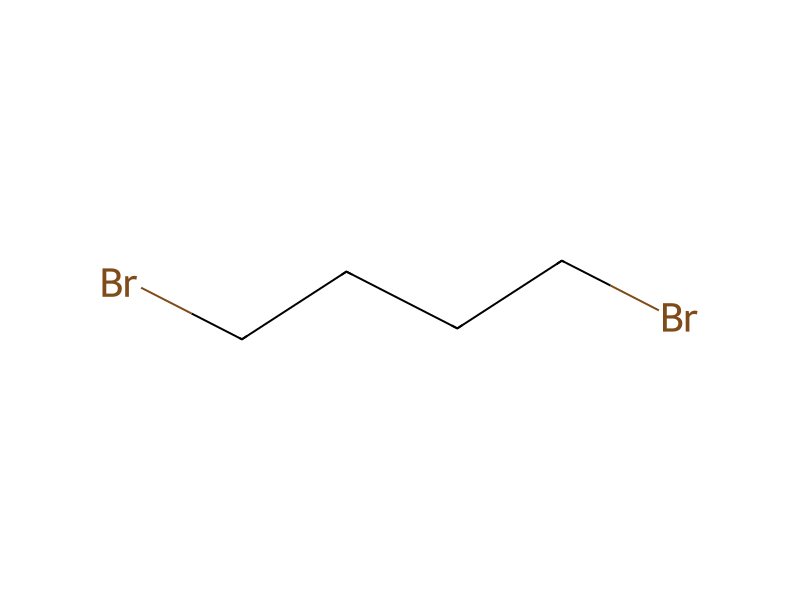
1,4-Dibromobutane → 6-Bromo-2-(4-isobutylphenyl)-2-methylhexanoic acid ethyl ester

HRID 47986
印刷

反応式

HRID 47986 の反応式
[CH2:1]([C:5]1[CH:10]=[CH:9][C:8]([CH2:11][C:12]([O:14][CH2:15][CH3:16])=[O:13])=[CH:7][CH:6]=1)[CH:2]([CH3:4])[CH3:3].[CH:17]([N-]C(C)C)(C)C.[Li+].[Br:25][CH2:26][CH2:27][CH2:28][CH2:29]Br>O1CCCC1>[CH2:15]([O:14][C:12](=[O:13])[C:11]([C:8]1[CH:7]=[CH:6][C:5]([CH2:1][CH:2]([CH3:4])[CH3:3])=[CH:10][CH:9]=1)([CH3:17])[CH2:29][CH2:28][CH2:27][CH2:26][Br:25])[CH3:16]
参加物反応条件実験手順後処理出典と根拠反応ノート

参加物

5

反応物 3

HCID 80561,4-DibromobutaneHCID 85037Ethyl 4-isobutylphenylacetateHCID 2724682Lithium diisopropylamide

生成物 1

HCID 114400816-Bromo-2-(4-isobutylphenyl)-2-methylhexanoic acid ethyl ester収率 87.6%

試薬・触媒・溶媒 1

HCID 8028Tetrahydrofuran溶媒

反応条件

温度
-78 °C

実験手順

Ethyl (4-isobutyl-phenyl)-acetate (10.5 g, 44.8 mmol) was dissolved in freshly distilled tetrahydrofuran (150 mL) and cooled to −78° C. Lithium diisopropylamide (2 N, 28 mL, 56 mmol) was added and the solution stirred for 1 hour at −78° C. under a nitrogen atmosphere. 1,4-Dibromobutane (25 mL, 37.5 g, 175 mmol) was then added drop-wise over 30 minutes. The solution was allowed to warm to room temperature over five hours. After stirring at room temperature for an additional 16 hours, the reaction was quenched with water (100 mL) and extracted with diethyl ether (2×100 mL). The ether was washed with 10% hydrochloric acid (2×100 mL), saturated sodium bicarbonate (100 mL) and water (100 mL). After drying with sodium sulfate (5 g), filtration and concentration, the product was purified by flash chromatography on silica gel (200 g), eluting with 5% ethyl acetate/hexanes. The product was then heated to 150° C. under vacuum (0.5 mm Hg) for 30 minutes to remove excess 1,4-dibromobutane. The reaction yielded 6-bromo-2-(4-isobutyl-phenyl)-2-methyl-hexanoic acid ethyl ester (14.49 g, 87.5% yield) as a clear, viscous oil. 1H NMR (300 MHz, CDCl3/TMS): δ (ppm): 7.19 (d, 2H, J=8.0 Hz), 7.08 (d, 2H, J=8.0 Hz), 4.11 (q, 2H, J=7.0 Hz), 3.35 (t, 2H, J=6.8 Hz), 2.43 (d, 2H, J=7.3 Hz), 2.10-1.92 (m, 1H), 1.92-1.78 (m, 4H), 1.53 (s, 3H), 1.40-1.28 (m, 2H), 1.17 (t, 3H, J=7.0 Hz), 0.88 (6H, J=6.8). 13C NMR (75 MHz, CDCl3/TMS): δ (ppm) 176.17, 141.12, 140.04, 129.14, 125.64, 60.77, 49.80, 44.99, 38.52, 33.51, 33.26, 30.22, 23.55, 22.69, 22.50, 14.19. HRMS (LSIMS, nba): Calcd. for C19H30O2Br (MH+): 369.1429, found: 369.1445.

後処理

  1. temperatureto warm to room temperature over five hours
  2. stirringAfter stirring at room temperature for an additional 16 hours
  3. customthe reaction was quenched with water (100 mL)
  4. extractionextracted with diethyl ether (2×100 mL)
  5. washThe ether was washed with 10% hydrochloric acid (2×100 mL), saturated sodium bicarbonate (100 mL) and water (100 mL)
  6. dry with materialAfter drying with sodium sulfate (5 g), filtration and concentration
  7. customthe product was purified by flash chromatography on silica gel (200 g)
  8. washeluting with 5% ethyl acetate/hexanes
  9. temperatureThe product was then heated to 150° C. under vacuum (0.5 mm Hg) for 30 minutes
  10. customto remove excess 1,4-dibromobutane

出典と根拠

ORDレコード
ord-4885d2e99586474d9c5e5f49ecf9d7a7
出典データセット
uspto-grants-2004_03
DOI
10.6084/m9.figshare.5104873.v1
特許番号
US06699910B2

反応ノート

このページの内容参加物反応条件実験手順後処理出典と根拠反応ノート
