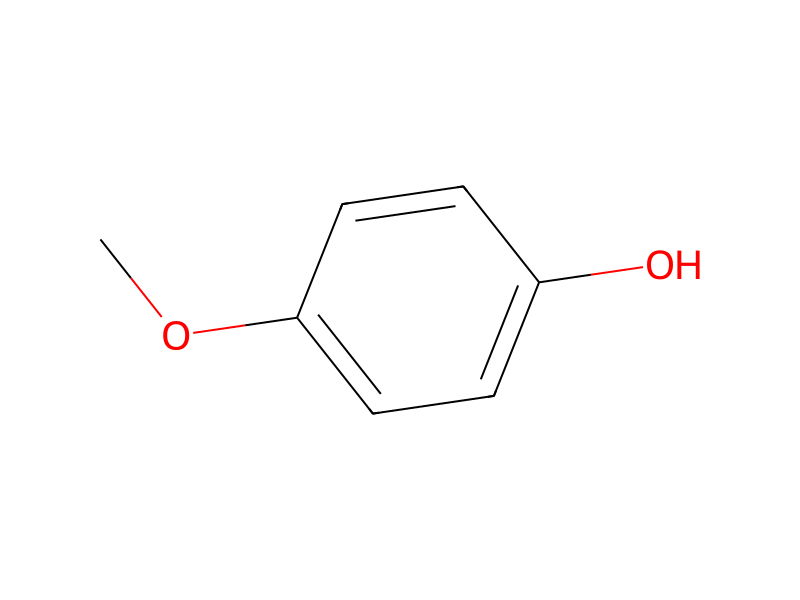
[N+](=[C:3]1[C:12](=[O:13])[C:11]2[C:6](=[CH:7][CH:8]=[C:9]([O:14][CH2:15][C:16]3[CH:21]=[CH:20][CH:19]=[CH:18][CH:17]=3)[CH:10]=2)[O:5][CH2:4]1)=[N-].[CH3:22][O:23][C:24]1[CH:29]=[CH:28][C:27]([OH:30])=[CH:26][CH:25]=1>C1(C)C=CC=CC=1.C(OCC)(=O)C.CC(O)=O.CC(O)=O.CC(O)=O.CC(O)=O.[Rh].[Rh]>[CH2:15]([O:14][C:9]1[CH:10]=[C:11]2[C:6](=[CH:7][CH:8]=1)[O:5][CH2:4][CH:3]([O:30][C:27]1[CH:28]=[CH:29][C:24]([O:23][CH3:22])=[CH:25][CH:26]=1)[C:12]2=[O:13])[C:16]1[CH:21]=[CH:20][CH:19]=[CH:18][CH:17]=1A solution of 76 g of 3-diazo-6-benzyloxy-4-chromanone and 76 g of p-methoxyphenol in 450 ml of toluene was heated to 110° C. in an oil bath. Rhodium (II) acetate dimer (225 mg) was added in one portion. After nitrogen evolution ceased (5 minutes), the reaction was allowed to cool to room temperature, diluted with ethyl acetate and washed with 10% sodium hydroxide to remove excess phenol. The organic layer was dried over sodium sulfate and evaporated in vacuo to give the crude product, which was purified by column chromatography on silica gel eluting with dichloromethane to give 5.5 g of present title product; mp 98°-100° C.; 1H-NMR (CDCl3) delta (ppm) 3.85(s, 3H), 4.45-4.65 (m, 2H), 5.0-5.2 (m, 3H), 6.5-7.6 (m, 12H)