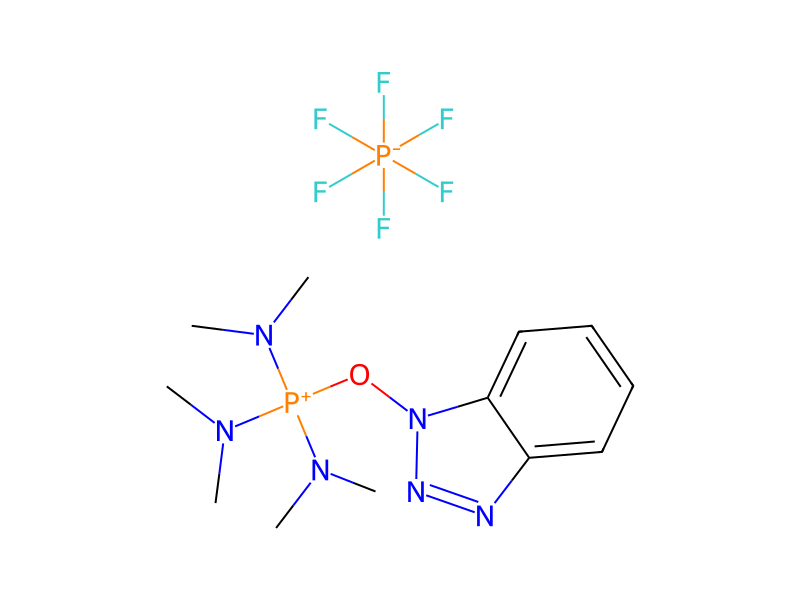
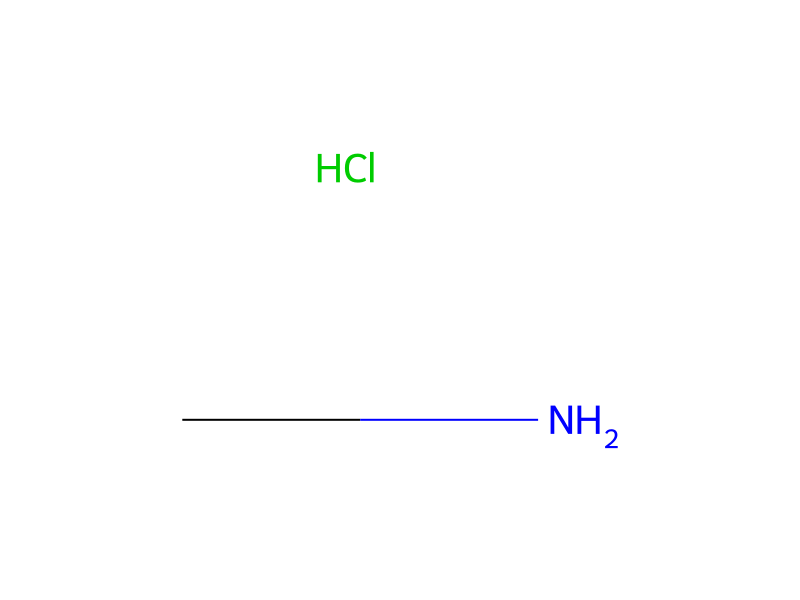
[CH:1]([N:14]1[CH2:17][CH:16]([C:18]([OH:20])=O)[CH2:15]1)([C:8]1[CH:13]=[CH:12][CH:11]=[CH:10][CH:9]=1)[C:2]1[CH:7]=[CH:6][CH:5]=[CH:4][CH:3]=1.[CH2:21]([N:23](CC)CC)C.F[P-](F)(F)(F)(F)F.N1(O[P+](N(C)C)(N(C)C)N(C)C)C2C=CC=CC=2N=N1.Cl.CN>CN(C)C=O>[CH3:21][NH:23][C:18]([CH:16]1[CH2:17][N:14]([CH:1]([C:8]2[CH:13]=[CH:12][CH:11]=[CH:10][CH:9]=2)[C:2]2[CH:7]=[CH:6][CH:5]=[CH:4][CH:3]=2)[CH2:15]1)=[O:20]To a solution of 1-benzhydrylazetidin-3-carboxylic acid (654 mg) in N,N-dimethylformamide (4.0 ml) were added triethylamine (1.0 ml), benzotriazol-1-yloxytris(dimethylamino)phosphonium hexafluorophosphate (1.63 g) and methylamine hydrochloride (248 mg), followed by stirring at room temperature for 61.5 hours. The reaction mixture was partitioned between ethyl acetate and water. The organic layer was washed with brine, and dried over anhydrous sodium sulfate. The organic layer was concentrated to give a residue, which was purified by silica gel column chromatography (eluent; ethyl acetate). Fractions containing the target compound were concentrated to provide the titled compound (509 mg, 74.1%) as yellow crystals.