Triethylamine → N-isopropyl-6-phenoxycarbonylamino-1,2,3,4-tetrahydrocarbazole
反応式

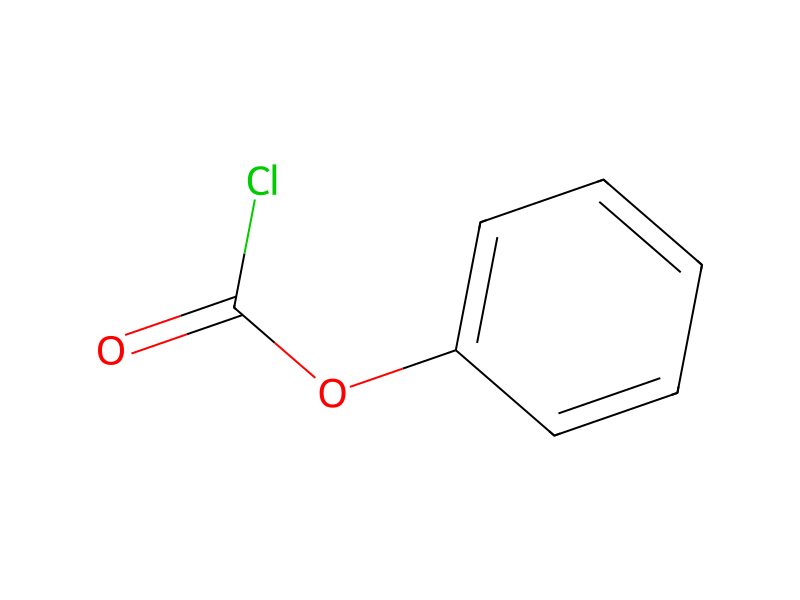
[CH:1]([N:4]1[C:16]2[CH2:15][CH2:14][CH2:13][CH2:12][C:11]=2[C:10]2[C:5]1=[CH:6][CH:7]=[C:8]([NH2:17])[CH:9]=2)([CH3:3])[CH3:2].C(N(CC)CC)C.Cl[C:26]([O:28][C:29]1[CH:34]=[CH:33][CH:32]=[CH:31][CH:30]=1)=[O:27]>ClCCl>[CH:1]([N:4]1[C:16]2[CH2:15][CH2:14][CH2:13][CH2:12][C:11]=2[C:10]2[C:5]1=[CH:6][CH:7]=[C:8]([NH:17][C:26]([O:28][C:29]1[CH:34]=[CH:33][CH:32]=[CH:31][CH:30]=1)=[O:27])[CH:9]=2)([CH3:3])[CH3:2]参加物
5




実験手順
The N-isopropyl-6-amino-1,2,3,4-tetrahydrocarbazole (9.84 g) and 5.05 g of triethylamine were dissolved in 100 mL of dichloromethane, and added dropwise with 7.85 g of phenyl chloroformate. The reaction mixture was stirred at room temperature for 3 hours, then washed with 10% aqueous citric acid and then with saturated aqueous sodium hydrogencarbonate, and dried over anhydrous sodium sulfate. After the solvent was evaporated under reduced pressure, the residue was purified by silica gel chromatography (eluent: hexane/ethyl acetate=8/2) and recrystallized from a mixture of hexane and ethyl acetate, to obtain 2.27 g of N-isopropyl-6-phenoxycarbonylamino-1,2,3,4-tetrahydrocarbazole.