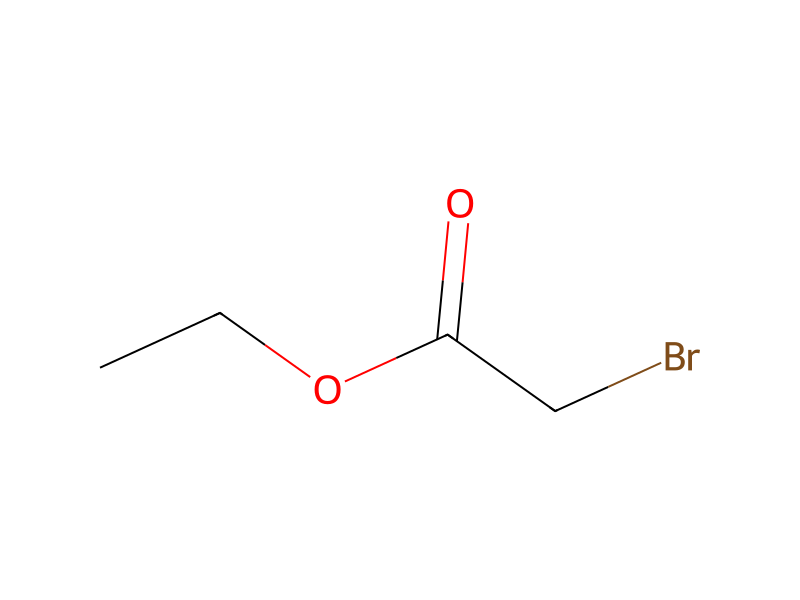
[NH2:1][C:2]1[CH:3]=[N:4][C:5]([C:8]2[CH:13]=[CH:12][C:11]([O:14][CH2:15][C:16]3[CH:21]=[CH:20][CH:19]=[CH:18][CH:17]=3)=[C:10]([C:22]34[CH2:31][CH:26]5[CH2:27][CH:28]([CH2:30][CH:24]([CH2:25]5)[CH2:23]3)[CH2:29]4)[CH:9]=2)=[N:6][CH:7]=1.C([O-])([O-])=O.[K+].[K+].Br[CH2:39][C:40]([O:42][CH2:43][CH3:44])=[O:41]>CC(C)=O>[C:22]12([C:10]3[CH:9]=[C:8]([C:5]4[N:6]=[CH:7][C:2]([NH:1][CH2:39][C:40]([O:42][CH2:43][CH3:44])=[O:41])=[CH:3][N:4]=4)[CH:13]=[CH:12][C:11]=3[O:14][CH2:15][C:16]3[CH:21]=[CH:20][CH:19]=[CH:18][CH:17]=3)[CH2:23][CH:24]3[CH2:30][CH:28]([CH2:27][CH:26]([CH2:25]3)[CH2:31]1)[CH2:29]2To a suspension of 5-amino-2-[3-(1-adamantyl)-4-benzyloxyphenyl]pyrimidine (49 mg, 0.12 mmol) and K2CO3 (69 mg, 0.50 mmol) in acetone (5 mL) was added ethyl bromoacetate (53 μl, 0.48 mmol). The mixture was heated at reflux under argon for 19 h and cooled to room temperature. After removal of acetone at reduced pressure, the residue was diluted with water (8 mL) and extracted with EtOAc (60 mL). The extract was washed (H2O and brine) and dried. After solvent removal at reduced pressure, the residue was chromatographed (14% EtOAc/hexane) to give 53 mg (89%) of 2-[3-(1-adamantyl)-4-benzyloxyphenyl]-5-(carbethoxymethylamino)pyrimidine as a pale-tan solid, mp 153-156° C. IR 3455, 2901, 1710, 1179 cm−1; 1H NMR (CDCl3) δ 1.33 (t, J=7.2 Hz, 3H, OCH2CH3), 1.75 (bs, 6H, AdCH2), 2.07 (bs, 3H, AdCH), 2.24 (m, 6H, AdCH2), 4.31 (q, J=7.2 Hz, 2H, OCH2CH3), 4.60 (m, 1H, NH), 4.73 (s, 2H, NHCH2CO), 5.20 (s, 2H, C6H5CH2), 7.03 (d, J=8.4 Hz, 1H, 5′-ArH), 7.32-7.55 (m, 5H, C6H5), 8.17 (dd, J=8.4 Hz, 2.1 Hz, 1H, 6′-ArH), 8.32 (d, J=2.1 Hz, 1H, 2′-ArH), 8.46 ppm (s, 2H, 4-ArH, 6-ArH). HRMS calcd C31H35N3O3 [M+H]+ 498.2757. found 498.2762.