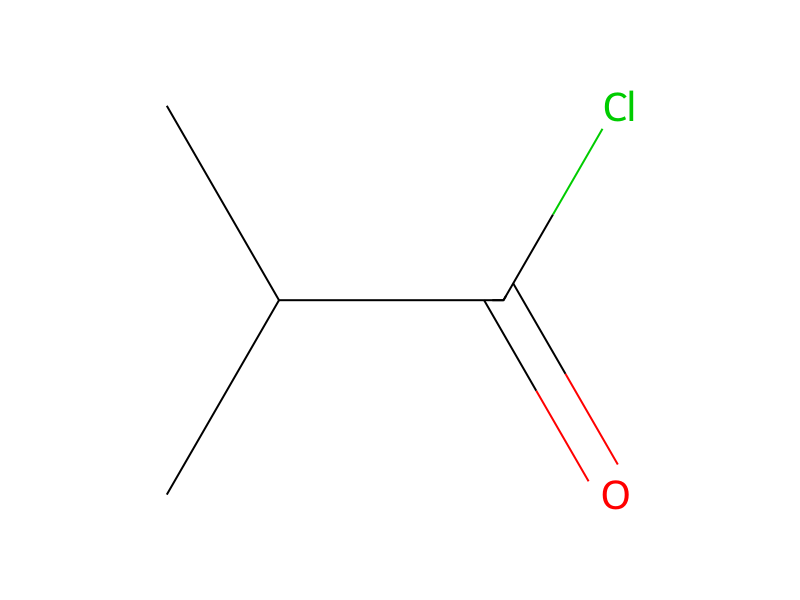
Isobutyryl chloride (1.8 g) was added dropwise to a mixture of 5-(4-phenoxyphenyl)-7H-pyrrolo[2,3-d]pyrimidin-4-ylamine (4.32 g), dry dimethyl-formamide (200 ml) and dry pyridine (2 ml) with stirring under nitrogen at 20° C. The mixture was stirred at ambient temperature for 1 hour and evaporated under vacuum. The residue was partitioned between water and ethyl acetate. The ethyl acetate was separated, dried and evaporated and the residue obtained was recrystallised from toluene to give 7-isobutyryl-5-(4-phenoxyphenyl)-7H-pyrrolo[2,3-d]pyrimidin-4-ylamine, m.p. 160.5-161° C.