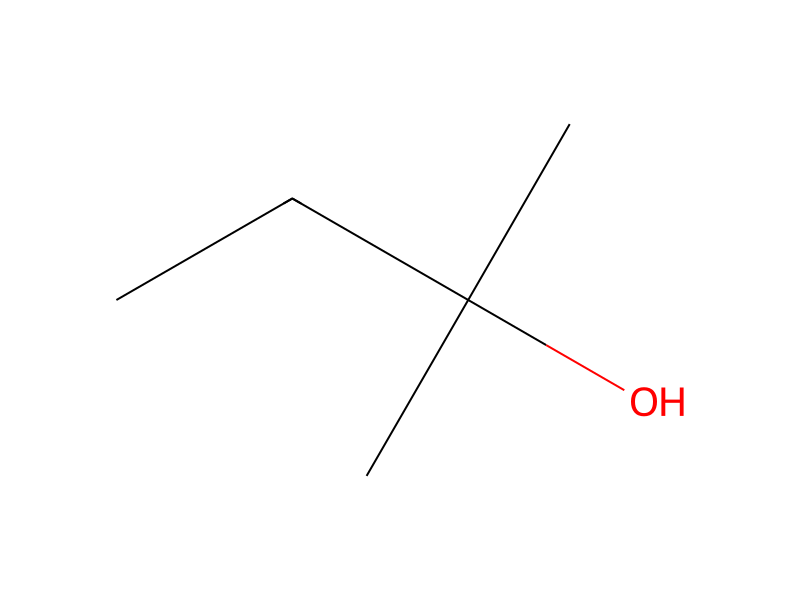
To a solution of 4-bromo-N-quinolin-8-yl-benzamide (3.2 g, 9.79 mmol) in tert-amyl alcohol (10 ml) are added pivalic acid (0.2 g, 1.96 mmol), potassium carbonate (3.37 g, 24.5 mmol) and ethyl iodide (6.36 ml, 78.3 mmol) in a sealed tube. After degassing with argon for 30 min palladium(II) acetate (0.11 g, 0.49 mmol) is added and the mixture is heated at 100° C. for 48 h. After completion of the reaction (monitored by TLC) the mixture is diluted with ethyl acetate (50 ml), washed with water (2×30 ml), and the organic layer is dried over sodium sulfate and concentrated in vacuo. The resulting crude product is purified by column chromatography (silica gel, 10% ethyl acetate/hexane) to yield 4-bromo-2,6-diethyl-N-quinolin-8-yl-benzamide (2.9 g, 7.57 mmol, 77%).